
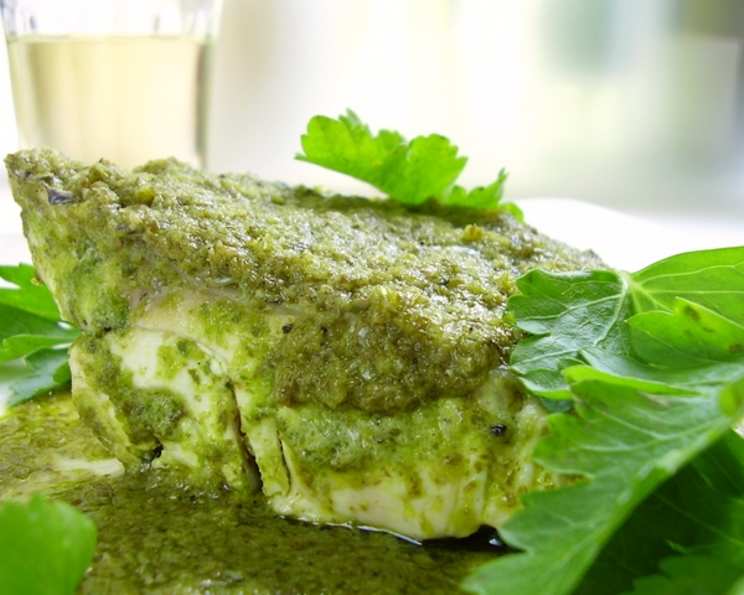
Pescado En Salsa Verde: A Taste of Cuban Sunshine
The aroma of garlic, parsley, and white wine instantly transports me back to a tiny, bustling kitchen in Little Havana. My abuela, her hands perpetually stained with turmeric and love, would hum a Celia Cruz tune as she prepared pescado en salsa verde. The vibrant green sauce, clinging to the flaky white fish, always promised a burst of fresh, bright flavors – a culinary sunshine that chased away any gloom. The simple joy of sharing that meal, dipped in stories and laughter, remains one of my dearest memories. This recipe is my attempt to capture a piece of that magic and share it with you.
Recipe Overview
Here’s a quick glance at what you can expect:
- Prep Time: 10 minutes
- Cook Time: 20 minutes
- Total Time: 30 minutes
- Servings: 6
- Dietary Type: Pescatarian
Ingredients
Here’s what you’ll need to whip up this delightful dish:
- 2 lbs red snapper fillets (about 6 – 8 fillets) – Any white-fleshed fish like flounder or grouper works well too.
- ⅔ cup olive oil – Extra virgin is preferred for its richer flavor.
- ¾ cup white wine – A dry white wine like Sauvignon Blanc or Pinot Grigio is ideal.
- 2 tablespoons white wine vinegar – Adds a touch of acidity to balance the sauce.
- 1 cup fresh parsley, roughly chopped – Flat-leaf parsley (Italian parsley) is recommended.
- 1 small onion, finely chopped – Yellow or white onion will do.
- 4 garlic cloves, coarsely chopped – Adjust to your personal taste, but don’t skimp!
- 1 teaspoon salt (sea or kosher) – Enhances the flavors of all the ingredients.
- ½ teaspoon pepper, freshly ground – Freshly ground pepper makes a noticeable difference.
Equipment Needed
You’ll need these basic kitchen tools:
- Blender
- Large skillet with lid
Instructions
Follow these simple steps to create pescado en salsa verde:
- Prepare the Fish: Begin by thoroughly blotting the red snapper fillets dry with paper towels. This is crucial for achieving a well-emulsified sauce that clings to the fish, instead of a watery one.
- Make the Salsa Verde: In a blender, combine the olive oil, white wine, white wine vinegar, fresh parsley, finely chopped onion, coarsely chopped garlic cloves, salt, and freshly ground pepper. Blend on high speed until the mixture is completely smooth and vibrant green. Taste and adjust seasonings as needed.
- Assemble the Dish: In a large skillet, carefully arrange the red snapper fillets snugly in a single layer. It’s important that the fish isn’t overcrowded, as this will prevent even cooking.
- Pour the Sauce: Pour the blended salsa verde evenly over the fish fillets. If your skillet isn’t large enough to accommodate all the fish in a single layer, arrange the fillets in two layers, pouring half of the sauce over the first layer and the remaining sauce over the top layer.
- Bring to a Boil: Bring the sauce to a boil over high heat. Watch carefully to prevent it from splattering or burning.
- Simmer Gently: Once the sauce reaches a boil, immediately reduce the heat to low. Partially cover the pan with a lid and gently simmer the fish for 15 to 20 minutes, or until the fish is cooked through and flakes easily when pierced with a fork.
- Check for Doneness: The cooking time will depend on the thickness of your fish fillets. Thinner fillets will cook more quickly, while thicker fillets may require a few extra minutes. Be sure to check for doneness frequently to avoid overcooking. The fish should be opaque and easily flake apart with a fork.
Expert Tips & Tricks
- Don’t overcrowd the pan: Ensure the fish cooks evenly by arranging it in a single layer. If necessary, cook in batches.
- Adjust the garlic: Feel free to adjust the amount of garlic according to your preference. Some people love a garlicky kick, while others prefer a milder flavor.
- Use fresh herbs: The key to a vibrant salsa verde is fresh parsley. Avoid using dried parsley, as it lacks the bright flavor of fresh herbs.
- Deglaze the pan: If you notice any browned bits stuck to the bottom of the pan after cooking the fish, deglaze the pan with a splash of extra white wine to loosen them and add extra flavor to the sauce.
- Add a touch of heat: For a spicy kick, add a pinch of red pepper flakes to the sauce while blending.
- Make ahead: The salsa verde can be made a day ahead and stored in the refrigerator. This will allow the flavors to meld and intensify.
Serving & Storage Suggestions
Serve the pescado en salsa verde immediately after cooking, while it’s still hot and flavorful. This dish is traditionally served with white rice, which is perfect for soaking up the delicious green sauce. A simple side salad with a light vinaigrette provides a refreshing contrast to the richness of the fish. Crusty bread is also a must for sopping up every last drop of the sauce.
Leftover pescado en salsa verde can be stored in an airtight container in the refrigerator for up to 2 days. To reheat, gently warm the fish in a skillet over low heat or in the microwave. Be careful not to overcook the fish, as it can become dry. Freezing is not recommended, as the texture of the fish may change upon thawing.
Nutritional Information
Here’s an estimate of the nutritional content per serving:
| Nutrient | Amount per Serving | % Daily Value |
|---|---|---|
| Calories | 442 kcal | N/A |
| Fat | 27g | 41% |
| Saturated Fat | 4g | 19% |
| Cholesterol | 71mg | 23% |
| Sodium | 482mg | 20% |
| Carbohydrates | 3g | 1% |
| Fiber | 1g | 2% |
| Sugars | 1g | N/A |
| Protein | 40g | 80% |
Note: Nutritional information is an estimate and may vary based on specific ingredients and portion sizes.
Variations & Substitutions
- Spicy Salsa Verde: Add a small, chopped red chili pepper to the blender for a spicy kick. Remember to handle chili peppers with care and wash your hands thoroughly afterward.
- Lemon-Lime Zest: For a brighter, more citrusy flavor, add the zest of one lemon or lime to the salsa verde.
- Herb Variations: Experiment with different herbs in the salsa verde. Try adding a handful of cilantro or mint for a unique twist.
- Different Fish: While red snapper is the classic choice, you can use any white-fleshed fish such as cod, halibut, or sea bass.
- Vegetarian Option: For a vegetarian alternative, substitute the fish with thick slices of halloumi cheese or firm tofu.
FAQs (Frequently Asked Questions)
Q: Can I use frozen fish fillets for this recipe?
A: Yes, you can use frozen fish fillets, but make sure to thaw them completely and pat them dry before cooking. This will help to remove excess moisture and prevent the sauce from becoming watery.
Q: Can I make the salsa verde ahead of time?
A: Absolutely! The salsa verde can be made up to 24 hours in advance and stored in the refrigerator. This will allow the flavors to meld together and intensify.
Q: How do I know when the fish is cooked through?
A: The fish is cooked through when it is opaque and flakes easily when pierced with a fork. Avoid overcooking the fish, as it can become dry and tough.
Q: Can I add vegetables to this dish?
A: Yes, you can add vegetables such as sliced bell peppers, zucchini, or mushrooms to the skillet along with the fish. Just be sure to adjust the cooking time accordingly.
Q: What wine should I serve with this dish?
A: A crisp, dry white wine such as Sauvignon Blanc or Pinot Grigio pairs perfectly with pescado en salsa verde. The wine’s acidity will complement the richness of the sauce and the delicate flavor of the fish.
Final Thoughts
I hope this recipe inspires you to bring a little bit of Cuban sunshine into your kitchen! Pescado en salsa verde is a simple yet incredibly flavorful dish that’s perfect for a weeknight meal or a special occasion. Don’t be afraid to experiment with the ingredients and make it your own. I’d love to hear your feedback and see your creations. And remember, good food is meant to be shared, so gather your loved ones, pour a glass of wine, and enjoy! ¡Buen provecho!