
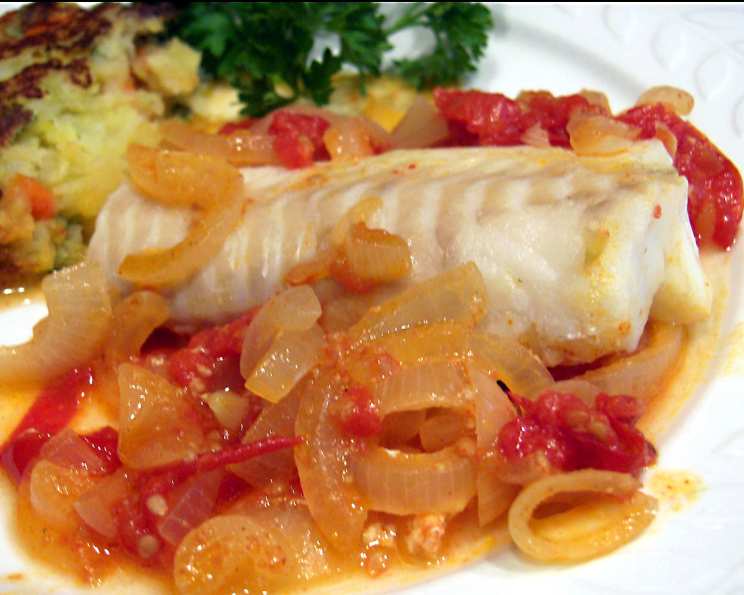
Pescado Sudado: A Taste of Peru in Your Kitchen
The memory of my first Pescado Sudado is as vivid as the colors of a Peruvian marketplace. It was a tiny, unassuming restaurant in Queens, the kind you could easily miss if you weren’t looking for it. Steam billowed from under the lid of a well-worn pot, releasing an intoxicating aroma of garlic, tomatoes, and the sea. The fish, so tender it practically melted on my tongue, was a revelation – a simple yet profound expression of Peruvian flavors that I knew I had to recreate. This dish has become a staple in my home, a comforting reminder of that culinary discovery.
Recipe Overview
- Prep Time: 15 minutes
- Cook Time: 10 minutes
- Total Time: 25 minutes
- Servings: 4
- Dietary Type: Dairy-Free
Ingredients
- 2 tablespoons corn oil
- 1 large onion, sliced (1 cup)
- 2 garlic cloves, chopped fine
- 2 medium tomatoes, sliced (1 cup)
- ¼ teaspoon paprika
- 1 teaspoon salt (to taste)
- 1 ½ lbs red snapper fillets or 1 ½ lbs other white fish fillets (cod, halibut, or sea bass work well)
- ½ cup dry white wine (such as Sauvignon Blanc or Pinot Grigio)
- 10 sprigs fresh parsley, leaves only, chopped
- Lemon slices, for serving (optional)
- Cooked potatoes, yuca, or white rice, for serving
Equipment Needed
- Large skillet with a lid
- Cutting board
- Sharp knife
Instructions
-
Heat the corn oil in a large skillet over low heat. Using low heat at this stage prevents the garlic from burning and allows the flavors to meld gently.
-
Add the sliced onion, chopped garlic, sliced tomatoes, paprika, and salt to the skillet. Stir-fry the mixture for 2 to 4 minutes, allowing the onions to soften and the tomatoes to release their juices. This aromatic base is crucial for the overall flavor of the dish.
-
Completely cover the vegetable mixture with the fish fillets. Arrange them in a single layer for even cooking.
-
Pour the dry white wine over the fish fillets. The wine will steam the fish and add a layer of complexity to the sauce.
-
Cover the skillet with a lid, ensuring a tight seal to trap the steam. Cook for 5 minutes over low heat, or just until the fish is cooked through. The fish should be opaque and flake easily with a fork. Avoid overcooking, as this will result in dry, rubbery fish. The exact cooking time will depend on the thickness of your fillets.
-
Remove from heat and garnish with the chopped fresh parsley. The parsley adds a fresh, vibrant touch to the dish.
-
Serve immediately with lemon slices (optional), alongside sliced boiled potatoes, sliced boiled yuca, or hot white rice. These sides complement the delicate flavors of the fish.
Expert Tips & Tricks
-
Fish Selection: While red snapper is traditional, don’t hesitate to experiment with other white fish fillets. Cod, halibut, or sea bass are excellent alternatives. Ensure your fish is fresh and of high quality.
-
Wine Choice: A crisp, dry white wine such as Sauvignon Blanc or Pinot Grigio works best. Avoid wines that are too oaky or sweet, as they will overpower the delicate flavors of the fish. If you prefer not to use wine, you can substitute it with fish broth or chicken broth for a similar moistness and umami flavor.
-
Spice Level: Feel free to adjust the amount of paprika and salt to your liking. You can also add a pinch of cayenne pepper or a finely chopped chili pepper for a touch of heat.
-
Don’t Overcrowd the Pan: Make sure the fish fillets are arranged in a single layer in the skillet. Overcrowding the pan will lower the temperature and result in unevenly cooked fish. If necessary, cook the fish in batches.
-
Gentle Cooking: It’s very important to cook over low heat to gently steam the fish and vegetables. This helps to develop deeper flavors and prevent the fish from becoming tough.
-
Make Ahead (Partial): You can prepare the base of the sauce (onions, garlic, tomatoes, spices) up to a day in advance. Store it in an airtight container in the refrigerator. When ready to cook, simply add the fish and wine and proceed with the recipe.
Serving & Storage Suggestions
Serve Pescado Sudado immediately while it’s hot and the fish is at its peak tenderness. Arrange the fish fillets attractively on a platter, spoon the flavorful sauce over them, and garnish generously with fresh parsley. Serve with your choice of sides, such as boiled potatoes, yuca, or white rice. A squeeze of fresh lemon juice adds a bright, citrusy finish.
Leftovers can be stored in an airtight container in the refrigerator for up to 2 days. To reheat, gently warm the fish in a skillet over low heat, adding a splash of water or wine to prevent it from drying out. You can also reheat it in the microwave, but be careful not to overcook the fish. Freezing is not recommended, as it can alter the texture of the fish.
Nutritional Information
| Nutrient | Amount per Serving | % Daily Value |
|---|---|---|
| Calories | 193 kcal | N/A |
| Calories from Fat | 51 kcal | N/A |
| Total Fat | 5.7 g | 8% |
| Saturated Fat | 1.1 g | 5% |
| Cholesterol | 76.7 mg | 25% |
| Sodium | 1093.5 mg | 45% |
| Total Carbohydrate | 7.4 g | 2% |
| Dietary Fiber | 1.5 g | 6% |
| Sugars | 3.5 g | N/A |
| Protein | 22.3 g | 44% |
Note: Nutritional information is an estimate and may vary based on specific ingredients and preparation methods.
Variations & Substitutions
-
Spicy Pescado Sudado: Add a finely chopped habanero or jalapeño pepper to the vegetable mixture for a fiery kick.
-
Coconut Milk Version: Replace the white wine with coconut milk for a richer, creamier sauce with a hint of tropical flavor.
-
Vegetable Medley: Add other vegetables to the skillet, such as bell peppers, zucchini, or carrots.
-
Herbs: Experiment with different herbs, such as cilantro, oregano, or thyme, to add your own unique twist to the dish.
-
Seafood Mix: Combine different types of seafood, such as shrimp, mussels, or scallops, with the fish fillets for a more complex flavor profile.
FAQs (Frequently Asked Questions)
Q: Can I use frozen fish fillets for this recipe?
A: Yes, you can use frozen fish fillets, but make sure to thaw them completely before cooking. Pat them dry with paper towels to remove any excess moisture.
Q: How do I know when the fish is cooked through?
A: The fish is cooked through when it is opaque and flakes easily with a fork. The internal temperature should reach 145°F (63°C).
Q: Can I make this recipe without wine?
A: Yes, you can substitute the wine with fish broth or chicken broth for a similar flavor and moisture.
Q: What is yuca?
A: Yuca, also known as cassava, is a starchy root vegetable that is commonly used in Latin American cuisine. It has a slightly sweet and nutty flavor.
Q: Can I add potatoes directly to the skillet with the fish?
A: While possible, adding raw potatoes to the skillet will greatly increase the cooking time, and the fish will likely be overcooked before the potatoes are tender. It is best to serve Pescado Sudado with already-cooked potatoes, yuca, or rice.
Final Thoughts
Pescado Sudado is more than just a recipe; it’s a journey to the heart of Peruvian cuisine. It’s a testament to the power of simple ingredients transformed into something truly special. I encourage you to try this recipe and experience the magic of Pescado Sudado for yourself. Don’t be afraid to experiment with different variations and make it your own. And please, share your creations and feedback – I’d love to hear about your culinary adventures! Consider pairing this delightful dish with a refreshing Pisco Sour or a crisp Peruvian beer for the ultimate dining experience.