
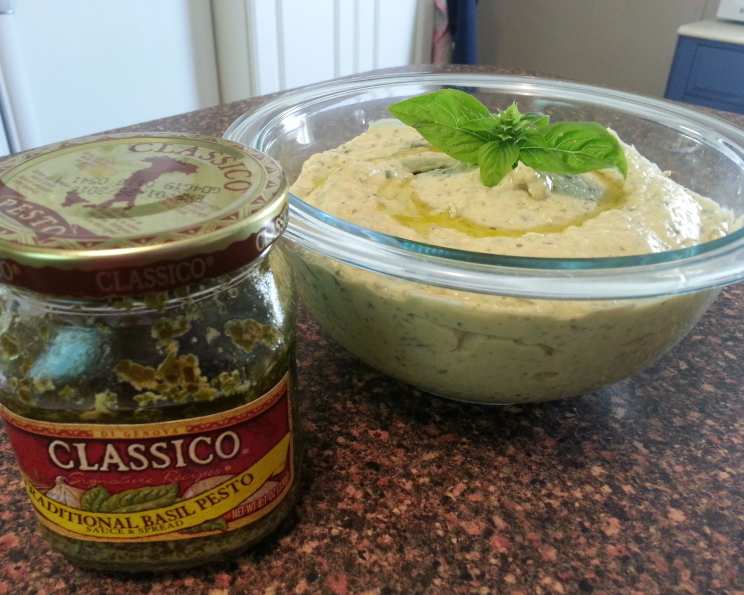
Pesto and Fresh Basil Hummus: A Symphony of Flavors
I remember the first time I tasted hummus that truly surprised me. It wasn’t in some fancy Middle Eastern restaurant, but at a potluck hosted by a friend who, despite her self-deprecating claims, was a fantastic home cook. She had whipped up a vibrant green hummus that sang with the flavors of basil and garlic, a far cry from the often-bland versions I’d encountered before. That unexpected burst of freshness ignited my passion for experimenting with hummus variations, and this recipe for Pesto and Fresh Basil Hummus is a direct descendant of that initial, delightful surprise.
Recipe Overview
- Prep Time: 10 minutes
- Cook Time: 0 minutes
- Total Time: 10 minutes
- Servings: 8
- Dietary Type: Vegetarian, Vegan, Gluten-Free (check pesto ingredients)
Ingredients
- 2 cups chickpeas, drained, liquid reserved
- 2 teaspoons minced garlic
- 2 teaspoons tahini paste
- 2 teaspoons lemon juice
- 1 teaspoon salt
- ½ teaspoon black pepper
- 3 tablespoons pesto sauce
- 20 large fresh basil leaves, roughly chopped (adjust to taste)
- 2-3 tablespoons extra virgin olive oil
- Liquid from chickpeas
Equipment Needed
- Food Processor
- Measuring cups and spoons
- Rubber spatula
- Airtight container for storage
Instructions
-
Begin by gathering all your ingredients. This ensures a smooth and efficient process. Drain the chickpeas, reserving the liquid. This liquid is a fantastic emulsifier and can help achieve the perfect hummus consistency.
-
In the bowl of a food processor, combine the drained chickpeas, minced garlic, tahini paste, lemon juice, salt, and black pepper.
-
Process the mixture for about 2 to 3 minutes, until a smooth paste forms. During this time, stop the food processor occasionally and use a rubber spatula to scrape down the sides of the bowl. This ensures that all the ingredients are evenly incorporated.
-
While the food processor is running, slowly drizzle in the extra virgin olive oil and the reserved liquid from the chickpeas. Add these liquids gradually until you reach your desired consistency. Some people prefer a thicker hummus, while others like it creamier. Adjust the amount of liquid accordingly.
-
Once the base of the hummus is smooth and creamy, add the pesto sauce. Process until the pesto is evenly distributed throughout the hummus, about 30 seconds to 1 minute.
-
Next, add the roughly chopped fresh basil leaves. Process for an additional 2 minutes, or until the basil is well incorporated. Again, scrape down the sides of the bowl as needed to ensure even blending. You may need to add a little more of the reserved chickpea liquid at this stage to maintain a smooth consistency, depending on how much moisture is in your basil.
-
Taste and adjust the seasoning as needed. You may want to add more salt, pepper, lemon juice, or garlic to suit your personal preferences.
-
Transfer the finished hummus to an airtight container and store in the refrigerator. The flavors will continue to meld and deepen as the hummus sits, often improving after a day or two.
Expert Tips & Tricks
- Chickpea Quality: The quality of your chickpeas matters. If using canned chickpeas, look for organic varieties or brands that don’t add unnecessary salt or preservatives. Rinsing the chickpeas thoroughly before using them can also help to reduce the sodium content.
- Tahini Consistency: Tahini can separate in the jar, so make sure to stir it well before measuring. A good quality tahini will be smooth and creamy, not dry or gritty.
- Garlic Intensity: If you prefer a milder garlic flavor, you can use roasted garlic instead of raw garlic. Roasting the garlic mellows its flavor and adds a subtle sweetness.
- Basil Flavor: Don’t be afraid to adjust the amount of fresh basil to your liking. If you’re a basil lover, feel free to add even more!
- Make Ahead: This hummus can be made up to 3 days in advance. The flavors actually improve over time.
- Creamier Hummus: For an extra-creamy hummus, peel the skins off the chickpeas before blending. This is a bit time-consuming, but it makes a noticeable difference in the final texture.
Serving & Storage Suggestions
Serve this Pesto and Fresh Basil Hummus with warm pita bread, fresh vegetables (such as carrots, celery, cucumbers, and bell peppers), or crackers. It also makes a delicious spread for sandwiches and wraps. Garnish with a drizzle of extra virgin olive oil, a sprinkle of fresh basil, and a few toasted pine nuts for an elegant presentation.
Store any leftover hummus in an airtight container in the refrigerator for up to 5 days. While technically safe to eat beyond that time if properly stored, the flavor and texture may start to decline. It’s not recommended to freeze this hummus, as the texture can become grainy upon thawing.
Nutritional Information
| Nutrient | Amount per Serving | % Daily Value |
|---|---|---|
| Calories | 110.6 kcal | N/A |
| Calories from Fat | 42 g | 39% |
| Total Fat | 4.8 g | 7% |
| Saturated Fat | 0.6 g | 3% |
| Cholesterol | 0 mg | 0% |
| Sodium | 471.8 mg | 19% |
| Total Carbohydrate | 14.3 g | 4% |
| Dietary Fiber | 2.8 g | 11% |
| Sugars | 0.1 g | 0% |
| Protein | 3.3 g | 6% |
Note: Nutritional information is an estimate and may vary based on specific ingredients used.
Variations & Substitutions
- Sun-Dried Tomato Pesto: Substitute the traditional pesto with sun-dried tomato pesto for a different flavor profile.
- Roasted Red Pepper Hummus: Add roasted red peppers to the food processor along with the other ingredients for a sweet and smoky twist.
- Spicy Hummus: Add a pinch of red pepper flakes or a dash of hot sauce for a spicy kick.
- Gluten-Free: While the hummus itself is naturally gluten-free, be sure to check the label of your pesto to ensure it doesn’t contain any gluten-containing ingredients. Serve with gluten-free pita bread or vegetables.
- Herby Hummus: In addition to basil, add other fresh herbs like parsley, cilantro, or dill for a more complex flavor.
FAQs (Frequently Asked Questions)
Q: Can I use dried chickpeas instead of canned?
A: Absolutely! If using dried chickpeas, soak them overnight and then cook them until they are very tender before using them in the recipe. You’ll need about 1 cup of dried chickpeas to yield 2 cups of cooked chickpeas.
Q: My hummus is too thick. How can I thin it out?
A: Add more of the reserved chickpea liquid or extra virgin olive oil, one tablespoon at a time, until you reach your desired consistency.
Q: Can I make this without a food processor?
A: While a food processor is the easiest way to make hummus, you can also use a high-powered blender. You may need to scrape down the sides more frequently to ensure even blending.
Q: How long does this hummus last in the refrigerator?
A: This hummus will last for up to 5 days in the refrigerator when stored in an airtight container.
Q: My pesto is homemade and very oily. Should I adjust the olive oil in the recipe?
A: Yes, if your pesto is particularly oily, you may want to reduce the amount of extra virgin olive oil you add to the hummus. Start with less and add more as needed to achieve the desired consistency.
Final Thoughts
This Pesto and Fresh Basil Hummus is a vibrant and flavorful twist on a classic dip. The bright, herbaceous notes of basil complement the creamy chickpeas beautifully, creating a snack or appetizer that’s both healthy and satisfying. I encourage you to give this recipe a try and let your creativity shine by experimenting with different variations and flavor combinations. Don’t be afraid to adjust the ingredients to suit your personal taste and preferences. Happy cooking!