
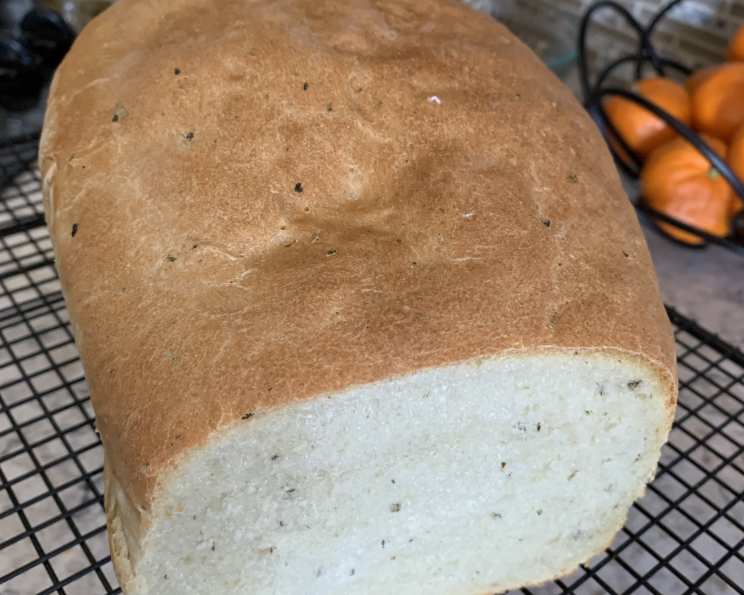
Pesto Perfection: A Bread Machine Masterpiece
I still remember the first time I smelled pesto bread baking. My grandmother, a woman who could coax flavor out of anything, had decided to experiment with her bread machine. The aroma, a heady mix of basil, garlic, and warm, yeasty dough, filled her tiny kitchen and drew me in like a cartoon character following a floating pie. The resulting loaf, vibrant green and impossibly soft, was a revelation. It was more than just bread; it was a sensory experience, a taste of sunshine captured in a slice. This recipe brings back that memory, transforming an ordinary loaf into something truly special.
Recipe Overview
- Prep Time: 10 minutes
- Cook Time: 2 hours
- Total Time: 2 hours 10 minutes
- Servings: 8
- Yield: 1 loaf
- Dietary Type: Vegetarian
Ingredients
- 2 1⁄4 teaspoons bread machine yeast
- 3 cups bread flour
- 1 teaspoon salt
- 1 1⁄2 teaspoons sugar
- 1 cup water
- 1⁄4 cup pesto sauce
- 1 teaspoon lemon juice
Equipment Needed
- Bread Machine
Instructions
- Add the bread machine yeast to the bread machine pan.
- Add the bread flour to the pan, covering the yeast.
- Add the salt to one corner of the pan.
- Add the sugar to another corner of the pan, keeping it separate from the salt.
- Pour the water over the flour.
- Add the pesto sauce to the pan.
- Add the lemon juice to the pan.
- Select the basic or white cycle for a 1 1/2 lb loaf on your bread machine.
- Enter the ingredients according to the specifications of your bread machine manufacturer. Most bread machines recommend adding wet ingredients first, followed by dry ingredients, and finally the yeast.
- Allow the bread machine to complete its cycle. This will typically include kneading, rising, and baking. The total time will be approximately 2 hours, but this can vary depending on your machine.
- Once the bread is done, carefully remove the bread pan from the machine using oven mitts. The pan will be very hot.
- Turn the pan upside down and gently shake or tap it to release the bread. If the bread is stuck, you can use a non-stick spatula to loosen the sides.
- Place the bread on a wire rack to cool completely before slicing. This will prevent it from becoming soggy.
Expert Tips & Tricks
- Pesto Power: The quality of your pesto will directly impact the flavor of the bread. Homemade pesto is always best, but high-quality store-bought pesto can also work well. Look for pesto made with fresh basil, good quality olive oil, and real Parmesan cheese (if not vegan).
- Flour Finesse: Using bread flour is crucial for this recipe because it has a higher gluten content than all-purpose flour. This extra gluten helps create a strong, elastic dough that will rise properly and give the bread a chewy texture. If you absolutely have to substitute, use all-purpose flour but add 1 teaspoon of vital wheat gluten to the dry ingredients.
- Liquid Gold: Make sure the water you use is lukewarm (around 105-115°F or 40-46°C). This temperature is ideal for activating the yeast. Water that’s too hot will kill the yeast, and water that’s too cold won’t activate it properly.
- Sticky Situation: If your dough looks too wet and sticky during the kneading process, you can add a tablespoon of flour at a time until it reaches the desired consistency. Conversely, if it looks too dry, add a tablespoon of water at a time.
- Lemon Zest Boost: For an extra burst of citrus flavor, add the zest of half a lemon along with the lemon juice. This will complement the basil in the pesto beautifully.
- Machine Matters: Every bread machine is different, so it’s important to read your machine’s manual and follow its instructions for the order of ingredients and cycle settings.
Serving & Storage Suggestions
This pesto bread is delicious served warm or at room temperature. It’s fantastic on its own, but it also pairs well with a variety of dishes.
- Serving Suggestions:
- Serve slices toasted with a drizzle of olive oil and a sprinkle of Parmesan cheese.
- Use it to make gourmet grilled cheese sandwiches with mozzarella and roasted tomatoes.
- Serve it alongside a hearty bowl of minestrone soup or a fresh Caprese salad.
- Slice it into croutons for salads or soups.
- Make bruschetta by topping slices with chopped tomatoes, basil, and balsamic glaze.
- Storage:
- Room Temperature: Store the bread in an airtight container at room temperature for up to 2 days.
- Refrigerator: For longer storage, wrap the bread tightly in plastic wrap or foil and store it in the refrigerator for up to 5 days.
- Freezer: To freeze the bread, slice it first, wrap the slices individually in plastic wrap, and then place them in a freezer bag. It can be stored in the freezer for up to 2 months.
- Reheating:
- Oven: To reheat the whole loaf, wrap it in foil and bake at 350°F (175°C) for 10-15 minutes, or until warmed through.
- Toaster: Reheat individual slices in a toaster until golden brown and crispy.
- Microwave: Reheat slices in the microwave for 10-20 seconds, but be careful not to overheat, or they will become tough.
Nutritional Information
Note: Nutritional information is an estimate and can vary based on specific ingredients used.
| Nutrient | Amount per Serving | % Daily Value |
|---|---|---|
| Calories | 177 kcal | 9% |
| Total Fat | 4 g | 5% |
| Saturated Fat | 1 g | 5% |
| Cholesterol | 0 mg | 0% |
| Sodium | 293 mg | 12% |
| Total Carbohydrate | 37 g | 12% |
| Dietary Fiber | 2 g | 8% |
| Sugars | 1 g | 2% |
| Protein | 5 g | 10% |
Variations & Substitutions
- Vegan Pesto Bread: Use vegan pesto, which is typically made with nutritional yeast instead of Parmesan cheese.
- Gluten-Free Pesto Bread: Substitute the bread flour with a gluten-free bread flour blend. You may need to adjust the amount of water to achieve the right dough consistency. Consider adding xanthan gum for improved texture.
- Sun-Dried Tomato Pesto Bread: Replace half of the pesto with sun-dried tomato pesto for a richer, sweeter flavor.
- Olive and Herb Pesto Bread: Add 1/2 cup of chopped Kalamata olives and 1 tablespoon of dried Italian herbs to the dough for a more complex flavor profile.
- Spicy Pesto Bread: Add a pinch of red pepper flakes to the dough for a subtle kick.
- Cheesy Pesto Bread: Add 1/2 cup of shredded Parmesan or Asiago cheese to the dough.
FAQs (Frequently Asked Questions)
Q: Can I use a different type of flour?
A: While bread flour is recommended for its high gluten content, you can use all-purpose flour. However, the texture of the bread may be slightly different – it might be less chewy and have a less defined crumb.
Q: My bread is too dense. What could be the reason?
A: Several factors can contribute to dense bread, including using old or inactive yeast, not measuring the ingredients accurately, or adding too much flour. Make sure your yeast is fresh, measure carefully, and avoid adding too much flour.
Q: Can I make this bread without a bread machine?
A: Yes, but you’ll need to knead the dough by hand or with a stand mixer for about 8-10 minutes until it’s smooth and elastic. Then, let it rise in a warm place for about an hour, or until doubled in size. Punch down the dough, shape it into a loaf, and bake it at 375°F (190°C) for 30-35 minutes.
Q: Can I add other ingredients to the bread?
A: Absolutely! Feel free to add chopped olives, sun-dried tomatoes, or cheese to customize the flavor.
Q: How do I know when the bread is done?
A: The bread is done when it sounds hollow when you tap on the bottom. The crust should also be golden brown.
Final Thoughts
This pesto bread machine bread is a testament to the fact that simple ingredients, when combined thoughtfully, can create something extraordinary. The ease of using a bread machine makes this recipe accessible to everyone, regardless of their baking experience. Don’t be afraid to experiment with different types of pesto or add-ins to create your own signature loaf. Bake this bread, share it with loved ones, and savor the delicious aroma and vibrant flavors. It’s more than just bread; it’s a taste of happiness. I encourage you to try this recipe and welcome any feedback or creative twists you might come up with. Pair it with a glass of crisp white wine for the perfect complement to its savory notes.