
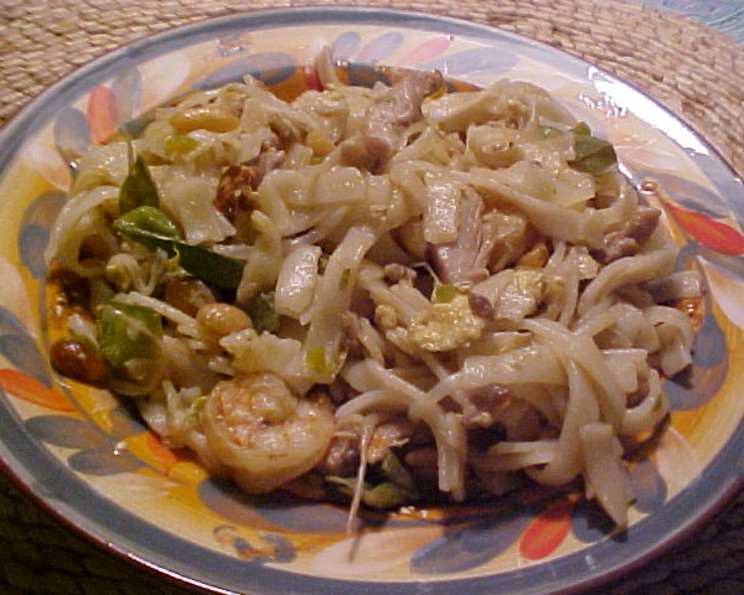
Phad Thai: A Simple Taste of Thailand
The memory still makes my mouth water: a bustling Bangkok street corner, the air thick with humidity and the tantalizing aromas of street food. Amidst the cacophony of tuk-tuks and chattering vendors, a humble food stall blazed with the fiery dance of a wok. A wizened cook, with decades etched on his face, effortlessly tossed noodles, chicken, and a medley of vibrant ingredients, creating a Phad Thai that transcended simplicity. That single bite, bursting with sweet, sour, and savory notes, ignited my lifelong love affair with Thai cuisine and the magic of Phad Thai. This recipe, while streamlined, captures the essence of that unforgettable experience.
Recipe Overview
- Prep Time: 15 minutes
- Cook Time: 15 minutes
- Total Time: 30 minutes
- Servings: 4
- Dietary Type: Dairy-Free
Ingredients
- 250 g rice noodles
- 450 g chicken thigh fillets, sliced thinly
- 1 garlic clove, crushed
- 1 teaspoon fresh ginger, grated
- 2 red Thai chiles, sliced thinly
- 2 tablespoons palm sugar, chopped
- 2 tablespoons soy sauce
- ¼ cup sweet chili sauce
- 1 tablespoon fish sauce
- 1 tablespoon lime juice
- 3 green onions, sliced thinly
- 1 cup bean sprouts
- 1 cup snow pea sprouts
- ¼ cup coriander leaves, loosely packed
Equipment Needed
- Large heatproof bowl
- Wok or large non-stick frying pan
Instructions
-
Begin by preparing the rice noodles. Place them in a large heatproof bowl. Pour boiling water over the noodles until they are completely submerged. Let them stand until they are just tender. This usually takes about 5-7 minutes, but check frequently to avoid overcooking. Once tender, immediately drain the noodles well and set aside.
-
Next, prepare the chicken. Heat your wok or large non-stick frying pan over medium-high heat. It’s important to get the pan hot before adding the chicken to ensure proper browning.
-
Stir-fry the chicken, garlic, ginger, and chili in batches. Working in batches prevents overcrowding the pan, which would steam the chicken instead of browning it. Cook until the chicken is browned and cooked through, approximately 3-5 minutes per batch. Remove each batch from the wok and set aside.
-
Return all of the cooked chicken to the wok. Add the chopped palm sugar, soy sauce, sweet chili sauce, and fish sauce. Stir-fry the mixture until the sauce thickens slightly, about 2-3 minutes. The palm sugar should dissolve and the sauces will meld together to create a rich, flavorful base for the Phad Thai.
-
Add the drained rice noodles, sliced green onions, and bean sprouts to the wok. Stir-fry all the ingredients together until everything is hot and well combined. This usually takes about 2-3 minutes. Ensure the noodles are coated evenly with the sauce.
-
Finally, stir in the lime juice. This adds a crucial element of acidity that balances the sweetness and savoriness of the dish.
-
Serve the Phad Thai immediately, garnished with a generous sprinkling of fresh coriander leaves and snow pea sprouts.
Expert Tips & Tricks
- Noodle Perfection: Overcooked noodles are the enemy of great Phad Thai. The key is to check them frequently while they are soaking. They should be pliable but still have a slight bite.
- Wok Hei (Breath of the Wok): Authentic Phad Thai gets its characteristic smoky flavor from “wok hei,” which refers to the intense heat and rapid cooking in a wok. To achieve this at home, make sure your wok or pan is screaming hot before adding the chicken.
- Palm Sugar Power: Palm sugar adds a unique caramel-like sweetness to Phad Thai. If you can’t find it, substitute with brown sugar, but use a little less as it is more intensely sweet.
- Spice Level: Adjust the amount of chili to your liking. If you prefer a milder dish, remove the seeds from the chilies before slicing, or omit them altogether.
Serving & Storage Suggestions
Serve your Phad Thai immediately after cooking for the best flavor and texture. The noodles tend to absorb the sauce and become sticky if left to sit for too long.
Leftovers can be stored in an airtight container in the refrigerator for up to 2 days. Reheat gently in a wok or frying pan over medium heat, adding a splash of water or chicken broth if needed to prevent the noodles from drying out. The flavors may intensify upon reheating. Freezing is not recommended as the noodles tend to become mushy.
Nutritional Information
| Nutrient | Amount per Serving | % Daily Value |
|---|---|---|
| Calories | 424 kcal | – |
| Calories from Fat | – | – |
| Total Fat | 5.4 g | 8% |
| Saturated Fat | 1.5 g | 7% |
| Cholesterol | 94.5 mg | 31% |
| Sodium | 1164.4 mg | 48% |
| Total Carbohydrate | 64.4 g | 21% |
| Dietary Fiber | 2.3 g | 9% |
| Sugars | 8.3 g | 33% |
| Protein | 27.2 g | 54% |
Note: Nutritional information is an estimate and may vary depending on specific ingredients used.
Variations & Substitutions
- Vegetarian Phad Thai: Replace the chicken with extra-firm tofu, cut into cubes and fried until golden brown.
- Shrimp Phad Thai: Substitute the chicken with peeled and deveined shrimp. Add the shrimp to the wok after the garlic, ginger, and chili, and cook until pink and opaque.
- Gluten-Free Phad Thai: Ensure the soy sauce and fish sauce are gluten-free. Tamari is a good substitute for soy sauce.
- Nutty Delight: Add a sprinkle of crushed peanuts for extra texture and flavor.
- Sprout Power: Experiment with different types of sprouts, such as mung bean sprouts or radish sprouts, for added crunch and nutrients.
FAQs (Frequently Asked Questions)
Q: Can I prepare the ingredients in advance?
A: Yes, you can slice the chicken, chop the vegetables, and prepare the sauce mixture ahead of time. Store everything separately in the refrigerator until ready to cook.
Q: What if I don’t have palm sugar?
A: Brown sugar is a good substitute for palm sugar. Start with a smaller amount as brown sugar is often sweeter than palm sugar.
Q: How do I prevent the noodles from sticking together?
A: Don’t overcook the noodles, and toss them with a little oil after draining to prevent them from clumping.
Q: Can I use different types of noodles?
A: While rice noodles are traditional, you can experiment with other types of noodles, such as flat rice noodles or even spaghetti, but the texture and flavor will be different.
Q: What can I add to make it spicier?
A: In addition to the sliced red chilies, you can add a dash of chili oil or a pinch of dried chili flakes to the wok.
Final Thoughts
This simple Phad Thai recipe is your passport to the vibrant flavors of Thailand, without the need for a plane ticket. It’s a quick and easy meal that’s perfect for weeknights, yet impressive enough to serve to guests. Don’t be afraid to experiment with variations and substitutions to create your own signature Phad Thai masterpiece. I encourage you to gather your ingredients, fire up your wok, and embark on a culinary adventure that will tantalize your taste buds and leave you craving more. Pair this dish with a refreshing Thai iced tea for a truly authentic experience. Enjoy, and please share your feedback and creations!