
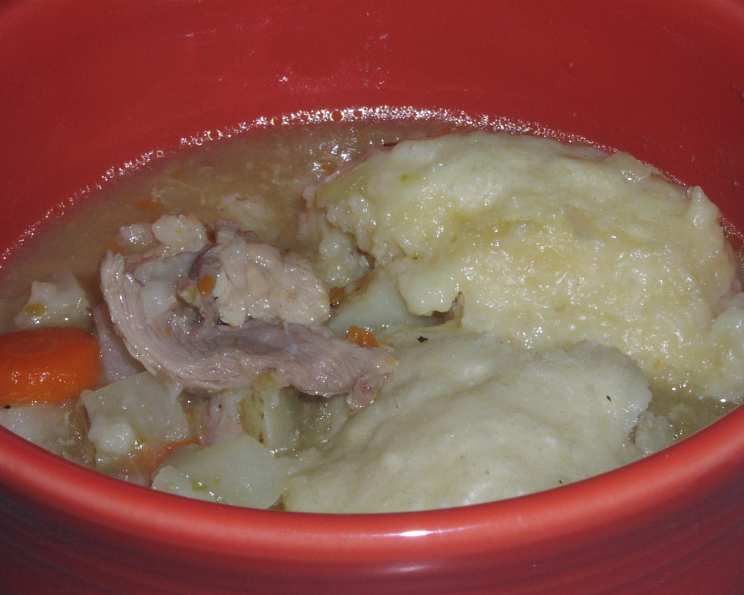
Pheasant Mulligan With Dumplings: A Taste of Autumn’s Bounty
The aroma still lingers in my mind – woodsmoke, damp earth, and the rich, savory scent of simmering pheasant. It takes me back to my grandfather’s cabin nestled deep in the Ozark hills. Every autumn, after a long day hunting, he’d come in, his face ruddy with the cold, and start preparing his famous Pheasant Mulligan. The whole family would gather around the crackling fireplace, anticipating the hearty stew and those impossibly light dumplings, each bite a warm embrace against the crisp air. This recipe is my attempt to recapture those cherished memories.
Recipe Overview
- Prep Time: 20 minutes
- Cook Time: 1 hour
- Total Time: 1 hour 20 minutes
- Servings: 6-8
- Yield: One large pot of stew
- Dietary Type: Not specified (contains meat, dairy, and gluten)
Ingredients
- 2 pheasants
- 2 cups carrots, peeled and diced
- 2 cups onions, peeled and diced
- 1 cup cabbage, finely shredded
- 2 cups potatoes, diced
- 2 tablespoons butter
- Salt and pepper, to taste
For the Dumplings:
- 2 cups flour
- 3 teaspoons baking powder
- 1/2 teaspoon salt
- 1 egg
- 3/4 cup milk
Equipment Needed
- Large Stockpot
- Measuring cups and spoons
- Cutting board
- Knife
- Mixing bowl
- Spoon
Instructions
-
Begin by cleaning the pheasants. Remove any remaining feathers or internal organs. Cut the pheasants into serving portions (legs, breasts, thighs, wings).
-
Place the cut pheasant pieces in a large stockpot and cover them completely with water. Bring the water to a boil over high heat. Once boiling, reduce the heat to low, creating a gentle simmer.
-
Add the 2 cups of diced carrots, 2 cups of diced onions, and 1 cup of finely shredded cabbage to the stockpot.
-
Cook the pheasant and vegetables slowly over low heat until the pheasant is nearly tender. This typically takes about 30-40 minutes. Check the tenderness of the pheasant by piercing it with a fork; it should offer only slight resistance.
-
Add the 2 cups of diced potatoes and 2 tablespoons of butter to the stockpot.
-
Season the stew generously with salt and pepper to taste. Remember that flavors will meld and deepen as the stew simmers.
-
Continue to cook the stew until both the pheasant and the vegetables (especially the potatoes) are tender. This will usually take another 15-20 minutes. The potatoes should be easily pierced with a fork.
-
While the stew is simmering, prepare the dumplings. In a mixing bowl, sift together the 2 cups of flour, 3 teaspoons of baking powder, and 1/2 teaspoon of salt. Sifting ensures that the baking powder is evenly distributed, resulting in light and fluffy dumplings.
-
In a separate small bowl, beat the egg lightly. Add the 3/4 cup of milk to the beaten egg and whisk to combine.
-
Pour the egg and milk mixture into the bowl with the dry ingredients (flour, baking powder, and salt). Stir gently with a spoon until just combined. Be careful not to overmix, as this can result in tough dumplings. The batter should be slightly lumpy.
-
Once the stew is ready and simmering, carefully drop spoonfuls of the dumpling batter directly into the hot stew. Space the dumplings evenly around the surface of the stew.
-
Cover the stockpot tightly with a lid. It’s crucial to maintain a tight seal to allow the dumplings to steam properly.
-
Cook the dumplings for 15 minutes without lifting the lid. Peeking will release the steam and prevent the dumplings from cooking through. Resist the urge!
-
After 15 minutes, carefully remove the lid. The dumplings should be puffed up and golden brown. To check for doneness, insert a toothpick into a dumpling. If it comes out clean, the dumplings are cooked through. If not, cook for another 2-3 minutes with the lid on, then check again.
-
Serve the Pheasant Mulligan hot, with the dumplings nestled amongst the pheasant and vegetables.
Expert Tips & Tricks
- Browning the Pheasant (Optional): For a deeper flavor, consider browning the pheasant pieces in a little oil or butter before adding them to the stockpot. This step adds richness but is not essential.
- Vegetable Variations: Feel free to add other root vegetables, such as parsnips or turnips, for added flavor and complexity.
- Herb Infusion: A bay leaf or a sprig of thyme added to the stew while simmering can enhance the aroma and flavor. Remember to remove the bay leaf before serving.
- Dumpling Texture: For lighter dumplings, use cake flour instead of all-purpose flour.
- Make-Ahead Tip: The stew itself can be made a day ahead and refrigerated. Prepare the dumpling batter just before cooking to ensure the baking powder remains active.
- Thickening the Stew: If you prefer a thicker stew, you can mix a tablespoon of cornstarch with a little cold water to create a slurry and stir it into the stew during the last few minutes of cooking.
Serving & Storage Suggestions
Serve the Pheasant Mulligan immediately after the dumplings are cooked. Ladle the stew into bowls, ensuring each serving includes a generous portion of pheasant, vegetables, and dumplings. A sprinkle of fresh parsley adds a touch of color and freshness.
Leftovers can be stored in an airtight container in the refrigerator for up to 3 days. Reheat gently on the stovetop or in the microwave. The dumplings may lose some of their original texture upon reheating, but they will still be delicious. Freezing is not recommended as the dumplings will become soggy.
Nutritional Information
| Nutrient | Amount per Serving | % Daily Value |
|---|---|---|
| Calories | 450 kcal | 23% |
| Total Fat | 18g | 28% |
| Saturated Fat | 9g | 45% |
| Cholesterol | 150mg | 50% |
| Sodium | 500mg | 21% |
| Carbohydrates | 45g | 15% |
| Fiber | 4g | 16% |
| Sugar | 5g | 10% |
| Protein | 35g | 70% |
Note: Nutritional information is an estimate and may vary based on specific ingredients and portion sizes.
Variations & Substitutions
- Chicken Mulligan: If pheasant is unavailable, you can substitute with chicken. Use bone-in, skin-on chicken pieces for the best flavor.
- Gluten-Free Dumplings: For a gluten-free option, use a gluten-free flour blend in the dumpling recipe. You may need to add a binder such as xanthan gum to help with the texture.
- Dairy-Free Dumplings: Substitute the milk in the dumpling recipe with a non-dairy milk alternative, such as almond milk or soy milk.
- Spicy Mulligan: Add a pinch of red pepper flakes or a dash of hot sauce to the stew for a spicy kick.
- Vegetarian Mulligan: Obviously, you could change this to a vegetarian dish by removing the pheasant.
FAQs (Frequently Asked Questions)
Q: Can I use frozen vegetables in this recipe?
A: Yes, you can use frozen vegetables. Add them to the stew directly from frozen, and be prepared for them to release some extra liquid.
Q: How can I prevent the dumplings from being gummy?
A: Avoid overmixing the dumpling batter. Stir just until the ingredients are combined, and don’t worry about small lumps.
Q: My stew is too watery. How can I thicken it?
A: Mix a tablespoon of cornstarch with a little cold water to create a slurry, and stir it into the stew during the last few minutes of cooking. Simmer until thickened.
Q: Can I add other vegetables to the stew?
A: Absolutely! Feel free to add other root vegetables, such as parsnips, turnips, or sweet potatoes.
Q: How do I know when the pheasant is cooked through?
A: The pheasant is cooked through when it is no longer pink inside and the juices run clear when pierced with a fork. The internal temperature should reach 165°F (74°C).
Final Thoughts
Pheasant Mulligan with Dumplings is more than just a recipe; it’s a taste of tradition, a comforting embrace in a bowl. I encourage you to try this recipe and create your own memories around it. Feel free to adapt it to your own preferences and share your creations with family and friends. And if you have any tips or variations of your own, please share them in the comments below! This dish pairs perfectly with a crusty loaf of bread and a glass of hearty red wine. Enjoy!