
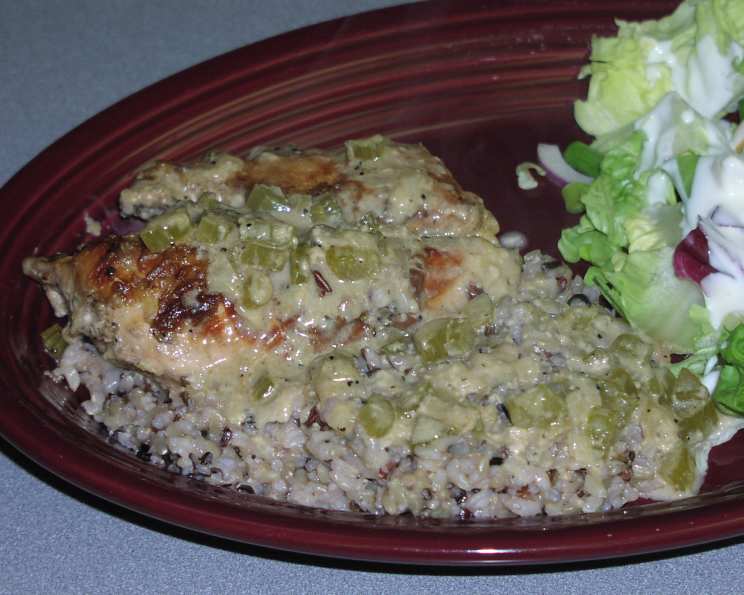
Pheasant with Wild Rice: A Culinary Ode to Autumn
The memory is etched in my mind: crisp autumn air, the golden hue of the late afternoon sun filtering through the trees, and the unmistakable sound of wings beating against the sky. Pheasant hunting with my grandfather wasn’t just about the sport; it was a ritual. And the culmination of that ritual was always this: pheasant with wild rice. The rich, earthy aroma would fill the kitchen, promising a hearty and deeply satisfying meal that celebrated the bounty of the season and the bonds of family. It’s a taste of home, of tradition, and of pure, unadulterated comfort.
Recipe Overview
- Prep Time: 20 minutes
- Cook Time: 1 hour 50 minutes
- Total Time: 2 hours 10 minutes
- Servings: 2-3
- Dietary Type: Omnivore
Ingredients
- 1 (2 1/2 lb) pheasant, dressed
- 1/4 cup all-purpose flour
- 1/2 cup butter or 1/2 cup margarine
- 1 onion, chopped
- 1 stalk celery, chopped
- 1 cup chicken broth
- 1 cup whipping cream
- 3 whole allspice
- 2 tablespoons sherry wine
- 1/2 teaspoon salt
- 1/2 teaspoon pepper
- 2 cups cooked wild rice
Equipment Needed
- Oven-safe skillet
- Sharp knife or kitchen shears
- Measuring cups and spoons
- Cutting board
- Tongs
Instructions
-
Begin by preparing the pheasant. Using a sharp knife or kitchen shears, cut the pheasant into quarters.
-
Place the flour in a shallow dish. Dredge each piece of pheasant thoroughly in the flour, ensuring it’s evenly coated. This will help create a beautiful crust when searing.
-
In an oven-safe skillet, melt the butter (or margarine) over medium-high heat. Make sure the skillet is large enough to accommodate all the pheasant pieces without overcrowding.
-
Carefully add the flour-dredged pheasant pieces to the hot skillet. Cook until browned on both sides, turning once. This searing process is crucial for developing rich flavor and a desirable texture. Be patient and allow the pheasant to brown properly before flipping.
-
Add the chopped onion and celery to the skillet with the browned pheasant. Cook for about 5 minutes, stirring occasionally, until the onion is translucent and the celery is slightly softened.
-
Pour in the chicken broth and whipping cream. Add the whole allspice, sherry wine, salt, and pepper. Stir gently to combine all the ingredients.
-
Cover the oven-safe skillet with a lid or tightly sealed aluminum foil. Transfer the skillet to a preheated oven.
-
Bake, covered, at 350°F (175°C) for 1 1/2 hours, or until the pheasant is tender and easily pierced with a fork. Cooking time may vary slightly depending on the size and age of the pheasant, so check for doneness periodically.
-
Once the pheasant is cooked through, remove the skillet from the oven. Remove the pheasant pieces from the skillet and set aside, keeping them warm. You can cover them with foil or place them in a low oven (around 200°F or 95°C) to prevent them from drying out.
-
Place the skillet with the pan drippings on the stovetop over medium-high heat. Cook, stirring occasionally, until the sauce has reduced to about 2 cups. This reduction process will intensify the flavors of the sauce.
-
To serve, arrange the warm pheasant pieces on a platter or individual plates. Spoon the reduced pan drippings sauce generously over the pheasant. Serve alongside the cooked wild rice.
Expert Tips & Tricks
- Brining the Pheasant: Consider brining the pheasant for a few hours before cooking. This will help to ensure that the meat remains moist and flavorful throughout the cooking process. A simple brine can be made with water, salt, sugar, and a few aromatic herbs.
- Deglazing the Pan: After browning the pheasant, deglaze the skillet with a splash of dry white wine or apple cider vinegar before adding the chicken broth. This will help to lift any browned bits from the bottom of the pan, adding even more flavor to the sauce.
- Thickening the Sauce: If you prefer a thicker sauce, you can whisk together a tablespoon of cornstarch with a tablespoon of cold water and add it to the pan drippings during the reduction process. Stir constantly until the sauce thickens to your desired consistency.
- Doneness Check: The best way to check if the pheasant is done is to use a meat thermometer. Insert the thermometer into the thickest part of the thigh, avoiding the bone. The internal temperature should reach 165°F (74°C).
Serving & Storage Suggestions
Serve the pheasant with wild rice immediately while it’s hot and the sauce is at its peak flavor. A simple green salad or roasted vegetables would make excellent accompaniments. For a truly special meal, pair it with a dry red wine like Pinot Noir or Cabernet Sauvignon.
Leftover pheasant can be stored in an airtight container in the refrigerator for up to 3 days. To reheat, gently warm the pheasant and sauce in a skillet over low heat, or in the oven at 300°F (150°C). You can also microwave it, but be careful not to overheat it, as this can dry out the meat.
Wild rice can also be stored in the refrigerator for up to 4 days. Reheat it in the microwave or in a skillet with a little bit of water or broth.
Nutritional Information
| Nutrient | Amount per Serving | % Daily Value |
|---|---|---|
| Calories | 725 kcal | 36% |
| Total Fat | 58g | 89% |
| Saturated Fat | 30g | 150% |
| Cholesterol | 230mg | 77% |
| Sodium | 553mg | 23% |
| Total Carbohydrate | 20g | 7% |
| Dietary Fiber | 1.6g | 6% |
| Sugars | 1.7g | 7% |
| Protein | 48g | 96% |
Note: Nutritional information is an estimate and may vary based on specific ingredients and cooking methods.
Variations & Substitutions
- Gluten-Free: For a gluten-free version, use a gluten-free flour blend instead of all-purpose flour.
- Dairy-Free: Substitute the whipping cream with coconut cream or another plant-based cream alternative. Be aware that this will slightly alter the flavor profile.
- Herbs: Experiment with different herbs to enhance the flavor. Thyme, rosemary, or sage would all be delicious additions.
- Vegetables: Add other vegetables to the skillet along with the onion and celery. Carrots, mushrooms, or parsnips would all complement the pheasant well.
FAQs (Frequently Asked Questions)
Q: Can I use a different type of bird for this recipe?
A: While this recipe is specifically for pheasant, you can adapt it for other game birds like quail or partridge. You may need to adjust the cooking time accordingly.
Q: Can I use store-bought cooked wild rice?
A: Yes, you can use store-bought cooked wild rice to save time. Just make sure to warm it up before serving.
Q: Do I have to use an oven-safe skillet?
A: Yes, using an oven-safe skillet is crucial for this recipe as it needs to transfer seamlessly from the stovetop to the oven. If you don’t have one, you can sear the pheasant in a regular skillet and then transfer it to a baking dish before adding the other ingredients and baking.
Q: What is sherry wine and can I substitute it?
A: Sherry wine adds a nutty, slightly sweet flavor to the sauce. If you don’t have any, you can substitute it with dry white wine, apple cider vinegar, or even a splash of balsamic vinegar.
Q: How do I know when the pheasant is fully cooked?
A: The best way to check for doneness is to use a meat thermometer. The internal temperature should reach 165°F (74°C) when inserted into the thickest part of the thigh.
Final Thoughts
Pheasant with Wild Rice is more than just a recipe; it’s a connection to the past, a celebration of the present, and a promise of future gatherings. I encourage you to try this recipe and experience the warmth and comfort it brings. Don’t be afraid to experiment with variations and make it your own. And most importantly, share it with those you love, creating memories that will last a lifetime. Enjoy!