
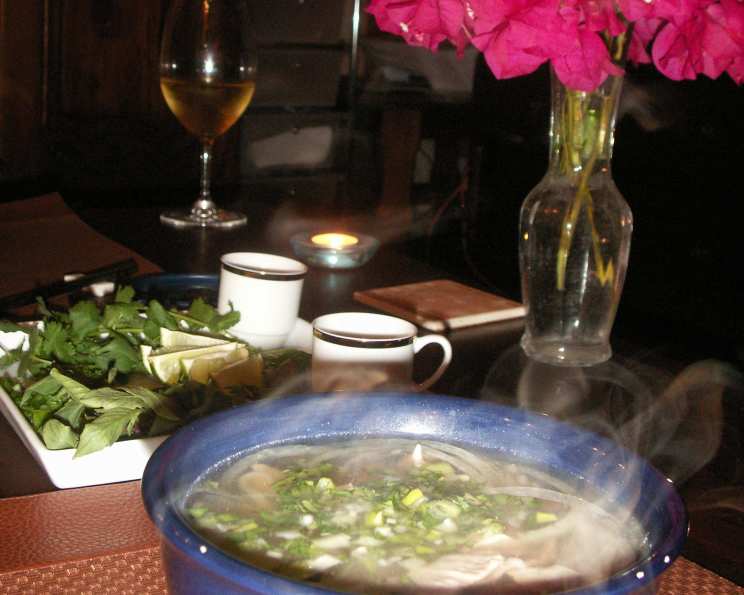
Pho Tai: A Culinary Journey to Vietnam in a Bowl
The aroma alone transports me back. I can almost feel the bustling energy of a Hanoi street market, the symphony of sizzling woks, and the gentle slurp of noodles being enjoyed at dawn. My first bowl of Pho Tai was from a small, unassuming stall – just a plastic table and chair, but the broth… oh, the broth! It was a revelation, a complex dance of savory, sweet, and aromatic notes that lingered long after the last drop. That single bowl ignited a lifelong passion for Vietnamese cuisine and a relentless pursuit to recreate that perfect Pho Tai experience at home.
Recipe Overview
- Prep Time: 30 minutes
- Cook Time: 5 hours
- Total Time: 5 hours 30 minutes
- Servings: 18
- Yield: 18 servings
- Dietary Type: Dairy-Free
Ingredients
- 3 lbs oxtails
- 2 lbs beef eye round
- 2 (16 ounce) packages rice noodles (medium banh pho)
- 1 white onion
- 6 green onions
- 8 shallots
- 2 (3 inch) gingerroot
- ½ cup Thai basil
- 1 cup cilantro leaf
- 1 lime
- 2 serrano peppers
- ½ teaspoon fennel seed
- 8 star anise pods
- 12 cloves
- 2 bay leaves
- 1 cinnamon stick
- 5 chicken bouillon cubes
- 1 tablespoon sugar
- 2 tablespoons sea salt
- ½ teaspoon sea salt
- 1 teaspoon fish sauce
- Hoisin sauce (prefer Lee Kum Kee brand)
- Chili sauce (sriracha)
Equipment Needed
- Large stockpot (at least 6 quarts)
- Medium tea ball strainer
- Small saucepan
- Strainer
- Tongs
- Sharp knife
- Cutting board
Instructions
-
Begin by bringing 4.5 gallons of water to a rolling boil in a large stockpot. This is the foundation of your pho, so use good quality water.
-
Prepare the aromatics. Trim the top off the shallots, leaving the skins and bottoms intact. Rinse the gingerroot, leaving the skin on.
-
On high heat, dry-fry the shallots and ginger in a dry pan. Turn regularly for approximately 15 minutes, until the shallots are slightly charred and the ginger is soft on the edges. This charring process is crucial for developing the deep, complex flavor of the broth.
-
Remove the ginger and shallots from the pan. Lightly pound the ginger until it cracks slightly. This helps to release its oils and aroma into the broth.
-
Add the ginger and charred shallots to the boiling water.
-
In a medium tea ball strainer, combine the fennel seed, bay leaves, cinnamon, anise, and cloves. Secure the tea ball and add it to the boiling water. This spice blend provides the signature warmth and depth of flavor in Pho.
-
Add the oxtail to the water. Ensure the water returns to a boil after adding the meat.
-
Cover the pot and reduce the heat to medium-low, maintaining a slight boil. This gentle simmering is essential for extracting maximum flavor from the oxtails and spices.
-
Skim off any accumulated fat periodically (approximately twice per hour) during the simmering process. This helps to keep the broth clear and clean-tasting. Cook for a total of 4 hours.
-
After 4 hours, add the chicken bouillon, sugar, 2 tablespoons sea salt, and fish sauce to the broth. Cook for one additional hour.
-
After the final hour of simmering, strain all solids from the broth using a fine-mesh strainer. Discard the solids; the broth now holds all their delicious essence.
-
Approximately 20 minutes before the broth finishes cooking, begin soaking the rice noodles in cold water for 20 minutes. This rehydrates the noodles and prevents them from clumping together during cooking.
-
At the same time, place the eye round steak in the freezer. This will firm up the meat, making it easier to slice very thinly.
-
Prepare the garnishes. Arrange lime wedges, cilantro stalks, Thai basil stalks, sliced serrano peppers, and diced green sections of the green onions, hoisin sauce, and sriracha on a serving plate for guests to add to their individual bowls.
-
Fill a small saucepan with water and ½ teaspoon salt and bring it to a boil.
-
Place a strainer inside the saucepan and cook the rice noodles in 3oz increments in the hot water nest for 90 seconds each. Ensure the noodles are cooked through but still slightly firm. Transfer the cooked noodles to individual bowls.
-
For each bowl of Pho, place 3oz of cooked noodles, 1oz of thinly sliced white onion, and 2oz of thinly sliced raw eye round steak into the bowl.
-
Ladle approximately 12oz of the hot broth into each bowl. The hot broth will gently cook the raw eye round steak slices to a perfect tenderness.
Note: If scaling down the number of servings, the cooking time should remain the same to ensure optimal flavor extraction.
Expert Tips & Tricks
- Charring is Key: Don’t skip the step of charring the shallots and ginger. This imparts a smoky depth that you can’t get any other way.
- Skimming is Essential: Regularly skimming the broth prevents it from becoming greasy. It’s a bit tedious, but the results are worth it.
- Freezing the Beef: Freezing the eye round steak for a short period makes slicing it paper-thin much easier. Use a very sharp knife or a meat slicer for best results.
- Broth Clarity: For an even clearer broth, you can blanch the oxtails in boiling water for a few minutes before adding them to the main pot. This helps remove impurities.
- Taste as You Go: Adjust the seasoning of the broth to your liking. Don’t be afraid to add more fish sauce, sugar, or salt to achieve the perfect balance.
Serving & Storage Suggestions
Serve the Pho Tai immediately while the broth is piping hot. Encourage guests to customize their bowls with the garnishes provided. Leftover broth can be stored in an airtight container in the refrigerator for up to 3 days. Reheat gently on the stovetop. Cooked noodles are best enjoyed fresh but can be stored separately in the refrigerator for up to 2 days. The beef is best when freshly cooked.
Nutritional Information
| Nutrient | Amount per Serving | % Daily Value |
|---|---|---|
| Calories | 270.9 kcal | N/A |
| Calories from Fat | 26 g | N/A |
| Total Fat | 3 g | 4% |
| Saturated Fat | 1 g | 4% |
| Cholesterol | 27.4 mg | 9% |
| Sodium | 1193.1 mg | 49% |
| Total Carbohydrate | 45.9 g | 15% |
| Dietary Fiber | 1.2 g | 5% |
| Sugars | 1.4 g | N/A |
| Protein | 13.4 g | 26% |
Variations & Substitutions
- Vegetarian Pho: Replace the oxtails and eye round with a variety of mushrooms and tofu for a vegetarian option. Use vegetable broth instead of water and chicken bouillon.
- Spicier Pho: Add more serrano peppers to the garnish plate or infuse the broth with a few Thai chili peppers during the simmering process.
- Different Meats: While eye round is traditional, you can also use flank steak or brisket.
- Herbal Variations: Experiment with different herbs like culantro or sawtooth coriander for a unique flavor profile.
- Broth Boost: For an even richer broth, add roasted chicken or beef bones during the simmering process.
FAQs (Frequently Asked Questions)
Q: Can I make the broth ahead of time?
A: Absolutely! In fact, making the broth a day or two in advance allows the flavors to meld even more. Just store it in the refrigerator and reheat before serving.
Q: Can I use a different type of noodle?
A: While medium banh pho rice noodles are traditional, you can experiment with other types of rice noodles, but be mindful of the cooking time, as different noodles may require different cooking times.
Q: How do I prevent the steak from overcooking?
A: Slicing the eye round steak very thinly and ensuring the broth is piping hot will cook the meat to a perfect medium-rare as the broth is poured over it.
Q: Can I freeze the broth?
A: Yes, the broth freezes very well. Store it in airtight containers for up to 3 months.
Q: What if I don’t have all the spices?
A: While the spice blend is essential for the authentic flavor of Pho, you can adjust the amounts based on your preferences. Don’t skip the star anise and cinnamon stick, as they are key components.
Final Thoughts
Pho Tai is more than just a soup; it’s an experience. It’s a labor of love, a culinary journey that rewards patience and attention to detail. Don’t be intimidated by the length of the recipe – each step is simple, and the result is well worth the effort. Gather your ingredients, follow the instructions, and allow yourself to be transported to the vibrant streets of Vietnam with every delicious spoonful. I encourage you to try this recipe and customize it to your liking. Share your Pho creations with friends and family, and let the flavors of Vietnam brighten your day. Consider pairing your Pho with a refreshing Vietnamese iced coffee or a light spring roll for a complete and satisfying meal.