
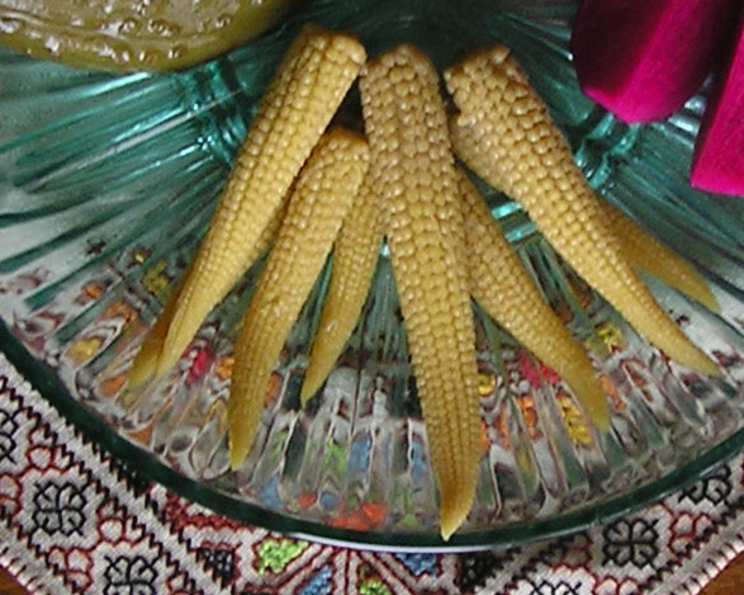
Pickled Baby Corn: A Taste of Summer Sunshine
The first time I tasted pickled baby corn, I was at a potluck in Lancaster County, Pennsylvania. The air hummed with the buzz of cicadas and the scent of freshly mown hay. A woman with kind eyes and flour-dusted hands offered me a small jar filled with these tiny, golden ears swimming in a shimmering brine. The tangy, slightly sweet crunch was an explosion of summer in my mouth. From that moment, I was hooked, eager to recreate this taste of sunshine in a jar, a way to hold onto summer’s bounty long after the leaves began to turn.
Recipe Overview
- Prep Time: 30 minutes
- Cook Time: 15 minutes
- Total Time: 45 minutes
- Yields: 2 Quarts
- Dietary Type: Vegetarian, Gluten-Free
Ingredients
- 2 quarts baby corn, immature field corn ears picked when only 2 or 3 inches long
- 1 cup water
- 2 cups sugar
- 2 cups vinegar (white or apple cider vinegar work well)
- 2 teaspoons salt
- 1 tablespoon pickling spices, in a bag
Equipment Needed
- Large pot
- Sterilized canning jars (2 quart-sized) with lids and rings
- Canning tongs or jar lifter
- Large spoon
- Small saucepan
Instructions
- Begin by husking the baby corn. This can be a bit tedious, but the reward is worth it! Ensure all the silk is removed.
- In a large pot, bring water to a boil.
- Once boiling, add the husked baby corn and cook for exactly 4 minutes. Do not overcook, as the corn will become mushy.
- While the corn is boiling, prepare the pickling syrup. In a small saucepan, combine the water, sugar, vinegar, salt, and pickling spices (in the bag).
- Bring the syrup to a boil over medium heat, stirring until the sugar and salt are completely dissolved.
- Once the corn is cooked, drain it immediately and set aside.
- Remove the pickling spice bag from the syrup.
- Pack the boiled corn tightly into the hot, sterilized canning jars, leaving about ½ inch of headspace at the top.
- Carefully pour the hot pickling syrup over the corn, ensuring that the corn is completely submerged and maintaining the ½ inch headspace.
- Wipe the rims of the jars with a clean, damp cloth to remove any spills or debris.
- Place the lids on the jars and screw on the rings finger-tight.
- Process the jars in a boiling water bath for 10 minutes. If you are at a higher altitude, you may need to increase the processing time. Check your local canning guidelines.
- Carefully remove the jars from the boiling water bath using canning tongs or a jar lifter and place them on a towel-lined surface to cool.
- As the jars cool, you should hear a “pop” sound, indicating that the jars have sealed properly.
- Once the jars are completely cool, check the seals by pressing down on the center of the lid. If the lid doesn’t flex or pop, it’s sealed. If the lid flexes, it’s not sealed and should be refrigerated and eaten soon.
Expert Tips & Tricks
- Don’t skimp on the quality of your vinegar! A good quality white vinegar or apple cider vinegar will make a noticeable difference in the final flavor.
- For a bit of heat, try adding a pinch of red pepper flakes to the pickling syrup.
- Make sure your jars are properly sterilized. You can do this by boiling them in water for 10 minutes or running them through a hot cycle in your dishwasher. This will help prevent spoilage.
- To make the pickling spice bag, you can use a small piece of cheesecloth tied with kitchen twine. If you don’t have cheesecloth, you can add the spices directly to the syrup and strain them out before pouring over the corn.
- If you don’t have baby corn, you can use regular corn on the cob, cut into small pieces.
Serving & Storage Suggestions
Pickled baby corn is a versatile treat. Serve it as part of a relish tray, add it to salads for a crunchy, tangy element, or use it as a garnish for cocktails. They are especially delicious alongside grilled meats and cheeses.
Sealed jars of pickled baby corn can be stored in a cool, dark place for up to a year. Once opened, refrigerate and consume within a few weeks. Unsealed jars should be refrigerated immediately and eaten within a few days.
Nutritional Information
| Nutrient | Amount per Serving | % Daily Value |
|---|---|---|
| Calories | 600.65 kcal | N/A |
| Total Fat | 2.3g | 3% |
| Saturated Fat | 0.35g | 2% |
| Cholesterol | 0 mg | 0% |
| Sodium | 1196.55 mg | 50% |
| Total Carbohydrate | 144.7g | 48% |
| Dietary Fiber | 5g | 20% |
| Sugars | 105.6g | N/A |
| Protein | 5.9g | 12% |
Note: Nutritional information is an estimate and may vary based on specific ingredients and serving sizes.
Variations & Substitutions
- Spicy Pickled Baby Corn: Add a sliced jalapeño or serrano pepper to each jar before adding the syrup.
- Garlic Herb Pickled Baby Corn: Include a few cloves of garlic and a sprig of fresh dill or thyme to each jar.
- Sweeter Pickled Baby Corn: Increase the amount of sugar in the syrup to your liking.
- Lower Sugar Pickled Baby Corn: Use a sugar substitute like Stevia or Monk Fruit in the pickling syrup. Be aware this may affect the final texture.
- Mustard Pickled Baby Corn: Add a tablespoon of mustard seeds to the pickling spice bag.
FAQs (Frequently Asked Questions)
Q: Why is it important to use sterilized jars for pickling?
A: Sterilizing the jars eliminates any bacteria or microorganisms that could cause spoilage, ensuring the pickled baby corn remains safe to eat for an extended period.
Q: Can I use regular corn instead of baby corn?
A: Yes, you can use regular corn cut into smaller pieces. However, baby corn has a unique tenderness and sweetness that is ideal for pickling.
Q: How long should I wait before eating the pickled baby corn?
A: It’s best to wait at least 2 weeks before opening a jar. This allows the flavors to fully develop and meld together.
Q: What if the jars don’t seal properly?
A: If the jars don’t seal, store them in the refrigerator and consume the pickled baby corn within a few weeks. You can also re-process them with new lids if you prefer to store them longer.
Q: Can I reuse the pickling brine?
A: It is not recommended to reuse pickling brine for safety reasons. The brine may have diluted or become contaminated during the initial pickling process.
Final Thoughts
Pickled baby corn is more than just a condiment; it’s a celebration of summer’s bounty, a tangible reminder of sunny days and potluck gatherings. This simple recipe allows you to capture that essence and enjoy it year-round. So, gather your ingredients, sterilize your jars, and embark on this delightful culinary adventure. I encourage you to experiment with different flavor combinations and share your creations with friends and family. And, of course, I would love to hear your feedback and any variations you discover along the way. Perhaps serve these alongside a summer salad with grilled chicken for the perfect light and flavourful meal. Happy pickling!