
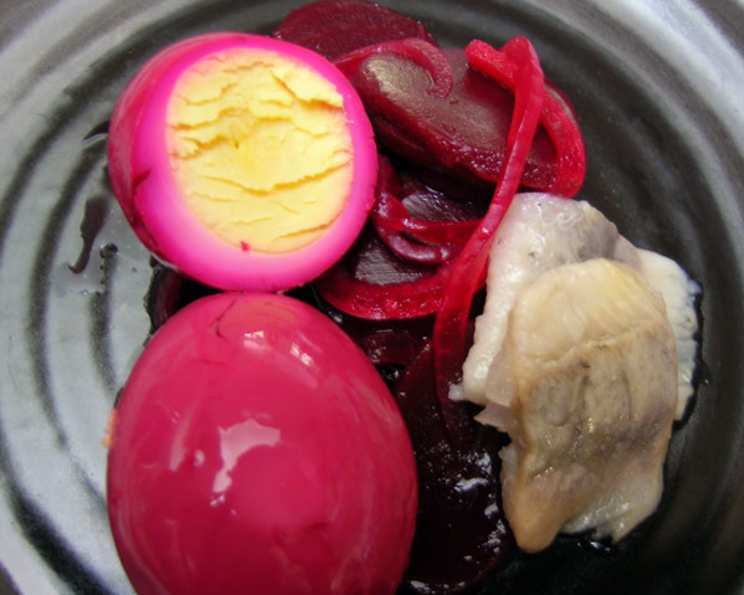
Pickled Eggs, Beets, and Onions: A Culinary Time Capsule
There’s something magical about the crimson stain that slowly seeps into a hard-boiled egg, transforming it into a tangy, slightly sweet, and utterly irresistible treat. I remember summer picnics at my grandmother’s farm, where a giant glass jar of these pickled delights always held a place of honor. The vibrant pink hues against the stark white of the eggs, the sharp scent of vinegar mingling with sweet spices – it was a sensory explosion that marked the start of every family gathering. We’d fight over the beet-soaked eggs, their yolks dyed a surreal, almost alien pink, a testament to time and flavor.
Recipe Overview
- Prep Time: 20 minutes
- Cook Time: 10 minutes
- Total Time: 30 minutes (plus chilling time)
- Servings: Varies depending on jar size
- Yield: Approximately 1 quart
- Dietary Type: Gluten-Free, Dairy-Free
Ingredients
- 18 hard-boiled eggs (whole, shelled)
- 1 cup onion (sliced)
- 2 (15 ounce) cans sliced beets
- 1 cup cider vinegar
- 1 cup white vinegar
- 2 cups beet juice (reserved from the canned beets)
- 1 cup brown sugar
- 1/4 cup white sugar
- 10 whole cloves
- 2 cinnamon sticks
- 8 juniper berries, cracked (optional)
- 1 teaspoon salt
Equipment Needed
- Large jar or container with a tight-fitting lid
- Saucepan
- Measuring cups and spoons
Instructions
- Carefully place the hard-boiled eggs, sliced onions, and sliced beets into a large, clean jar or container. Ensure the jar is large enough to hold all the ingredients comfortably.
- In a medium saucepan, combine the cider vinegar, white vinegar, beet juice, brown sugar, white sugar, whole cloves, cinnamon sticks, cracked juniper berries (if using), and salt.
- Bring the mixture to a gentle boil over medium heat, stirring occasionally to ensure the sugars dissolve completely.
- Once the mixture is boiling, reduce the heat to low and let it simmer gently for 10 minutes. This allows the flavors to meld and infuse.
- Remove the saucepan from the heat and allow the vinegar solution to cool completely. This is crucial for preserving the eggs and preventing them from becoming rubbery.
- Once the vinegar solution is cooled, carefully pour it over the eggs, onions, and beets in the jar.
- If the juice doesn’t completely cover the eggs and vegetables, add a mixture of equal parts water and vinegar (1:1 ratio) until everything is fully submerged. This is important to prevent spoilage.
- Seal the jar tightly with a lid and refrigerate.
- The pickled eggs, beets, and onions can be eaten after 24 hours, but the flavor improves significantly after a couple of days. Allow them to marinate in the refrigerator for at least 48 hours before serving. Store in the refrigerator.
Expert Tips & Tricks
- Perfectly Hard-Boiled Eggs: To avoid that dreaded green ring around the yolk, start your eggs in cold water, bring to a boil, then immediately remove from heat, cover, and let sit for 10-12 minutes before plunging into an ice bath. This ensures even cooking and easy peeling.
- Boosting the Beet Flavor: For a more intense beet flavor, roast a fresh beet and add it to the pickling brine instead of using canned beets. This will impart a deeper, earthier sweetness.
- Spice it Up: Add a pinch of red pepper flakes or a sliced jalapeño to the brine for a spicy kick.
- Crystal Clear Brine: Strain the brine after simmering to remove the cloves and cinnamon sticks, resulting in a clearer, more visually appealing final product.
- Preventing Spoilage: Ensure all ingredients are fully submerged in the vinegar solution to prevent the growth of unwanted bacteria. Use a clean jar and lid to maintain the integrity of the pickling process.
Serving & Storage Suggestions
Serve these pickled eggs, beets, and onions chilled, straight from the refrigerator. They make a wonderful addition to charcuterie boards, appetizer spreads, or even as a tangy side dish to grilled meats or salads. They can also be chopped and added to potato salad or deviled eggs for an extra layer of flavor.
Store the pickled eggs, beets, and onions in the refrigerator in their original jar. They will keep for up to 2-3 weeks. While the flavor may continue to intensify over time, it’s best to consume them within this timeframe for optimal quality. Do not freeze pickled eggs as freezing will ruin the texture.
Nutritional Information
| Nutrient | Amount per Serving (estimated) | % Daily Value |
|---|---|---|
| Calories | 200 kcal | 10% |
| Total Fat | 8g | 12% |
| Saturated Fat | 2g | 10% |
| Cholesterol | 215mg | 72% |
| Sodium | 300mg | 13% |
| Total Carbohydrate | 20g | 7% |
| Dietary Fiber | 1g | 4% |
| Sugars | 18g | |
| Protein | 8g | 16% |
Note: Nutritional information is an estimate and may vary depending on specific ingredients and serving sizes.
Variations & Substitutions
- Different Vinegars: Experiment with different types of vinegar, such as rice vinegar or apple cider vinegar, for varying flavor profiles.
- Sweeteners: Honey or maple syrup can be used in place of the white and brown sugar, though they will impart their own distinct flavors.
- Vegetables: Add other vegetables to the pickling brine, such as cauliflower florets, green beans, or carrots.
- Spice Blend: Create your own custom spice blend using ingredients like mustard seeds, coriander seeds, or bay leaves.
- No Juniper Berries: As mentioned, you can simply omit the juniper berries if you do not care for them.
FAQs (Frequently Asked Questions)
Q: How long do I need to wait before eating the pickled eggs?
A: While you can technically eat them after 24 hours, the flavor improves dramatically after a couple of days. Allowing them to marinate for at least 48 hours will result in a richer, more complex flavor.
Q: Can I use fresh beets instead of canned?
A: Yes, absolutely! Roasting fresh beets will intensify their flavor and add a lovely earthy note to the pickling brine. Be sure to cook them until tender before adding them to the jar.
Q: The vinegar solution doesn’t completely cover the eggs. What should I do?
A: If the vinegar solution doesn’t fully submerge the eggs and vegetables, add a mixture of equal parts water and vinegar (1:1 ratio) until everything is covered. This is essential for preventing spoilage.
Q: How long will these pickled eggs last in the refrigerator?
A: Properly stored in the refrigerator, pickled eggs, beets, and onions will last for up to 2-3 weeks.
Q: Can I reuse the pickling brine?
A: It’s generally not recommended to reuse pickling brine, as it may contain bacteria and lose its potency. It’s best to discard the brine after the eggs and vegetables have been consumed.
Final Thoughts
Pickled eggs, beets, and onions are more than just a recipe; they are a taste of nostalgia, a celebration of simple ingredients transformed into something truly special. The vibrant colors and tangy flavors are sure to brighten any table and delight your taste buds. Don’t be afraid to experiment with different spices and vegetables to create your own signature version. I encourage you to try this recipe, share it with loved ones, and create your own culinary memories. Perhaps you’ll even start a new family tradition!