
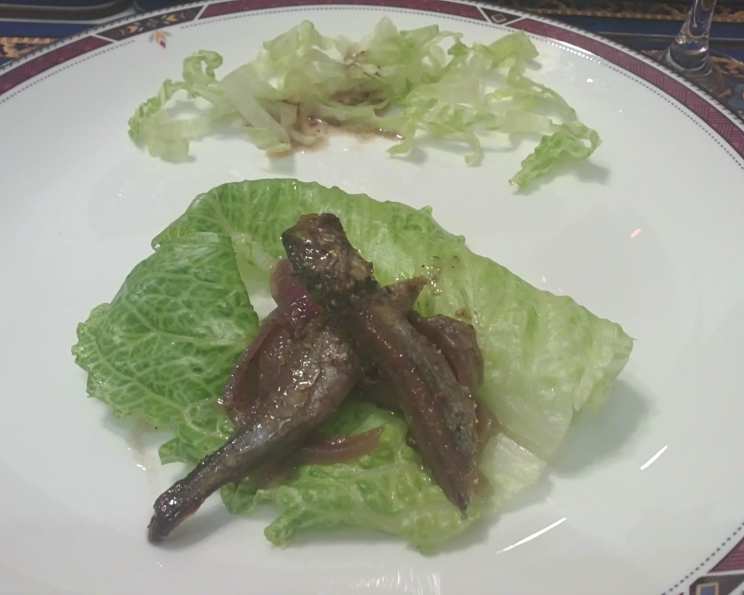
Pickled Shishamo: A Taste of the Sea and Sunshine
The first time I tasted pickled fish, I was wandering through a small market in Stockholm. The stall, overflowing with jars of glistening herrings in every imaginable brine, was a vibrant explosion of color and aroma. The vendor, a stout woman with rosy cheeks and twinkling eyes, insisted I try her “Sommarsill” – summer herring. The explosion of flavors – sweet, sour, and savory – was unlike anything I’d experienced. It sparked a lifelong love for pickled fish, a craving I’ve since satisfied by creating my own versions, drawing inspiration from global traditions and adapting them to local ingredients, like these delightfully delicate shishamo.
Recipe Overview
- Prep Time: 20 minutes
- Cook Time: 15 minutes
- Total Time: 35 minutes (plus 24 hours chilling)
- Servings: 5-6
- Yield: Approximately 10 fish
- Dietary Type: Pescatarian
Ingredients
- 450 g Japanese Shishamo whole fish, slightly salted (10 small or 8 large)
- 2 tablespoons vegetable oil
- 1 onion, sliced
- 3 teaspoons salt
- 1/4 teaspoon pepper
- 4 bay leaves
- 1/4 teaspoon ground coriander seed
- 1 dash cinnamon (or 1/8 tsp)
- 1 dash nutmeg (or 1/8 tsp)
- 1 dash clove (or 1/8 tsp)
- 4 tablespoons water
- 10 tablespoons white vinegar
- 4 tablespoons granulated sugar
- Juice of 1 lemon
- 2 tablespoons Dijon mustard
- 1 large sprig fresh dill
- 1 large sprig fresh coriander
Equipment Needed
- Baking sheet
- Small pot
- Storage container with lid
Instructions
- Preheat your oven to 180°C (350°F).
- Prepare the fish: Arrange the shishamo on a baking sheet.
- Bake the fish: Bake for 15 minutes, or until the fish are cooked through and lightly browned. You’ll know they’re done when the flesh is opaque and flakes easily.
- Prepare the onion: While the fish is baking, heat the vegetable oil in a small pot over low heat.
- Cook the onion: Add the sliced onion, salt, pepper, bay leaves, ground coriander seed, cinnamon, nutmeg, and clove to the pot. Cook until the onion is medium-tender, stirring occasionally. This will take about 10-15 minutes. Be careful not to burn the spices; low and slow is key.
- Make the marinade: Remove the pot from the heat and let the onion mixture cool slightly.
- Add liquids: Stir in the water, white vinegar, granulated sugar, lemon juice, and Dijon mustard. Mix well until the sugar is dissolved.
- Add herbs: Stir in the fresh dill and fresh coriander.
- Pack the fish: In a storage container, place the baked fish and cooked onions in alternating layers.
- Ensure submersion: If the fish is not fully immersed in the liquid marinade, add a little more water until it is covered.
- Refrigerate: Cover the container and store it in the refrigerator for at least 24 hours before serving. This allows the flavors to meld and the fish to properly pickle. The longer it sits, the more flavorful it becomes!
Expert Tips & Tricks
- Shishamo Selection: Look for shishamo that are bright and firm. The eyes should be clear and not sunken. If you can’t find shishamo, small herrings can be used as a substitute, though you might need to adjust the baking time slightly.
- Spice Level: Adjust the spices to your preference. If you prefer a spicier pickle, add a pinch of red pepper flakes to the onion mixture.
- Sweetness: The amount of sugar can also be adjusted. If you prefer a less sweet pickle, reduce the amount of sugar by a tablespoon.
- Herb Infusion: For a stronger herb flavor, gently bruise the dill and coriander sprigs before adding them to the marinade. This releases more of their essential oils.
- Vinegar Variety: While white vinegar is classic, you can experiment with other vinegars like apple cider vinegar for a slightly different flavor profile.
Serving & Storage Suggestions
Pickled shishamo is best served chilled. It’s a delightful appetizer or snack, perfect alongside crackers, crusty bread, or rye bread. It also pairs well with boiled potatoes and sour cream. You can also add it to salads for a tangy twist.
Store leftover pickled shishamo in the refrigerator, submerged in the marinade, for up to 10 days. The flavor will continue to develop over time. It is not recommended to freeze pickled fish, as the texture can become mushy upon thawing.
Nutritional Information
| Nutrient | Amount per Serving | % Daily Value |
|---|---|---|
| Calories | 110 kcal | N/A |
| Total Fat | 6g | 8% |
| Saturated Fat | 1g | 3% |
| Cholesterol | 0mg | 0% |
| Sodium | 1467mg | 61% |
| Total Carbohydrate | 14g | 4% |
| Dietary Fiber | 1g | 4% |
| Sugars | 12g | N/A |
| Protein | 1g | 1% |
Note: Nutritional information is an estimate and may vary based on specific ingredients and portion sizes.
Variations & Substitutions
- Herring Substitution: As mentioned earlier, small herrings can be used in place of shishamo. Adjust the baking time accordingly.
- Spice Variations: Experiment with different spices like fennel seeds, mustard seeds, or juniper berries for unique flavor profiles.
- Vegetable Additions: Add sliced carrots, bell peppers, or cucumbers to the pickling brine for added texture and flavor.
- Sweetener Alternatives: Use honey or maple syrup instead of granulated sugar for a more natural sweetness.
- Citrus Zest: Add lemon or orange zest to the marinade for a brighter, more aromatic flavor.
- Hot Pickled Fish: Add sliced jalapeños or a pinch of cayenne pepper to the marinade for a spicy kick.
FAQs (Frequently Asked Questions)
Q: Can I use frozen shishamo for this recipe?
A: Yes, you can use frozen shishamo. Make sure to thaw it completely before baking and pat it dry with paper towels to remove any excess moisture.
Q: How long does the pickled fish need to marinate before I can eat it?
A: It’s best to let the fish marinate for at least 24 hours, but the longer it sits, the more flavorful it becomes. Three to four days of marinating will produce the best results.
Q: Can I use a different type of vinegar?
A: Yes, you can experiment with different types of vinegar. Apple cider vinegar or white wine vinegar would be good substitutes for white vinegar. However, avoid using balsamic vinegar, as its strong flavor can overpower the other ingredients.
Q: Is it necessary to bake the fish before pickling it?
A: Yes, baking the fish ensures that it’s fully cooked and safe to eat. It also helps to firm up the flesh, which prevents it from becoming too mushy during the pickling process.
Q: How do I know if the pickled fish has gone bad?
A: If the pickled fish develops an off odor, becomes slimy, or shows signs of mold, it should be discarded. When stored properly in the refrigerator, it should last for up to 10 days.
Final Thoughts
Pickled shishamo is a surprisingly simple dish to make, but the resulting flavors are complex and incredibly satisfying. It’s a testament to the power of simple ingredients and time, transforming humble fish into a culinary delight. I encourage you to try this recipe and experiment with different variations to create your own signature pickled fish. Share your creations and feedback – I’d love to hear about your pickling adventures! This pickled fish is the perfect partner with a crisp, dry white wine or a refreshing lager. Bon appétit!