
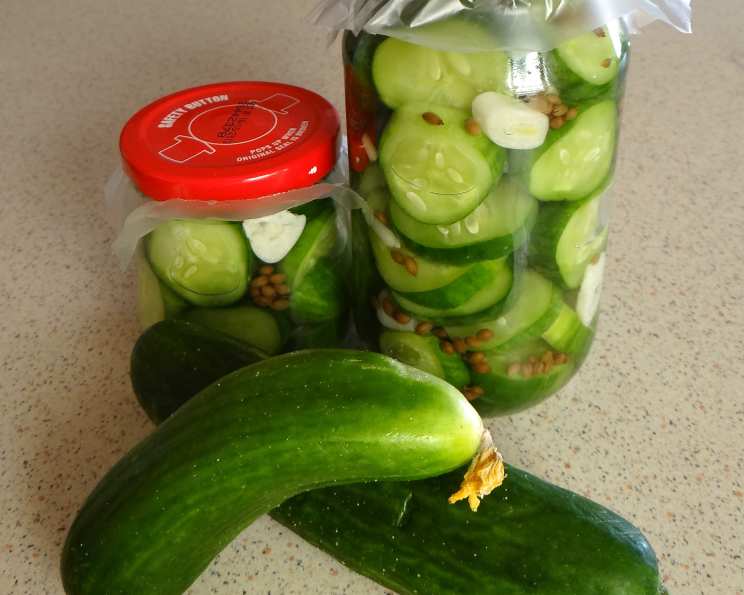
Pickled Lebanese Cucumber: A Taste of Summer Preserved
The scent of vinegar and coriander seeds always takes me back to my Teta’s (grandmother’s) kitchen. Every summer, the counters would be overflowing with gleaming Lebanese cucumbers, ready to be transformed into these tangy, crisp pickles. Jars lined the pantry shelves, a testament to her dedication to preserving the bounty of the season and a guarantee of flavorful bites throughout the year. This recipe is a direct descendant of hers, a small piece of my heritage bottled for everyone to enjoy.
Recipe Overview
- Prep Time: 20 minutes
- Cook Time: 10 minutes
- Total Time: 4 hours 30 minutes (includes salting time, excluding pickling time)
- Servings: Varies
- Yields: Approximately 2 Jars
- Dietary Type: Vegan, Gluten-Free, Dairy-Free
Ingredients
- 1 kg cucumber (Lebanese or Persian preferred)
- 2 cups water
- ½ cup white vinegar
- 2-3 teaspoons coriander seeds
- 4-5 large garlic cloves, sliced
- 200 g salt
Equipment Needed
- Small saucepan
- Large plastic bowl
- Slicer or sharp knife
- Sterile glass jars (approximately 2)
Instructions
- Begin by preparing the pickling liquid. In a small saucepan, combine the water, white vinegar, sliced garlic cloves, and coriander seeds.
- Bring the mixture to a boil over medium heat, then reduce the heat and simmer for 10 minutes. This allows the flavors to meld together beautifully. Once simmered, remove from heat and allow to cool completely.
- While the pickling liquid is cooling, prepare the cucumbers. Slice them to approximately 1/3 inch (about 8mm) thick. Using a slicer will ensure consistent thickness, which is ideal for even pickling.
- Place the sliced cucumbers in a large plastic bowl. Sprinkle the salt over the cucumber slices in layers, ensuring that all slices are adequately covered.
- Cover the bowl and let it sit for at least 4 hours, stirring every so often. This salting process is crucial as it dehydrates the cucumbers, drawing out excess water. This step ensures that the vinegar will penetrate the slices effectively, resulting in a crispier pickle. You’ll notice a significant amount of water accumulating in the bowl.
- After the salting period, rinse the cucumbers thoroughly three times, changing the water completely each time. This removes the excess salt.
- Leave the rinsed cucumbers to drain and dry off as much as possible. You can gently pat them dry with paper towels. This step helps prevent dilution of the pickling liquid.
- Once the cucumbers are adequately drained and the pickling liquid is completely cool, carefully pack the cucumber slices into sterile glass jars. Make sure the jars are properly sterilized to prevent spoilage.
- Pour the cooled pickling liquid into the jars, ensuring the cucumbers are completely submerged. Use a spoon to distribute the garlic slices and coriander seeds evenly among the jars.
- Seal the jars tightly.
- Store the sealed jars in a cool, dark cupboard for one to two weeks before opening. This allows the flavors to fully develop and the pickling process to complete.
- After the pickling time, serve and enjoy!
Expert Tips & Tricks
- Sterilizing Jars: To sterilize your jars, wash them thoroughly with hot, soapy water. Then, place them in a large pot, cover them with water, and bring to a boil. Boil for 10 minutes. Remove the jars carefully and let them air dry on a clean towel. Alternatively, you can sterilize them in the oven at 250°F (120°C) for 20 minutes.
- Cucumber Crispness: For extra crisp pickles, consider adding a grape leaf or a small piece of horseradish to each jar before sealing. These contain tannins, which help maintain the cucumber’s firmness.
- Salt Quality: Use a non-iodized salt for pickling. Iodized salt can discolor the pickles and give them an off-flavor.
- Vinegar Choice: While white vinegar provides a classic, clean taste, you can experiment with other vinegars like apple cider vinegar for a slightly different flavor profile. Just be sure the vinegar has at least 5% acidity for proper preservation.
- Flavor Boost: For a touch of heat, add a small dried chili pepper or a pinch of red pepper flakes to each jar.
Serving & Storage Suggestions
These Pickled Lebanese Cucumbers are incredibly versatile. They make a delightful addition to a cheese board, offering a tangy counterpoint to rich cheeses. They’re also fantastic in sandwiches, adding a crisp, flavorful bite. Try them tossed in salads for a refreshing twist.
Once opened, store the jars in the refrigerator. They will last for several weeks, although their texture may soften slightly over time. Unopened jars stored in a cool, dark place can last for up to a year. It is best to refrigerate after opening. Discard if you notice any signs of spoilage, such as mold, off-odors, or a bulging lid.
Nutritional Information
Note: Nutritional information is an estimate and can vary based on specific ingredients and serving size.
| Nutrient | Amount per Serving | % Daily Value |
|---|---|---|
| Calories | 25 kcal | 1% |
| Total Fat | 0.1 g | 0% |
| Saturated Fat | 0 g | 0% |
| Cholesterol | 0 mg | 0% |
| Sodium | 1600 mg | 67% |
| Total Carbohydrate | 5 g | 2% |
| Dietary Fiber | 1 g | 4% |
| Sugars | 2 g | 0% |
| Protein | 0.5 g | 1% |
Variations & Substitutions
- Spicy Pickles: Add a pinch of red pepper flakes or a small, dried chili pepper to the pickling liquid for a spicy kick.
- Dill Pickles: Substitute some of the coriander seeds with fresh dill sprigs for a classic dill pickle flavor.
- Sweet Pickles: Add a tablespoon or two of sugar to the pickling liquid for a slightly sweeter pickle.
- Other Vegetables: This pickling method works well with other vegetables, such as carrots, green beans, or cauliflower. Simply adjust the slicing and pickling time as needed.
- Garlic Lovers: Double the amount of garlic for a more intense garlic flavor.
FAQs (Frequently Asked Questions)
Q: Why is it important to salt the cucumbers before pickling?
A: Salting the cucumbers draws out excess moisture, resulting in a crispier pickle. It also helps the vinegar penetrate the cucumber slices more effectively.
Q: How do I know if my jars are properly sealed?
A: After processing the jars, the lid should be concave and not flex when pressed in the center. If the lid flexes, the jar is not properly sealed and should be refrigerated immediately and used within a week.
Q: Can I use different types of cucumbers for this recipe?
A: While Lebanese or Persian cucumbers are preferred for their thin skin and fewer seeds, you can use other varieties. Just be sure to peel them if the skin is thick or waxy.
Q: How long do I need to wait before eating the pickles?
A: It is recommended to wait at least one to two weeks before eating the pickles. This allows the flavors to fully develop and the pickling process to complete.
Q: What if my pickles turn out too salty?
A: If your pickles are too salty, you can rinse them briefly under cold water before serving. You can also try adding a bit of sugar to the jar to balance the flavors.
Final Thoughts
This Pickled Lebanese Cucumber recipe is more than just a way to preserve a summer vegetable; it’s a connection to family traditions and a celebration of simple, delicious flavors. I urge you to try this recipe and experience the satisfying crunch and tangy zest of homemade pickles. Feel free to experiment with different spices and variations to create your own unique version. And don’t hesitate to share your feedback – I’d love to hear about your pickling adventures! These pickles pair beautifully with creamy labneh, crusty bread, and a glass of chilled Arak, creating a perfect mezze spread.