
Crimson Jewels: The Art of Pickled Red Beets
My grandmother, bless her heart, always had a jar of pickled beets nestled in the back of her refrigerator. As a child, I wasn’t entirely convinced, but she’d coax me into trying “just one little bite,” promising the sweetness would surprise me. It wasn’t until I was older, and my own palate matured, that I truly appreciated the bright, tangy, earthy magic she was sharing – a taste of her own childhood, preserved in vinegar and sugar. Now, the vibrant pink stain on my fingers as I prepare these beets is a delicious reminder of her love, and the joy of carrying on a delicious family tradition.
Recipe Overview
- Prep Time: 20 minutes
- Cook Time: 20 minutes
- Total Time: 40 minutes
- Servings: 10
- Dietary Type: Vegetarian, Gluten-Free
Ingredients
- 20 medium red beets
- 2 1/2 cups apple cider vinegar
- 2 1/2 cups beet juice (reserved from cooking the beets)
- 1 cup granulated sugar
- 2 teaspoons salt
- 10 whole cloves
- 2 cinnamon sticks
Equipment Needed
- Large pot
- Sharp knife
- Cutting board
- Sterilized jars with lids
Instructions
-
Begin by scrubbing the beets thoroughly under cold running water to remove any dirt. Remove the beet tops, leaving about an inch of stem attached.
-
Place the beets in a large pot and cover them with water. Cook the beets until they are tender when pierced with a fork. This will likely take about 20 minutes, but cooking time will vary depending on the size and freshness of your beets.
-
Once the beets are tender, drain them, but be sure to reserve the beet juice. You’ll need 2 1/2 cups of this flavorful liquid for the pickling brine. If you don’t have enough juice from cooking the beets, supplement with store-bought beet juice.
-
Allow the beets to cool slightly until they are comfortable to handle. Then, remove the skins. The skins should slip off easily; if not, you can use a paring knife to help.
-
Cut the beets into bite-sized chunks or slices, depending on your preference.
-
In a large pot, combine the apple cider vinegar, reserved beet juice, granulated sugar, salt, whole cloves, and cinnamon sticks.
-
Bring the mixture to a boil over medium-high heat, stirring until the sugar and salt are completely dissolved.
-
Once the brine is boiling, remove the cinnamon sticks and cloves. These have imparted their flavor, and you don’t want to bite into them later.
-
Add the beet chunks to the boiling brine. Bring the mixture back to a boil, and then reduce the heat and simmer for 5 minutes, allowing the beets to absorb the flavors of the brine.
-
While the beets are simmering, ensure your jars are sterilized. You can do this by boiling them in water for 10 minutes, or by running them through a hot cycle in your dishwasher.
-
Carefully pour the hot beet chunks and brine into the hot, sterilized jars, leaving about 1/2 inch of headspace at the top.
-
Seal the jars with their lids. If you’re processing the jars for long-term storage, follow proper canning procedures. Otherwise, allow the jars to cool to room temperature before refrigerating.
Expert Tips & Tricks
- Don’t discard the beet greens! They can be sautéed like spinach or added to salads for a nutritious boost.
- For a deeper, more complex flavor, add a small piece of fresh ginger to the brine.
- If you prefer a less sweet pickle, reduce the amount of sugar in the brine.
- To intensify the red color of the beets, add a splash of red wine vinegar to the brine.
- For easy peeling, after the beets are cooked, plunge them into an ice bath. The drastic temperature change will loosen the skins.
Serving & Storage Suggestions
These pickled red beets are delicious served chilled as a side dish, a vibrant addition to salads, or as a tangy condiment alongside grilled meats or sandwiches. They pair exceptionally well with goat cheese, walnuts, and arugula.
Store the pickled beets in the refrigerator for up to 2 weeks. If you properly process the jars using canning methods, they can be stored in a cool, dark place for up to a year. Once opened, refrigerated canned beets should be consumed within 2 weeks.
Nutritional Information
| Nutrient | Amount per Serving | % Daily Value |
|---|---|---|
| Calories | 160.5 kcal | N/A |
| Calories from Fat | N/A | N/A |
| Total Fat | 0.3 g | 0% |
| Saturated Fat | 0 g | 0% |
| Cholesterol | 0 mg | 0% |
| Sodium | 596 mg | 24% |
| Total Carbohydrate | 36.2 g | 12% |
| Dietary Fiber | 4.6 g | 18% |
| Sugars | 31.3 g | N/A |
| Protein | 2.6 g | 5% |
Note: Nutritional information is an estimate and may vary based on specific ingredients and preparation methods.
Variations & Substitutions
- Spice it up: Add a pinch of red pepper flakes to the brine for a subtle kick.
- Herbal infusion: Include a sprig of fresh thyme or rosemary in the brine for an herbaceous twist.
- Sweet and Sour: Use a combination of apple cider vinegar and balsamic vinegar for a more complex flavor profile.
- Different sugars: Experiment with brown sugar or maple syrup instead of granulated sugar. Brown sugar will add a molasses-like depth, while maple syrup will impart a distinctive sweetness.
FAQs (Frequently Asked Questions)
Q: Can I use pre-cooked beets for this recipe?
A: Yes, you can use pre-cooked beets to save time. Just be sure to adjust the simmering time in the brine, as they won’t need as long to absorb the flavors.
Q: Do I have to use apple cider vinegar?
A: While apple cider vinegar is recommended for its flavor, you can substitute white vinegar or red wine vinegar if needed. The flavor will be slightly different, but still delicious.
Q: How long do the pickled beets need to sit before I can eat them?
A: For the best flavor, it’s recommended to let the pickled beets sit in the refrigerator for at least 24 hours before serving. This allows the flavors to fully develop.
Q: Can I can these pickled beets for long-term storage?
A: Yes, you can can these pickled beets using proper canning procedures. Be sure to follow a tested canning recipe to ensure food safety.
Q: What can I do with the leftover pickling brine?
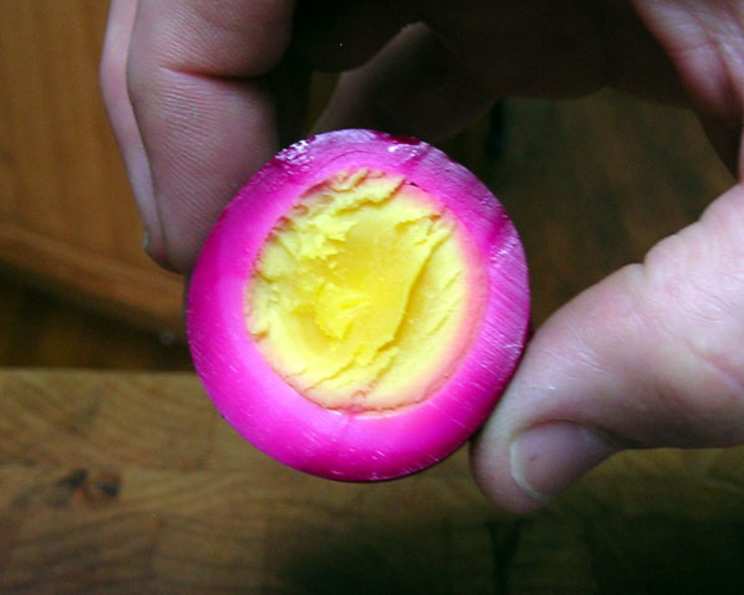
A: Don’t discard the flavorful pickling brine! It can be used as a marinade for meats, a dressing for salads, or even as a base for a tangy vinaigrette. Or, use the leftover sweet and sour red beet juice syrup to make “red beet eggs”: poor 2 1/2 c cooled syrup over 6 peeled hardboiled eggs and let them soak overnight in the refridgerator. yum yum!
Final Thoughts
Pickling beets is more than just preserving a vegetable; it’s about capturing a moment, a flavor, and a memory. These Crimson Jewels are a testament to the simple pleasures of home cooking. Whether you’re a seasoned chef or a kitchen novice, I encourage you to give this recipe a try. Share your creations with friends and family, and let the vibrant colors and tangy flavors brighten their day. And if you have any variations or tips of your own, please share them in the comments below – I’d love to hear what you create!