
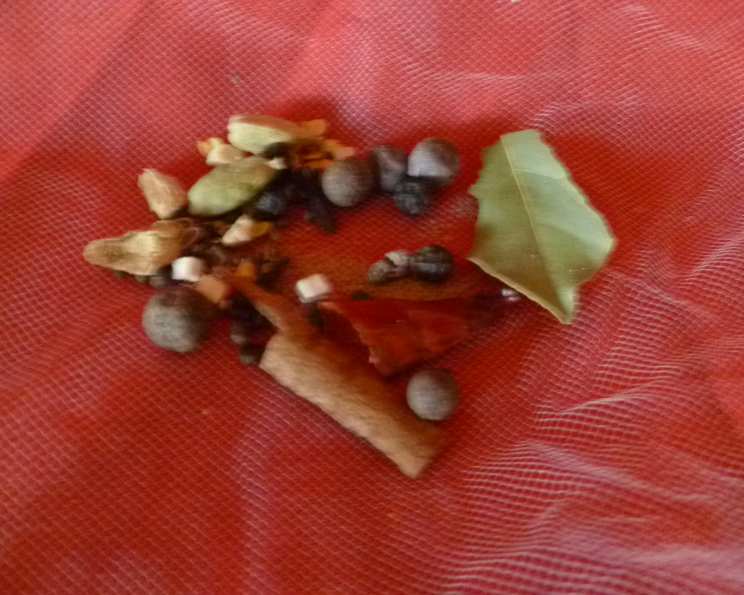
Crafting Your Perfect Pickling Spice Blend: A Chef’s Guide
The first time I encountered the magic of pickling spice was in my grandmother’s kitchen. The scent alone – a heady mix of sweet, spicy, and savory – transported me to a world of tangy cucumbers, crisp green beans, and vibrant beets. She never measured, of course, just a pinch of this and a handful of that. While her recipes were locked away in memory, that aroma sparked a lifelong passion for the art of preserving, and the alchemy of the perfect pickling spice. I still remember the distinct pop of the lids as she sealed her jars.
Recipe Overview
- Prep Time: 5 minutes
- Cook Time: 0 minutes
- Total Time: 5 minutes
- Yield: 1 Batch
- Dietary Type: Vegan, Gluten-Free, Dairy-Free
Ingredients
Here’s a list of common pickling spices. You can use them all, or pick and choose your favorites. Feel free to experiment and adjust the quantities to create your unique blend.
- Allspice berries
- Bay leaves
- Cardamom seeds
- Cinnamon stick, 2-inch
- Whole cloves
- Coriander seeds
- Dill seed
- Garlic, dried, minced or granulated
- Ginger, hard dried (powder will also work, but use sparingly)
- Juniper berries
- Mace, crumbled
- Mustard seeds (yellow or brown)
- Nutmeg, ground
- Peppercorns (black, white, or a mix)
- Dried red chili pepper, 2-inch, crumbled
- Red pepper flakes
Equipment Needed
- Tea infuser or cheesecloth
- Small bowl (for mixing, optional)
Instructions
- Gather all the spices you’ve chosen for your pickling blend.
- Combine the spices in a small bowl if you prefer to mix them thoroughly before use, or keep them separate to add individually.
- Portion the spice blend into a tea infuser or tie it securely in a piece of cheesecloth. This prevents the spices from floating freely in your pickling brine and makes removal easy.
- Use the spice blend according to your specific pickling recipe, adding it to the brine during the simmering stage to infuse the liquid with flavor. The specific amount of pickling spice will depend on the recipe and your personal taste preferences. For a standard quart-sized jar of pickles, start with about 1-2 tablespoons of pickling spice.
- Adjust your recipe as needed to achieve the flavor you desire.
Expert Tips & Tricks
- Toast your spices: Gently toasting the whole spices in a dry pan over medium heat for a few minutes before grinding or adding them to your pickling blend can enhance their aroma and flavor. Be careful not to burn them!
- Grind your own: For the freshest and most potent flavor, grind whole spices like coriander, allspice, and peppercorns just before using them. A spice grinder or mortar and pestle works well.
- Customize for different pickles: Adjust the spice blend to complement the flavors of the vegetables you’re pickling. For example, add more dill seed and garlic for cucumbers, or more cinnamon and cloves for fruits.
- Start small: When experimenting with a new spice blend, start with a smaller amount and taste the brine as it simmers. You can always add more spice, but it’s difficult to remove it if you’ve added too much.
- Balance sweet, sour, and savory: A good pickling spice blend should have a balance of sweet (cinnamon, allspice), sour (coriander, mustard seed), and savory (bay leaf, garlic) flavors.
Serving & Storage Suggestions
The primary purpose of pickling spice is to impart flavor to your pickled creations. Ensure the spice sachet or infuser is removed once the pickling process is complete.
Store any unused pickling spice blend in an airtight container in a cool, dark place. Properly stored, it can last for up to a year. However, the flavor will gradually diminish over time. It’s best to use it within 6-8 months for optimal flavor.
Nutritional Information
Since pickling spice is typically used in small quantities and not consumed directly, the nutritional impact is minimal. The following table provides an estimated breakdown for a 1-tablespoon serving of a typical pickling spice blend:
| Nutrient | Amount per Serving | % Daily Value |
|---|---|---|
| Calories | 15 kcal | 1% |
| Total Fat | 1g | 1% |
| Saturated Fat | 0g | 0% |
| Sodium | 2mg | 0% |
| Total Carbohydrate | 3g | 1% |
| Dietary Fiber | 1g | 4% |
| Sugars | 0g | 0% |
| Protein | 0g | 0% |
Note: Nutritional information is an estimate and may vary based on the specific spices used in the blend.
Variations & Substitutions
- Spicy Pickles: Increase the amount of red pepper flakes or add a small, finely chopped habanero pepper to the spice blend.
- Sweet Pickles: Add a star anise or a few extra cloves to the spice blend. You can also use a sweeter variety of cinnamon, such as Saigon cinnamon.
- Dill Pickles: Focus on dill seed as the primary flavor, and add some fresh dill sprigs to the jar along with the spice blend.
- Bread and Butter Pickles: Include turmeric powder for color and a touch of sweetness.
- Mustard Pickles: Double the amount of mustard seeds for a stronger mustard flavor.
- For a milder flavor, reduce the amount of cloves and allspice. These two spices can be quite potent.
- If you can’t find mace, you can substitute it with a pinch of nutmeg, although the flavor won’t be exactly the same.
- Dried ginger powder can be used in place of dried ginger pieces, but use it sparingly, as it can be quite strong. Start with 1/4 teaspoon per batch.
FAQs (Frequently Asked Questions)
Q: Can I reuse pickling spice?
A: It’s generally not recommended to reuse pickling spice, as it loses its flavor and potency after the first use. It’s best to use fresh spices for each batch of pickles.
Q: Do I have to use all the spices listed in the recipe?
A: No, you don’t have to use all the spices. Feel free to pick and choose the ones you like best, or experiment with different combinations to create your own unique flavor profile.
Q: How much pickling spice should I use per jar of pickles?
A: A good starting point is about 1-2 tablespoons of pickling spice per quart-sized jar. Adjust the amount to your liking, depending on your personal taste preferences.
Q: Can I use ground spices instead of whole spices?
A: While whole spices are generally preferred for pickling, you can use ground spices in a pinch. However, keep in mind that ground spices tend to lose their flavor more quickly than whole spices. If using ground spices, reduce the amount by about half, as they are more concentrated.
Q: Where can I buy pickling spice?
A: Pickling spice blends are readily available in most grocery stores, usually in the spice aisle or the canning supplies section. You can also find them online at various retailers. You can also purchase all the individual spices in bulk and make your own pickling spice blend to store.
Final Thoughts
Creating your own pickling spice blend is a delightful journey into the world of flavors. Don’t be afraid to experiment and tailor the blend to your specific preferences. Whether you’re pickling cucumbers, beets, or something entirely unique, the right combination of spices can elevate your creations to new heights. I encourage you to gather your spices, embrace the process, and share your flavorful creations with friends and family. And most importantly, enjoy the delicious results!