
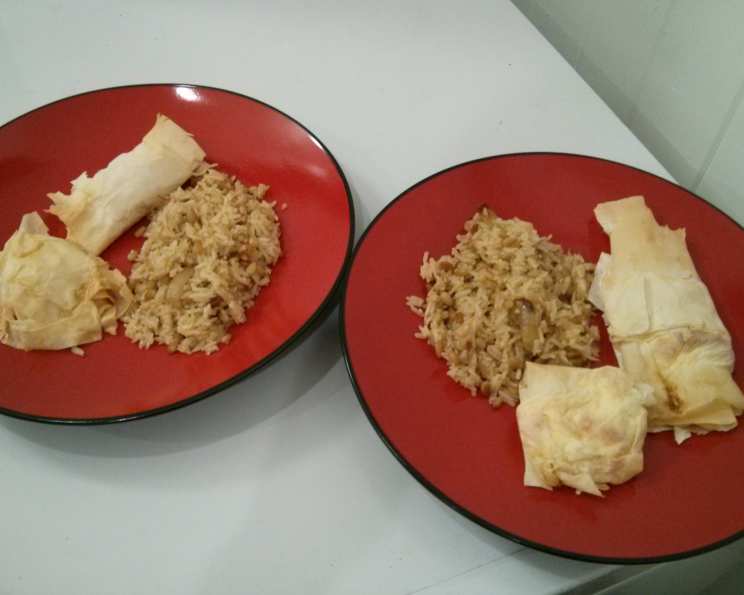
Pine Nut and Sesame Pilaf: An Armenian Delight
The aroma of toasted pine nuts and sesame seeds always transports me back to my grandmother’s kitchen. She had a well-worn copper pot dedicated solely to making pilaf, and the sounds of the sizzling butter and gently simmering rice are etched in my memory. This Pine Nut and Sesame Pilaf, fragrant with fenugreek, is a dish she often prepared, a humble yet deeply satisfying side that elevated even the simplest meal into a feast. It’s a taste of home, warmth, and the enduring legacy of Armenian culinary traditions.
Recipe Overview
- Prep Time: 10 minutes
- Cook Time: 35 minutes
- Total Time: 45 minutes
- Servings: 6
- Dietary Type: Vegetarian
Ingredients
- 3 tablespoons butter
- 1 cup rice (can use brown rice, but will have to cook 15-20 minutes longer)
- 1 cup vegetable broth
- 1 cup water
- 1/2 cup pine nuts, lightly roasted
- 1/4 cup sesame seeds, lightly roasted
- 1 teaspoon salt
- 1/2 teaspoon pepper
- 1 teaspoon fenugreek leaves
Equipment Needed
- Large sauté pan
- Lid for sauté pan
Instructions
- Begin by melting the butter in a large sauté pan over medium heat.
- Add the rice to the pan and toast it for about 2-3 minutes, stirring constantly. This step enhances the nutty flavor of the rice and helps prevent it from becoming sticky.
- Add the vegetable broth and water to the pan.
- Bring the mixture to a boil, then reduce the heat to low, cover the pan tightly with a lid, and simmer for 15-20 minutes, or until the rice is tender and all the liquid has been absorbed. For brown rice, simmer for an additional 15-20 minutes, checking periodically to ensure there’s still liquid in the pan. If the rice becomes dry before it’s fully cooked, add a little more broth or water.
- While the rice is simmering, in a separate dry pan, lightly toast the pine nuts and sesame seeds until golden brown and fragrant, be careful not to burn them. Remove from heat and set aside.
- In another large sauté pan, melt the remaining butter over medium heat. Add the fenugreek leaves and sauté for about 1 minute, until fragrant.
- Add the cooked rice to the pan with the fenugreek and butter mixture.
- Stir in the toasted pine nuts and sesame seeds.
- Season with salt and pepper, adjusting to your taste.
- Gently fluff the pilaf with a fork before serving to ensure the grains are separate and light.
Expert Tips & Tricks
- Roasting the Rice: Don’t skip the step of toasting the rice in butter before adding the liquid. This crucial technique adds a depth of flavor and improves the texture of the pilaf.
- Toast Nuts and Seeds Carefully: Keep a close eye on the pine nuts and sesame seeds as they toast, they can go from golden brown to burnt very quickly. Toasting them separately ensures even browning.
- Resting Time: After cooking, allow the pilaf to rest, covered, for 5-10 minutes. This allows the steam to redistribute, resulting in a more evenly cooked and fluffy pilaf.
- Liquid Ratio: The correct liquid ratio is essential for perfectly cooked pilaf. Use a 2:1 ratio of liquid to rice (in this case, 1 cup broth and 1 cup water to 1 cup rice).
- Fluff Don’t Stir: When the pilaf is cooked, gently fluff it with a fork to separate the grains. Avoid stirring, which can make the rice sticky.
- Infuse the Butter: For an even more aromatic pilaf, infuse the butter with the fenugreek leaves before adding the rice. Simply melt the butter, add the fenugreek, and let it simmer gently for a few minutes before straining out the leaves.
Serving & Storage Suggestions
This Pine Nut and Sesame Pilaf is a versatile side dish that pairs beautifully with roasted meats, grilled vegetables, or even as a base for a vegetarian main course. Serve it warm, garnished with a sprinkle of fresh parsley or cilantro for a pop of color.
Leftovers can be stored in an airtight container in the refrigerator for up to 3 days. To reheat, gently warm the pilaf in a saucepan over low heat, adding a tablespoon or two of water or broth to prevent it from drying out. You can also reheat it in the microwave, but be sure to cover it to retain moisture. Freezing is not recommended, as the texture of the rice may change upon thawing.
Nutritional Information
| Nutrient | Amount per Serving | % Daily Value |
|---|---|---|
| Calories | 380 kcal | 19% |
| Total Fat | 20g | 31% |
| Saturated Fat | 8g | 40% |
| Cholesterol | 20mg | 7% |
| Sodium | 350mg | 15% |
| Total Carbohydrate | 45g | 15% |
| Dietary Fiber | 2g | 8% |
| Sugars | 1g | 2% |
| Protein | 7g | 14% |
Note: Nutritional information is an estimate and may vary based on specific ingredients and cooking methods.
Variations & Substitutions
- Gluten-Free: This recipe is naturally gluten-free.
- Vegan: This recipe is suitable for vegans if using vegetable broth.
- Herbs: Experiment with different herbs such as dill, mint, or thyme to customize the flavor profile.
- Nuts: Substitute the pine nuts with almonds, walnuts, or pistachios for a different nutty flavor.
- Spices: Add a pinch of cumin, coriander, or turmeric for a warmer, more exotic flavor.
- Vegetables: Incorporate chopped vegetables such as carrots, celery, or onions for added texture and nutrients. Sauté the vegetables with the butter before adding the rice.
- Broth: Use chicken or beef broth for a richer flavor, if not vegetarian.
FAQs (Frequently Asked Questions)
Q: Can I use pre-cooked rice for this recipe?
A: While you can technically use pre-cooked rice, it’s not recommended. Toasting uncooked rice in butter is key to developing the flavor and texture of the pilaf.
Q: What if my pilaf is still wet after the cooking time?
A: If there is still liquid in the pan after the recommended cooking time, remove the lid and continue to simmer over low heat until the liquid evaporates.
Q: Can I make this pilaf ahead of time?
A: Yes, you can prepare the pilaf up to a day in advance. Store it in an airtight container in the refrigerator and reheat gently before serving.
Q: How do I prevent the rice from sticking to the bottom of the pan?
A: Use a heavy-bottomed sauté pan and ensure the heat is low enough to simmer the rice gently without scorching.
Q: Can I use a different type of rice?
A: Yes, you can use other types of rice, such as basmati or jasmine rice. However, cooking times may vary, so adjust accordingly. Brown rice will require a longer cooking time and more liquid.
Final Thoughts
This Pine Nut and Sesame Pilaf is more than just a side dish; it’s a celebration of simple ingredients transformed into something extraordinary. The nutty aroma, the delicate texture, and the subtle spice of fenugreek create a symphony of flavors that will delight your senses. I encourage you to try this recipe and experience the warmth and comfort of Armenian cuisine. Share your creations and feedback, and perhaps pair it with grilled lamb or a hearty vegetable stew for a complete and satisfying meal. Bon appétit!