
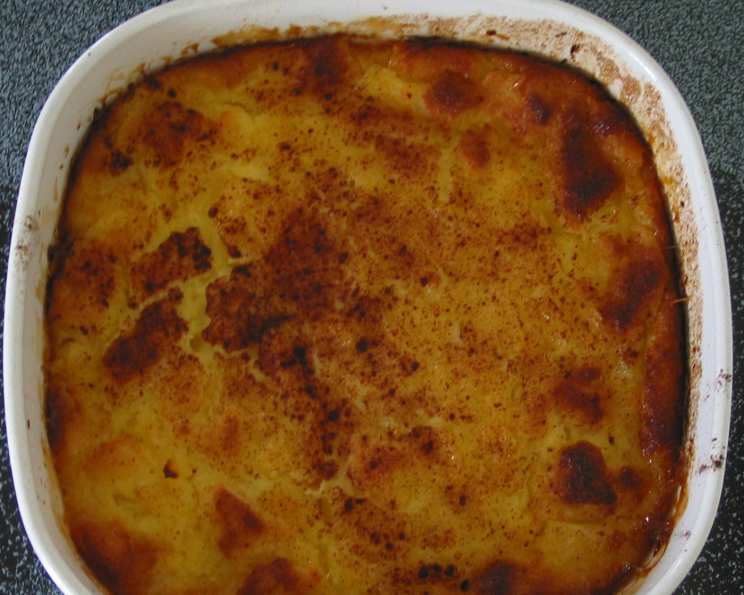
Pineapple-Cinnamon Stuffing: A Sweet & Savory Delight
The scent of cinnamon and pineapple baking in the oven… it instantly transports me back to Easter dinners at my grandmother’s house. I can almost feel the warmth of the sun streaming through the dining room windows, the crisp linen tablecloth beneath my fingers, and the excited chatter of cousins as we waited for the ham to be sliced. This Pineapple-Cinnamon Stuffing, always nestled alongside the main course, was a highlight – a sweet and savory counterpoint that made the whole meal sing. It’s a tradition I’ve carried on, and I’m thrilled to share it with you.
Recipe Overview
- Prep Time: 20 minutes
- Cook Time: 1 hour
- Total Time: 1 hour 20 minutes
- Servings: 8
- Dietary Type: Vegetarian
Ingredients
- 1 cup butter, melted
- 1 1/2 cups sugar
- 8 eggs, beaten
- 2 (16 ounce) cans crushed pineapple, undrained
- 10-12 slices bread, crust removed and torn into bite-sized pieces
- 1 dash cinnamon (plus extra for sprinkling)
Equipment Needed
- Large mixing bowl
- Greased baking dish (9×13 inch recommended)
- Measuring cups and spoons
- Whisk or spoon
- Oven
Instructions
- Preheat your oven to 350°F (175°C). Make sure your baking dish is well-greased to prevent the stuffing from sticking. You can use butter, cooking spray, or even line the dish with parchment paper for easy cleanup.
- In a large mixing bowl, combine the melted butter and sugar. Beat these together until they are well combined and smooth. If the butter isn’t completely melted, you might get a few small clumps, but that’s okay – they’ll melt in the oven.
- Add the beaten eggs to the butter and sugar mixture. Incorporate the eggs thoroughly, making sure everything is well blended. This step is crucial for a smooth and consistent texture in the final product.
- Now, pour in the two cans of crushed pineapple (undrained) into the bowl with the other wet ingredients. It’s important to use undrained pineapple because the juice adds necessary moisture and flavor to the stuffing. Mix everything together.
- Gently add the torn bread pieces to the wet ingredients. This is where a little patience comes in. Stir the bread into the mixture gradually. You don’t want to overmix, but make sure the bread is evenly coated. The mixture will appear quite soupy at this stage, which is perfectly normal. The bread will absorb the moisture during baking.
- Pour the entire mixture into your prepared baking dish. Spread it out evenly.
- Sprinkle the top of the stuffing with a dash of cinnamon. This will add a lovely aroma and flavor as it bakes. You can adjust the amount of cinnamon to your preference.
- Bake in the preheated oven, uncovered, for 1 hour. The stuffing is done when it’s golden brown on top and set in the center. A toothpick inserted into the center should come out relatively clean. If the top starts to brown too quickly, you can loosely cover the dish with foil for the last 15 minutes of baking.
- Remove the stuffing from the oven and let it set for 15 minutes before serving. This allows the stuffing to firm up slightly, making it easier to slice and serve.
Expert Tips & Tricks
- Bread Choice: The type of bread you use can significantly impact the final texture. Stale bread works best as it absorbs the liquid without becoming mushy. I often use day-old French bread or a slightly dense white bread.
- Make-Ahead Magic: This stuffing is a fantastic make-ahead dish. Prepare it entirely (up to the baking step) and store it, covered, in the refrigerator for up to 24 hours. Before baking, bring it to room temperature for about 30 minutes to ensure even cooking.
- Don’t Overmix: Be careful not to overmix the stuffing once you add the bread. Overmixing can result in a dense, gummy texture. Gently fold the bread into the wet ingredients until just combined.
- Spice it Up: For a more complex flavor, consider adding a pinch of ground nutmeg or cloves along with the cinnamon.
- Browning Boost: If you want a deeper golden-brown color on top, brush the top of the stuffing with melted butter during the last 10 minutes of baking.
Serving & Storage Suggestions
This Pineapple-Cinnamon Stuffing is best served warm, alongside your favorite main course. It’s a classic accompaniment to baked ham or pork roast, but it also pairs well with roasted chicken or turkey. Garnish with a sprinkle of fresh parsley or a dusting of cinnamon for a more elegant presentation.
Leftover stuffing can be stored in an airtight container in the refrigerator for up to 3 days. To reheat, simply microwave individual portions or bake in a preheated oven at 350°F (175°C) until warmed through. You can also freeze the stuffing for up to 2 months. Thaw it in the refrigerator overnight before reheating.
Nutritional Information
| Nutrient | Amount per Serving | % Daily Value |
|---|---|---|
| Calories | 425 kcal | 21% |
| Total Fat | 20g | 31% |
| Saturated Fat | 12g | 60% |
| Cholesterol | 200mg | 67% |
| Sodium | 350mg | 15% |
| Total Carbohydrate | 55g | 18% |
| Dietary Fiber | 2g | 8% |
| Sugars | 40g | N/A |
| Protein | 7g | 14% |
Note: Nutritional information is an estimate and may vary based on specific ingredients and portion sizes.
Variations & Substitutions
- Gluten-Free: Use gluten-free bread to make this stuffing suitable for those with gluten sensitivities.
- Dairy-Free: Substitute the butter with a dairy-free butter alternative, such as coconut oil or vegan butter sticks.
- Lower Sugar: Reduce the amount of sugar by 1/4 cup or substitute with a sugar alternative like stevia or monk fruit sweetener. Be mindful that this will affect the overall sweetness and texture.
- Nutty Addition: Add 1/2 cup of chopped pecans or walnuts for added crunch and flavor.
- Tropical Twist: Include 1/2 cup of shredded coconut for an enhanced tropical flavor.
FAQs (Frequently Asked Questions)
Q: Can I use fresh pineapple instead of canned?
A: While you can, canned crushed pineapple is recommended because the canning process helps to soften the pineapple and release its juices, which is essential for the stuffing’s moisture. If you use fresh, finely chop it and add a little pineapple juice to the mixture.
Q: The stuffing seems too soupy before baking. Is that normal?
A: Yes, it’s perfectly normal for the mixture to be soupy before baking. The bread will absorb the liquid during baking, resulting in a moist, but not soggy, stuffing.
Q: Can I add other fruits to this stuffing?
A: Absolutely! Consider adding dried cranberries, raisins, or chopped apples for added flavor and texture.
Q: How can I prevent the top of the stuffing from browning too quickly?
A: If the top starts to brown too quickly, loosely cover the baking dish with aluminum foil during the last 15-20 minutes of baking.
Q: Can I freeze this stuffing after it’s baked?
A: Yes, you can freeze baked stuffing. Allow it to cool completely, then wrap it tightly in plastic wrap and aluminum foil or store it in an airtight container. It can be frozen for up to 2 months. Thaw it in the refrigerator overnight before reheating.
Final Thoughts
This Pineapple-Cinnamon Stuffing is more than just a side dish; it’s a taste of tradition, a warm hug from the past. I encourage you to try this recipe and create your own memories with it. Don’t be afraid to experiment with variations and make it your own. Whether you’re serving it at Easter, Thanksgiving, or any special occasion, I hope it brings as much joy to your table as it has to mine. And if you do make it, I’d love to hear your feedback! Perhaps pair it with a crisp white wine or a light sparkling cider for the perfect complement. Happy cooking!