
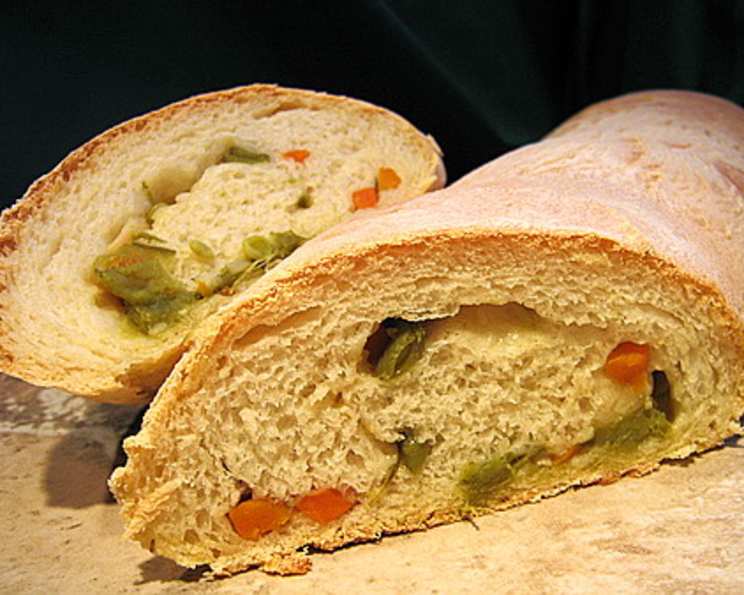
The Humble, Versatile Pizza Crust: From Simple to Sublime
The scent of baking pizza crust takes me straight back to my childhood kitchen. My grandmother, a whirlwind of flour and laughter, would let me “help” by punching down the dough, a task I approached with the seriousness of a seasoned baker (despite getting flour everywhere). The simple act of kneading, the anticipation as it proofed, and the ultimate joy of topping it with whatever our hearts desired – it was pure magic. To this day, a perfectly crisp, chewy pizza crust is more than just a base; it’s a vessel for memories and a testament to the enduring power of simple, homemade food.
Recipe Overview
- Prep Time: 15 minutes
- Cook Time: 20 minutes
- Total Time: 35 minutes
- Servings: 10
- Yield: 1 pizza crust
- Dietary Type: Vegetarian (easily adaptable to vegan)
Ingredients
- 1 tablespoon fast-rising yeast
- 2 ½ cups flour (all-purpose or spelt)
- 1 teaspoon salt
- 1 cup hot water
- ¼ cup oil (olive oil recommended for flavor, but vegetable or canola oil works too)
Equipment Needed
- Large mixing bowl
- Measuring cups and spoons
- Pizza pan or baking sheet
- Clean work surface for kneading
Instructions
-
Begin by setting aside 1 cup of the flour from the total amount. This allows you to adjust the consistency of the dough later.
-
In the large mixing bowl, combine 1 ½ cups of the flour, the fast-rising yeast, and the salt. Whisk together to ensure even distribution of the ingredients.
-
In a separate container, combine the oil with the hot water. The water should be warm to the touch, not scalding, to activate the yeast without killing it.
-
Pour the hot water and oil mixture into the flour mixture.
-
Stir everything together until a shaggy dough forms.
-
Gradually add the reserved 1 cup of flour, incorporating it until the dough starts to pull away from the sides of the bowl.
-
Turn the dough out onto a lightly floured surface.
-
Knead the dough for about 5-7 minutes. Pay close attention to the consistency. Spelt flour, in particular, can be a bit different to work with than all-purpose flour. You may need to add a little more flour, a tablespoon at a time, if the dough is too sticky. The goal is a smooth, elastic dough that is slightly tacky but not overly sticky.
-
Once the dough is kneaded, let it rest for 10 minutes. This allows the gluten to relax, making it easier to roll out.
-
Preheat your oven to 400 degrees Fahrenheit (200 degrees Celsius).
-
Lightly grease a pizza pan or baking sheet with oil.
-
Press the dough evenly into the prepared pan. You can use your fingers to gently stretch it to the edges, or use a rolling pin if preferred.
-
Top the crust with your favorite pizza toppings.
-
Bake in the preheated oven for 20 minutes, or until the crust is golden brown and the toppings are cooked through.
-
Remove from the oven, let cool slightly, slice, and enjoy!
Expert Tips & Tricks
- Proofing the Yeast (Optional): While fast-rising yeast generally doesn’t require proofing, if you’re unsure of its freshness, you can proof it by mixing it with a little warm water and sugar. If it foams up after 5-10 minutes, it’s good to go.
- Spelt Flour Adjustments: Spelt flour absorbs liquid differently than all-purpose flour. Start with the recommended amount of flour, but be prepared to add a bit more if the dough is too sticky. Conversely, if it’s too dry, add a teaspoon of water at a time until it reaches the right consistency.
- Crispy Crust Secret: For a crispier crust, try pre-baking the crust for 5-7 minutes before adding the toppings. This helps to dry out the dough and prevent it from becoming soggy.
- Flavor Infusion: Enhance the flavor of your crust by adding herbs like oregano, basil, or rosemary to the dough during the kneading process. Garlic powder or onion powder also adds a delicious savory note.
- Make-Ahead Dough: Prepare the dough ahead of time, let it rise in the refrigerator overnight, and then bring it to room temperature before shaping and baking. This develops the flavor and creates a more complex crust.
Serving & Storage Suggestions
Serve the pizza immediately after baking for the best flavor and texture. Leftover pizza can be stored in the refrigerator for up to 3 days. To reheat, you can use the oven (for a crispy crust), a skillet (for a slightly softer crust), or the microwave (for convenience, but the crust will be softer).
To store leftover pizza, wrap it tightly in plastic wrap or place it in an airtight container. You can also freeze individual slices for longer storage. Frozen pizza can be reheated in the oven directly from the freezer, but it may take a bit longer to cook.
Nutritional Information
Please note that the following nutritional information is an estimate and can vary depending on the specific ingredients and portion sizes used.
| Nutrient | Amount per Serving | % Daily Value |
|---|---|---|
| Calories | 165.8 kcal | – |
| Calories from Fat | 52g | 32% |
| Total Fat | 5.8 g | 9% |
| Saturated Fat | 0.8 g | 3% |
| Cholesterol | 0 mg | 0% |
| Sodium | 234.5 mg | 9% |
| Total Carbohydrate | 24.3 g | 8% |
| Dietary Fiber | 1.2 g | 4% |
| Sugars | 0.1 g | 0% |
| Protein | 3.7 g | 7% |
Variations & Substitutions
- Gluten-Free Crust: Substitute a gluten-free flour blend for the all-purpose or spelt flour. Be aware that gluten-free flours often require different hydration levels, so you may need to adjust the amount of water accordingly.
- Vegan Crust: This recipe is already easily vegan! Just ensure your toppings are also vegan-friendly.
- Whole Wheat Crust: Replace half of the all-purpose flour with whole wheat flour for a nuttier flavor and added fiber.
- Herb-Infused Oil: Infuse the oil with herbs like garlic, rosemary, or chili flakes for extra flavor. Heat the oil gently with the herbs, then let it cool before adding it to the dough.
- Sweet Pizza Dough: Add a tablespoon of sugar to the dough for a slightly sweeter crust, perfect for dessert pizzas.
FAQs (Frequently Asked Questions)
Q: Can I use active dry yeast instead of fast-rising yeast?
A: Yes, you can. Use the same amount, but you’ll need to proof it in warm water with a pinch of sugar for about 5-10 minutes before adding it to the other ingredients.
Q: My dough is too sticky. What should I do?
A: Add a tablespoon of flour at a time, kneading until the dough comes together and is no longer overly sticky. Remember that spelt flour can be stickier than all-purpose flour.
Q: Can I freeze the pizza dough?
A: Yes, you can freeze the dough after kneading. Wrap it tightly in plastic wrap and then place it in a freezer bag. Thaw it in the refrigerator overnight before using.
Q: How do I get a crispy pizza crust?
A: Preheat your oven thoroughly, use a pizza stone if you have one, and pre-bake the crust for a few minutes before adding the toppings. Also, avoid overloading the pizza with too many wet toppings.
Q: Can I make this dough in a bread machine?
A: Yes, you can. Add the ingredients to your bread machine according to the manufacturer’s instructions for dough.
Final Thoughts
This pizza crust recipe is more than just a set of instructions; it’s an invitation to create, experiment, and share a delicious experience with loved ones. Whether you’re a seasoned chef or a kitchen novice, I encourage you to give it a try. Don’t be afraid to personalize it with your favorite flavors and toppings. And most importantly, have fun! I’d love to hear about your pizza creations and any variations you come up with. Pair it with a crisp salad and a glass of your favorite beverage for a complete and satisfying meal. Happy baking!