
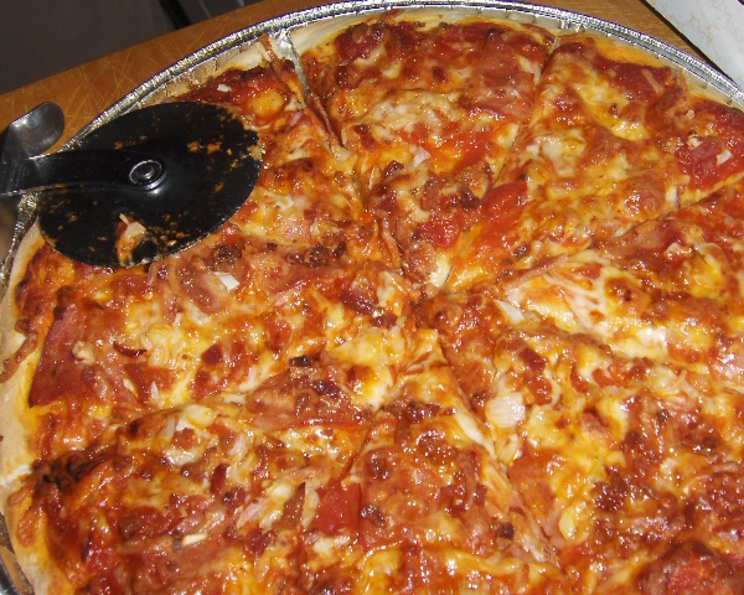
Pizza Marinara (Aka Real Italian Pizza!)
The scent of oregano and baking dough – it instantly transports me back to a tiny trattoria nestled in a cobblestone alley in Naples. My first taste of authentic Pizza Marinara, simple yet sublime, was a revelation. The tangy tomatoes, fragrant herbs, and perfectly charred crust – that’s the essence of Italian pizza, and it’s an experience I’ve been chasing in my kitchen ever since. This recipe captures that magic, a testament to the beauty of simple, fresh ingredients.
Recipe Overview
- Prep Time: 20 minutes
- Cook Time: 20-30 minutes
- Total Time: 40-50 minutes
- Servings: 4-6
- Yield: 1 pizza
- Dietary Type: Vegetarian
Ingredients
- 1 cup lukewarm water
- 2 1/4 teaspoons active dry yeast
- 1 teaspoon sugar
- 1 teaspoon salt
- 1 tablespoon extra virgin olive oil
- 2-3 cups unbleached flour or 2-3 cups bread flour (plus more for dusting)
- 1 teaspoon cornmeal
- Fresh tomatoes or pizza sauce
- Oregano
- Shredded mozzarella cheese (optional)
- Pizza toppings (optional)
Equipment Needed
- Large mixing bowl
- Measuring cups and spoons
- Baking sheet or pizza stone
- Pizza cutter or large knife
Instructions
- In a large mixing bowl, pour in the lukewarm water. Sprinkle the active dry yeast over the water and let it sit for 5 minutes. This allows the yeast to activate and bloom.
- After 5 minutes, stir the yeast into the water until dissolved. Add the sugar, salt, and extra virgin olive oil. Beat the mixture well to combine all the ingredients.
- Stir in about half of the flour (approximately 1-1.5 cups). Use a spoon or your hands to mix until a shaggy dough begins to form.
- Beat the mixture until it becomes smooth. This helps to develop the gluten in the flour, which will give the pizza its characteristic chewy texture.
- Gradually add the remaining flour, a little at a time, until the dough is just firm enough to manage. You might not need all of the flour; the exact amount depends on the humidity and the type of flour you’re using.
- Turn the dough out onto a lightly floured surface and knead it for about 5 minutes. Kneading develops the gluten further, resulting in a smoother, more elastic dough. The dough should be smooth and slightly tacky, but not sticky.
- Form the dough into a ball and then flatten it slightly.
- Sprinkle cornmeal over your baking sheet or pizza stone. This prevents the dough from sticking and adds a nice, subtle texture to the crust. Stretch or roll the dough out to your desired size and shape.
- Transfer the dough to the prepared baking sheet. Make ridges around the edges of the dough to create a crust.
- Let the dough rise for 15 minutes. This allows the dough to relax and become lighter, resulting in a more airy crust.
- Lightly brush or spray the dough with olive oil. This helps the crust to brown evenly and adds flavor.
- Add your choice of toppings. For a classic Pizza Marinara, use fresh tomatoes or pizza sauce, oregano, and optionally some shredded mozzarella cheese. You can also add other pizza toppings according to your preference.
- Preheat your oven to 425°F (220°C). Bake the pizza for 20-30 minutes, or until the crust is golden brown and the cheese (if using) is melted and bubbly. Keep a close eye on the pizza during the last few minutes of baking to prevent the crust from burning.
Expert Tips & Tricks
- Yeast Activation: Make sure your water isn’t too hot, as this can kill the yeast. Lukewarm is ideal. If you’re unsure about your yeast’s viability, proof it by adding it to the warm water with the sugar. If it doesn’t foam up after 5-10 minutes, it’s likely dead and you’ll need to use fresh yeast.
- Dough Consistency: Don’t add too much flour at once. The dough should be slightly tacky, not dry and stiff. A slightly wetter dough will result in a more tender and airy crust.
- Preheating is Key: Preheat your baking sheet or pizza stone in the oven for at least 30 minutes before baking. This will help the crust to cook evenly and become crispy.
- Crust Perfection: For an extra crispy crust, try placing the pizza directly on the preheated pizza stone. Be careful when transferring the pizza to the hot stone.
- Flavor Boost: For a more intense flavor, drizzle a little extra virgin olive oil over the pizza after it comes out of the oven. You can also add a sprinkle of fresh basil or oregano.
Serving & Storage Suggestions
Serve your Pizza Marinara hot and fresh from the oven. For a complete meal, pair it with a simple green salad or a bowl of minestrone soup.
Leftover pizza can be stored in the refrigerator for up to 3 days. To reheat, you can use the oven, microwave, or skillet. The oven will give you the best results, but the microwave is the quickest option. To reheat in the oven, preheat it to 350°F (175°C) and bake the pizza for 5-10 minutes, or until heated through. To reheat in a skillet, heat a lightly oiled skillet over medium heat and cook the pizza for 2-3 minutes per side, or until heated through and the crust is crispy.
Pizza can also be frozen for longer storage. To freeze, let the pizza cool completely, then wrap it tightly in plastic wrap and then in foil. Frozen pizza can be stored for up to 2 months. To reheat, thaw the pizza in the refrigerator overnight, then bake as directed above.
Nutritional Information
| Nutrient | Amount per Serving | % Daily Value |
|---|---|---|
| Calories | 271 kcal | N/A |
| Total Fat | 4.2 g | 6% |
| Saturated Fat | 0.6 g | 2% |
| Cholesterol | 0 mg | 0% |
| Sodium | 585.9 mg | 24% |
| Total Carbohydrate | 50.2 g | 16% |
| Dietary Fiber | 2.3 g | 9% |
| Sugars | 1.2 g | 4% |
| Protein | 7.4 g | 14% |
Note: Nutritional information is an estimate and may vary depending on ingredients and portion sizes.
Variations & Substitutions
- Gluten-Free Crust: Use a gluten-free pizza crust mix or recipe for a gluten-free version.
- Whole Wheat Crust: Substitute half of the unbleached flour with whole wheat flour for a heartier crust.
- Spicy Marinara: Add a pinch of red pepper flakes to the tomato sauce for a spicy kick.
- Vegan Marinara: Omit the mozzarella cheese for a completely vegan pizza. You can also add vegan parmesan cheese or nutritional yeast for a cheesy flavor.
- Seasonal Toppings: Customize your pizza with seasonal vegetables, such as roasted bell peppers, zucchini, or eggplant.
FAQs (Frequently Asked Questions)
Q: Can I use instant dry yeast instead of active dry yeast?
A: Yes, you can use instant dry yeast. You don’t need to activate it in water first; simply add it to the flour and other dry ingredients.
Q: How can I make the pizza dough ahead of time?
A: You can make the pizza dough ahead of time and store it in the refrigerator for up to 2 days. Wrap the dough tightly in plastic wrap and let it rise in the refrigerator. When you’re ready to use it, take it out of the refrigerator and let it come to room temperature for about 30 minutes before stretching it out.
Q: Can I freeze the pizza dough?
A: Yes, you can freeze the pizza dough. Wrap it tightly in plastic wrap and then in foil. Frozen pizza dough can be stored for up to 2 months. Thaw it in the refrigerator overnight before using.
Q: My pizza crust is tough. What did I do wrong?
A: Over-kneading the dough or using too much flour can result in a tough crust. Be careful not to over-knead the dough and use just enough flour to make it manageable.
Q: My pizza crust is soggy. What can I do?
A: Make sure your oven is hot enough and that you’re not using too much sauce or toppings. You can also pre-bake the crust for a few minutes before adding the toppings to help prevent it from becoming soggy.
Final Thoughts
This Pizza Marinara recipe is more than just a set of instructions; it’s an invitation to create a little piece of Italy in your own kitchen. Don’t be afraid to experiment with different toppings and customize it to your liking. Share your creations with friends and family, and most importantly, enjoy the process of making something delicious from scratch. Pair it with a crisp Italian white wine or a refreshing Aperol spritz for the ultimate experience. Buon appetito!