
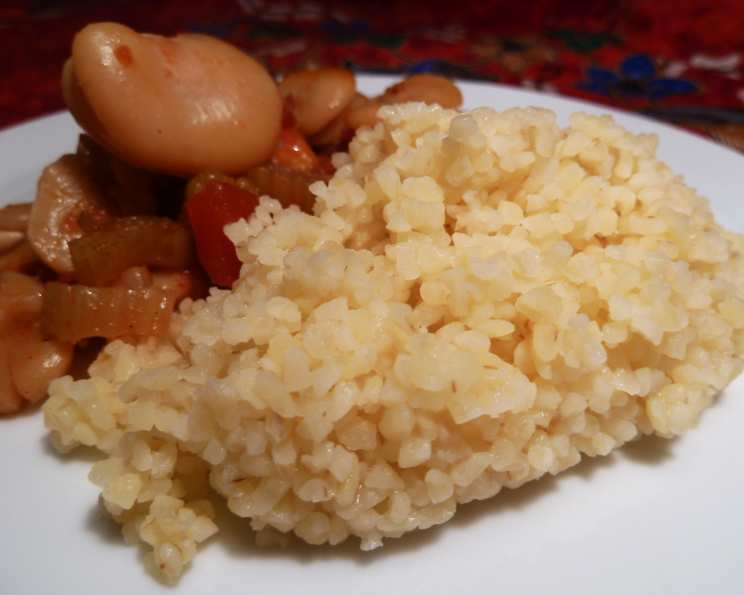
The Humble Grain: Mastering Plain Bulgur
My grandmother, a woman whose kitchen was a constant source of warmth and fragrant aromas, always had a pot of bulgur simmering on the stove. It wasn’t a flashy dish, but it was a staple – a blank canvas ready to absorb the flavors of whatever else she was cooking. I remember the earthy scent filling her small apartment, a promise of simple, wholesome goodness. Even now, the aroma of cooked bulgur instantly transports me back to her cozy kitchen, a reminder of the comforting power of simple ingredients.
Recipe Overview
- Prep Time: 5 minutes
- Cook Time: 15-20 minutes (for cooked method) / 10 minutes (for soaked method)
- Total Time: 20-25 minutes (for cooked method) / 15 minutes (for soaked method)
- Servings: 4
- Dietary Type: Vegan
Ingredients
- 1 cup bulgur
- 2 cups water (for cooked method) OR 1 1/2 cups boiling water (for soaked method)
Equipment Needed
- Medium saucepan with lid (for cooked method)
- Medium bowl (for soaked method)
- Fork
Instructions
Bulgur is a wonderfully versatile grain, and there are two main methods for preparing it: cooking and soaking. Both are incredibly simple, offering a delicious and nutritious base for countless meals. Here’s how to master both techniques:
Cooking Bulgur:
- In a medium saucepan, combine 1 cup of bulgur and 2 cups of water.
- Bring the mixture to a boil over high heat.
- Once boiling, reduce the heat to low, cover the saucepan with a lid, and simmer.
- Simmer for 15 to 20 minutes, or until all the liquid has been absorbed. Keep an eye on it; you want the bulgur to be tender and fluffy.
- Remove from heat and let stand for a few minutes, covered.
- Finally, fluff the cooked bulgur with a fork to separate the grains.
Soaking Bulgur:
- Place 1 cup of bulgur in a medium bowl.
- Pour 1 1/2 cups of boiling water over the bulgur. Make sure all the bulgur is submerged.
- Cover the bowl tightly with a lid or plastic wrap to trap the steam.
- Let the bulgur sit for 10 minutes, allowing it to absorb the water and soften.
- After 10 minutes, fluff the soaked bulgur with a fork.
Expert Tips & Tricks
- Toast the Bulgur: Before adding the water (for either method), toast the dry bulgur in the saucepan over medium heat for a few minutes. This will bring out a nutty flavor and enhance its overall taste. Be careful not to burn it!
- Use Broth: For a richer flavor, substitute vegetable or chicken broth for water. This infuses the bulgur with savory notes.
- Adjust Liquid Ratio: The water-to-bulgur ratio can be adjusted slightly depending on your desired consistency. If you prefer a softer bulgur, add a bit more water. If you like it firmer, use a little less.
- Don’t Overcook: Overcooked bulgur can become mushy. Check for doneness at the 15-minute mark when cooking and adjust accordingly.
- Flavor Infusion: Add herbs, spices, or a drizzle of olive oil to the water before cooking or soaking to infuse the bulgur with extra flavor. Try adding a bay leaf, a sprig of thyme, or a pinch of turmeric.
- Pre-Soaking for Faster Cooking: Soaking the bulgur in cold water for about 30 minutes before cooking can reduce the cooking time. Drain the bulgur well before adding it to the saucepan with fresh water or broth.
Serving & Storage Suggestions
Plain bulgur is incredibly versatile and can be served in countless ways. Here are a few suggestions:
- As a side dish: Serve it alongside grilled meats, roasted vegetables, or stews.
- In salads: Combine it with chopped vegetables, herbs, and a vinaigrette for a refreshing and healthy salad.
- As a base for bowls: Top it with your favorite protein, vegetables, and sauces for a complete and satisfying meal.
- In soups and stews: Add it to soups and stews for extra texture and nutrition.
Storage:
- Room Temperature: Cooked bulgur can be left at room temperature for no more than two hours.
- Refrigerator: Store leftover cooked bulgur in an airtight container in the refrigerator for up to 3-4 days.
- Freezer: For longer storage, freeze cooked bulgur in an airtight container or freezer bag for up to 2-3 months. Thaw in the refrigerator overnight before reheating.
Reheating:
- Microwave: Reheat in the microwave for 1-2 minutes, or until heated through. Add a tablespoon of water or broth to prevent it from drying out.
- Stovetop: Reheat in a saucepan over low heat, adding a splash of water or broth. Stir occasionally until heated through.
Nutritional Information
| Nutrient | Amount per Serving | % Daily Value |
|---|---|---|
| Calories | 239 kcal | N/A |
| Total Fat | 0.9g | 1% |
| Saturated Fat | 0.2g | 0% |
| Cholesterol | 0mg | 0% |
| Sodium | 18mg | 0% |
| Total Carbohydrate | 53.1g | 17% |
| Dietary Fiber | 12.8g | 51% |
| Sugars | 0.3g | 1% |
| Protein | 8.6g | 17% |
Variations & Substitutions
- Spice it Up: Add spices like cumin, coriander, or paprika to the cooking water for a flavor boost.
- Herbed Bulgur: Stir in fresh herbs like parsley, cilantro, or dill after cooking.
- Nutty Bulgur: Add toasted nuts like almonds, walnuts, or pecans for added crunch and flavor.
- Dried Fruit: Incorporate dried cranberries, raisins, or apricots for a touch of sweetness.
- Vegetable Bulgur: Sauté chopped vegetables like onions, carrots, and celery before adding the bulgur and water.
- Lemon Bulgur: Add lemon zest and juice to the cooked bulgur for a bright and refreshing flavor.
- Gluten-Free Option: While bulgur is a wheat product and contains gluten, those seeking gluten-free alternatives can explore similar dishes using quinoa, rice, or millet.
FAQs (Frequently Asked Questions)
Q: What is bulgur made from?
A: Bulgur is a whole wheat grain that has been cracked and partially pre-cooked. This process makes it quicker to prepare than whole wheat berries.
Q: What is the difference between bulgur and cracked wheat?
A: While both are cracked wheat, bulgur is parboiled (partially cooked) while cracked wheat is not. This means bulgur cooks faster.
Q: Can I use bulgur in place of rice?
A: Yes, bulgur is a great substitute for rice in many dishes. It has a nuttier flavor and a slightly chewier texture.
Q: How do I know when the bulgur is cooked properly?
A: Cooked bulgur should be tender and fluffy, with all the liquid absorbed. If it’s still crunchy, add a little more water and continue cooking.
Q: Is bulgur a healthy grain?
A: Yes, bulgur is a healthy grain that is high in fiber, protein, and minerals. It’s a good source of energy and can help regulate blood sugar levels.
Final Thoughts
Bulgur, in its unassuming simplicity, holds the potential to become a culinary workhorse in your kitchen. Whether you choose to cook or soak it, the process is straightforward, and the possibilities are endless. I urge you to experiment with different flavors, spices, and additions to create your own signature bulgur dish. Share your creations, and don’t hesitate to ask questions. Happy cooking!