
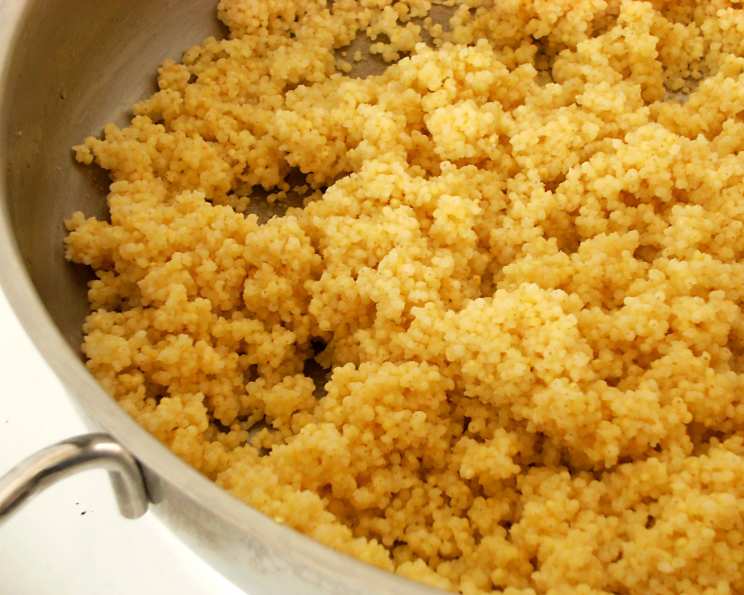
The Humble Grain, Elevated: Mastering the Art of Cooking Plain Millet
I remember the first time I encountered millet. It was at a potluck hosted by a dear friend who was deeply committed to sustainable eating. I eyed the unassuming bowl of tiny, pale grains with a healthy dose of skepticism. But one bite, and I was hooked! The slightly nutty flavor, the delicate texture – it was unlike anything I’d tried before. I’ve since learned to appreciate millet for its versatility and nutritional power, and I’m excited to share my go-to method for preparing it perfectly every time.
Recipe Overview
- Prep Time: 5 minutes
- Cook Time: 25 minutes
- Total Time: 30 minutes
- Servings: 4
- Dietary Type: Gluten-Free, Vegan
Ingredients
- 1 cup millet
- 3 cups water
- 1 pinch salt
Equipment Needed
- Large frying pan
- Large saucepan with lid
- Fork
Instructions
-
Begin by thoroughly washing the millet. This removes any excess starch and debris.
-
Now, for the secret to truly delicious millet: toasting. Place the rinsed millet in a large frying pan over medium heat.
-
Cook, shaking the pan frequently to prevent burning, for about 10 minutes, or until the millet grains turn a light golden brown and release a nutty aroma. The toasting process enhances the natural flavors of the millet and gives it a wonderful depth.
-
While the millet is toasting (or after, if you prefer to multitask less!), bring the water and salt to a boil in a large saucepan.
-
Once the water is boiling, carefully add the toasted millet.
-
Reduce the heat to low, cover the saucepan tightly, and simmer for 15 to 20 minutes, or until all the water is absorbed. The timing may vary slightly depending on your stove and the size of your saucepan.
-
After simmering, turn off the heat and let the millet sit, covered, for another 5 minutes. This allows the grains to fully steam and become tender.
-
Finally, fluff the millet with a fork to separate the grains and prevent them from clumping together. This creates a light and airy texture.
Expert Tips & Tricks
- Toasting is key: Don’t skip the toasting step! It really does make a difference in the final flavor of the millet. Keep a close eye on the millet while toasting, as it can burn easily.
- Adjust the water: While this recipe yields a softer millet, for a firmer texture, you can reduce the amount of water to 2 cups instead of 3, as suggested by Lalaloula.
- Flavor boost: Add a bay leaf or a sprig of thyme to the water while simmering for an extra layer of flavor.
- Make it ahead: Cooked millet can be stored in the refrigerator for up to 4 days. This makes it a great option for meal prepping.
- Prevent sticking: If you find that the millet is sticking to the bottom of the pan, try adding a teaspoon of oil or butter to the water before simmering.
Serving & Storage Suggestions
Plain cooked millet is incredibly versatile. Serve it as a side dish with roasted vegetables, grilled meats, or stir-fries. Use it as a base for grain bowls, topping it with your favorite proteins, vegetables, and sauces. You can also incorporate it into salads, soups, and even breakfast porridges.
To store leftovers, allow the millet to cool completely before transferring it to an airtight container. Store it in the refrigerator for up to 4 days or in the freezer for up to 2 months. To reheat, simply microwave it with a splash of water or broth, or steam it on the stovetop.
Nutritional Information
| Nutrient | Amount per Serving | % Daily Value |
|---|---|---|
| Calories | 189 kcal | – |
| Calories from Fat | – | – |
| Total Fat | 2.1 g | 3% |
| Saturated Fat | 0.4 g | 1% |
| Cholesterol | 0 mg | 0% |
| Sodium | 44.8 mg | 1% |
| Total Carbohydrate | 36.4 g | 12% |
| Dietary Fiber | 4.2 g | 17% |
| Sugars | 0 g | 0% |
| Protein | 5.5 g | 11% |
Note: Nutritional information is an estimate and may vary based on specific ingredients and preparation methods.
Variations & Substitutions
- Savory Millet: Instead of water, use vegetable broth or chicken broth for a richer flavor. Add chopped vegetables like carrots, celery, and onions to the pot while simmering.
- Sweet Millet: Cook the millet with milk (dairy or non-dairy) instead of water. Add a touch of maple syrup, honey, or agave for sweetness. Stir in dried fruits, nuts, and spices like cinnamon and nutmeg.
- Mediterranean Millet: Add sun-dried tomatoes, Kalamata olives, feta cheese (or a vegan alternative), and fresh herbs like oregano and basil to the cooked millet.
- Spiced Millet: Infuse the cooking water with spices like turmeric, cumin, and coriander for a warm and aromatic flavor.
FAQs (Frequently Asked Questions)
Q: Do I really need to toast the millet?
A: While you can skip the toasting step, it significantly enhances the flavor and texture of the millet. Toasting brings out the nutty notes and prevents the grains from becoming mushy.
Q: Can I cook millet in a rice cooker?
A: Yes, you can! Use the same water-to-millet ratio and follow your rice cooker’s instructions.
Q: What if all the water is absorbed but the millet is still hard?
A: Add a little more water (about 1/4 cup) and continue to simmer until the millet is tender.
Q: Can I use a different type of salt?
A: Absolutely! Feel free to use sea salt, kosher salt, or any other salt you prefer. Adjust the amount to your taste.
Q: Is millet gluten-free?
A: Yes, millet is naturally gluten-free, making it a great option for those with gluten sensitivities or celiac disease.
Final Thoughts
Millet, often overlooked, is a true gem in the world of whole grains. Its mild flavor and adaptable texture make it a welcome addition to countless dishes. Don’t be intimidated by this ancient grain – with just a few simple steps, you can transform it into a delicious and nutritious meal. So, give this recipe a try, experiment with different flavors, and discover the magic of plain millet! I’d love to hear about your culinary creations and any variations you come up with. Happy cooking!