
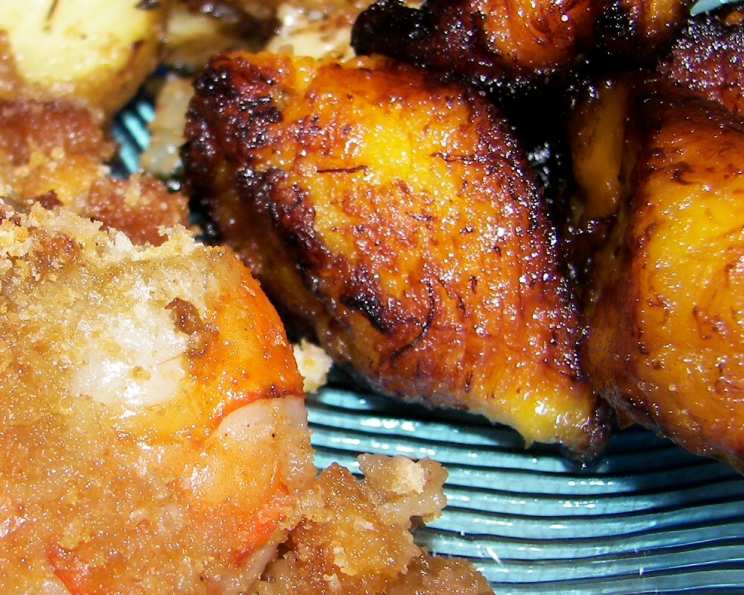
Plátanos Maduros: Sweet Fried Plantains from Costa Rica
The first time I tasted plátanos maduros, I was utterly transported. It was in a small, open-air soda (a Costa Rican diner) overlooking the Pacific, the air thick with the scent of salt and grilling meat. I’d ordered the casado, the ubiquitous Costa Rican lunch plate, and these glistening, caramelized plantains were nestled beside the rice, beans, and chicken. Their sweetness, a concentrated burst of tropical sunshine, cut through the savory elements perfectly. It was a flavor I knew I’d never forget – a taste of pura vida itself.
Recipe Overview
- Prep Time: 5 minutes
- Cook Time: 10 minutes
- Total Time: 15 minutes
- Servings: 4
- Dietary Type: Gluten-Free
Ingredients
- 4 ripe dark-skinned plantains
- 5 tablespoons vegetable oil
Equipment Needed
- Large skillet
- Tongs or spatula
Instructions
-
Heat the vegetable oil in a large skillet over medium heat. Be patient and allow the oil to get hot before adding the plantains; this ensures even cooking and prevents sticking.
-
Fully peel the plantains. The peel should easily come away from the flesh. If it’s difficult, the plantains might not be ripe enough.
-
Cut the peeled plantains diagonally into approximately 1-inch wide pieces, working your way down the length of each plantain. It’s important to cut them diagonally and not lengthwise. This exposes more surface area for caramelization, resulting in a richer flavor.
-
Carefully place the plantain pieces in the hot skillet, ensuring they are not overcrowded. Work in batches if necessary to avoid lowering the oil temperature too much, which can lead to soggy plantains.
-
Flipping often with tongs or a spatula, fry the plantains until they are golden brown on all sides. This usually takes about 5-7 minutes per side, depending on the heat of your skillet and the ripeness of the plantains. The plantains will become quite soft and almost mushy as they cook – this is exactly what you want! This tenderness contributes to their delightful texture.
-
Remove the fried plantains from the skillet and place them on a plate lined with paper towels to drain any excess oil.
Expert Tips & Tricks
-
Ripeness is Key: Use plantains that are very ripe – almost black. The peel should be mostly dark brown or black, with just a few yellow spots. These plantains have the highest sugar content and will caramelize beautifully, resulting in the sweetest and most flavorful plátanos maduros.
-
Don’t Overcrowd: As mentioned above, overcrowding the pan lowers the oil temperature and causes the plantains to steam instead of fry. Cook in batches for best results.
-
Even Cuts: While a rustic approach is fine, try to cut the plantains into roughly the same size pieces. This helps them cook evenly.
-
Adjust the Heat: If the plantains are browning too quickly, reduce the heat slightly. You want them to caramelize and soften without burning.
-
Optional Sweetener: While ripe plantains are naturally sweet, you can sprinkle them with a little sugar (brown or white) before cooking if you desire an extra-sweet treat. Some cooks in Costa Rica prefer a very light dusting of cinnamon as well.
Serving & Storage Suggestions
Plátanos maduros are best served warm, immediately after cooking. They are a fantastic accompaniment to savory dishes like rice and beans (gallo pinto), grilled chicken or fish, or even a simple omelet. In Costa Rica, they are often a component of the casado, a traditional lunch plate.
Leftovers can be stored in an airtight container in the refrigerator for up to 3 days. To reheat, you can gently warm them in a skillet over low heat or microwave them for a short period. Be aware that they might lose some of their crispness upon reheating, but they will still be delicious. They are best eaten shortly after cooking, and reheating is not generally recommended.
Nutritional Information
| Nutrient | Amount per Serving | % Daily Value |
|---|---|---|
| Calories | 214 kcal | 11% |
| Total Fat | 8g | 12% |
| Saturated Fat | 1g | 5% |
| Cholesterol | 0 mg | 0% |
| Sodium | 2 mg | 0% |
| Total Carbohydrate | 36g | 12% |
| Dietary Fiber | 2g | 8% |
| Sugars | 17g | – |
| Protein | 1g | 2% |
Nutritional information is an estimate and may vary based on specific ingredients and cooking methods.
Variations & Substitutions
-
Coconut Oil: Substitute coconut oil for vegetable oil for a slightly sweeter, tropical flavor.
-
Spiced Plantains: Add a pinch of ground cinnamon or nutmeg to the plantains while frying for a warm, spiced variation.
-
Baked Plantains: For a healthier option, bake the plantains instead of frying. Preheat oven to 375°F (190°C). Toss the plantain slices with a little oil and bake for 20-25 minutes, flipping halfway through, until softened and caramelized. This will not replicate the texture of fried plantains completely.
-
Plantain Boats: Cut the plantains lengthwise and stuff them with cheese before frying.
FAQs (Frequently Asked Questions)
Q: Can I use green plantains for this recipe?
A: No, you need ripe (very dark-skinned) plantains for plátanos maduros. Green plantains are used for dishes like patacones (fried green plantain chips) and have a completely different flavor and texture.
Q: My plantains are sticking to the pan. What am I doing wrong?
A: The oil might not be hot enough, or the pan may not be non-stick. Make sure the oil is shimmering before adding the plantains, and use a non-stick skillet if possible.
Q: How can I tell if the plantains are ripe enough?
A: The peel should be mostly dark brown or black, and the plantain should feel slightly soft to the touch.
Q: Are plátanos maduros a dessert?
A: While they are sweet and often enjoyed as part of a meal, they aren’t typically considered a dessert in the traditional sense. They are usually served as a side dish to complement savory flavors.
Q: Can I add salt to plátanos maduros?
A: While traditionally served sweet, a pinch of salt can enhance the sweetness and create a more complex flavor profile. It is a matter of personal preference.
Final Thoughts
Plátanos maduros are more than just fried plantains; they are a taste of Costa Rican sunshine and pura vida. This simple recipe is incredibly easy to make and requires only a few ingredients, but the results are truly magical. I encourage you to try it, experiment with your spices, and share this taste of the tropics with your friends and family. Let me know what you think! What dish would you pair your plátanos maduros with?