
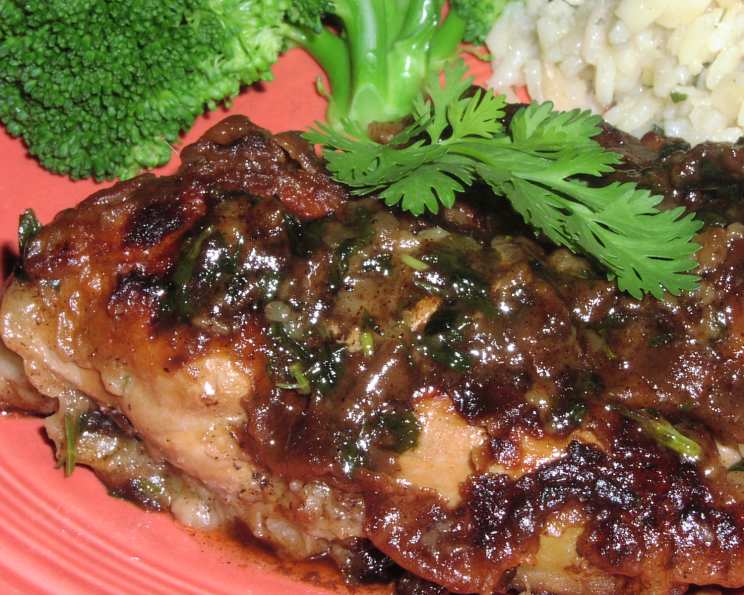
Pleasant Pheasant: A Flavorful and Versatile Dish
I remember the first time I ever tasted pheasant. It was at a small family-run restaurant nestled in the rolling hills of Tuscany. The dish, simply prepared with herbs and olive oil, was a revelation. The meat was unlike anything I’d ever experienced – subtly gamey, incredibly tender, and infused with the flavors of the Tuscan countryside. It was a culinary experience that sparked a lifelong appreciation for this wonderful bird, and I’m thrilled to share this approachable recipe that allows you to explore pheasant’s unique flavor profile at home. This recipe reminds me of that initial experience; simple flavors enhanced by top-quality ingredients.
Recipe Overview
- Prep Time: 15 minutes
- Cook Time: 20-30 minutes (plus marinating time)
- Total Time: 35-45 minutes (plus marinating time)
- Servings: 4
- Yield: 4 pheasant breasts
- Dietary Type: Gluten-Free (if using gluten-free flour)
Ingredients
- 4 boneless, skinless pheasant breasts
Marinade (or substitute your favorite)
- 1/4 cup soy sauce
- 2 garlic cloves, sliced
- 1/4 cup onion, diced
- 2 tablespoons honey
- 1/4 cup rice vinegar
Remaining Ingredients
- 1/2 cup flour
- 2-4 tablespoons butter
- 1/2 – 1 cup chicken broth
- 1/4 cup cilantro, chopped
Equipment Needed
- Frying pan
- Mixing bowl (for marinade)
- Plate or shallow dish (for flouring)
- Lid for frying pan
Instructions
-
Marinate the pheasant breasts: In a mixing bowl, combine the soy sauce, sliced garlic, diced onion, honey, and rice vinegar. Place the pheasant breasts in the marinade, ensuring they are well coated. Cover and refrigerate overnight, or for as long as possible (at least 4 hours). This allows the flavors to penetrate the meat, resulting in a more tender and flavorful dish.
-
Prepare the pheasant for cooking: Remove the pheasant breasts from the marinade. Do not rinse them. Instead, leave the marinade clinging to the meat. This will help the flour adhere and create a delicious crust. Place the flour on a plate or shallow dish. Dredge each pheasant breast in the flour, ensuring it is fully coated.
-
Brown the pheasant: Heat a frying pan over medium-high heat. Add the butter and allow it to melt completely. Once the butter is melted and the pan is hot, carefully place the floured pheasant breasts in the pan.
-
Sear and add broth: Allow the pheasant to brown on each side, approximately 3-4 minutes per side. Once browned, add 1/4 cup of chicken broth to the pan, or enough to create a layer of liquid on the bottom. Stir in the chopped cilantro.
-
Simmer and cook through: Cover the pan with a lid. Reduce the heat to medium-low and allow the pheasant to cook for 4-6 minutes per side, or until cooked through. The internal temperature should reach 165°F (74°C). Be careful not to let all the chicken broth cook off, as this could cause the pheasant to burn. Add more broth if necessary to maintain some liquid in the pan.
-
Make the gravy: Once the pheasant is cooked through, remove it from the pan and set it aside to rest. Add the remaining chicken broth to the pan, a little at a time, while scraping the bottom of the pan with a spoon or spatula to loosen any browned bits. This will create a flavorful gravy. Continue to simmer the gravy for a few minutes, until it thickens slightly.
-
Serve: Slice the pheasant breasts and serve them with the gravy poured over the top. This dish is delicious served over white rice or noodles.
Expert Tips & Tricks
- Don’t overcrowd the pan: When browning the pheasant breasts, make sure not to overcrowd the pan. This will lower the temperature of the pan and prevent the pheasant from browning properly. If necessary, cook the pheasant in batches.
- Use a meat thermometer: To ensure the pheasant is cooked through, use a meat thermometer to check the internal temperature. Insert the thermometer into the thickest part of the breast, avoiding bone. The internal temperature should reach 165°F (74°C).
- Rest the meat: After cooking, allow the pheasant to rest for a few minutes before slicing. This will allow the juices to redistribute, resulting in a more tender and flavorful dish.
- Adjust the gravy: If the gravy is too thin, simmer it for a few more minutes to allow it to thicken. If it’s too thick, add a little more chicken broth to thin it out.
- Marinate variations: Feel free to experiment with different marinades to create your own unique flavor profiles. A lemon-herb marinade or a spicy chili marinade would both be delicious.
Serving & Storage Suggestions
This Pleasant Pheasant dish is best served immediately while the meat is tender and the gravy is warm. Garnish with fresh cilantro sprigs for an extra touch of freshness.
- Leftovers: Store any leftover pheasant and gravy in an airtight container in the refrigerator. It will keep for up to 3 days.
- Reheating: To reheat, gently warm the pheasant and gravy in a pan over low heat, or microwave in short intervals until heated through. Add a splash of chicken broth or water if the gravy becomes too thick.
Nutritional Information
(Estimated, per serving)
| Nutrient | Amount per Serving | % Daily Value |
|---|---|---|
| Calories | 250 kcal | 13% |
| Total Fat | 12g | 18% |
| Saturated Fat | 5g | 25% |
| Cholesterol | 80mg | 27% |
| Sodium | 800mg | 35% |
| Total Carbohydrate | 10g | 4% |
| Dietary Fiber | 1g | 4% |
| Sugars | 5g | – |
| Protein | 25g | 50% |
Variations & Substitutions
- Gluten-Free: Use gluten-free flour for dredging the pheasant to make this dish gluten-free.
- Marinade Swap: Experiment with your favorite marinades. Teriyaki, balsamic, or even a simple blend of olive oil, lemon juice, and herbs would work well.
- Chicken Noodle Soup Variation: Instead of chicken broth, use chicken noodle soup and some water for a heartier and flavorful sauce.
- Oven Method: After browning the pheasant and adding the liquid (or soup with water), place the pan in a 350-degree oven for 20-30 minutes. Then proceed with the gravy-making instructions.
FAQs (Frequently Asked Questions)
Q: Can I use frozen pheasant breasts for this recipe?
A: Yes, you can. Make sure to thaw them completely before marinating. Pat them dry with paper towels before dredging in flour.
Q: How do I know when the pheasant is cooked through?
A: The best way is to use a meat thermometer. The internal temperature should reach 165°F (74°C). The meat should also be firm to the touch and the juices should run clear when pierced with a fork.
Q: Can I make this dish ahead of time?
A: While it’s best served fresh, you can marinate the pheasant breasts a day in advance. You can also make the gravy ahead of time and store it in the refrigerator.
Q: What sides go well with this dish?
A: This Pleasant Pheasant pairs perfectly with rice, noodles, roasted vegetables, or a fresh salad.
Q: Can I use a different type of vinegar in the marinade?
A: Yes, you can substitute the rice vinegar with apple cider vinegar or white wine vinegar. Just be mindful of the flavor profile, as different vinegars will impart slightly different tastes.
Final Thoughts
This Pleasant Pheasant recipe is a wonderfully simple yet flavorful way to enjoy this unique game bird. Don’t be afraid to experiment with different marinades and variations to find your perfect combination. The key is to ensure that the pheasant is cooked properly and remains tender and juicy. I hope you enjoy preparing and savoring this dish. Let me know in the comments how it turns out and what variations you tried!