
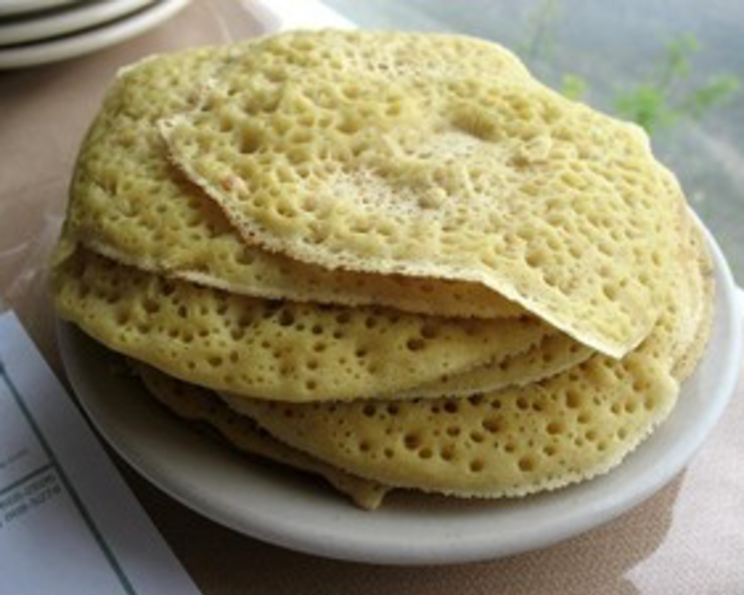
Mastering the Ploye: A Taste of Acadian Heritage
The aroma of buckwheat always brings me back to my grandmother’s kitchen in Madawaska, Maine. She’d stand by her well-seasoned cast iron skillet, a symphony of sizzles and the comforting scent of ploye filling the air. It wasn’t just a meal; it was a tradition, a tangible connection to our Acadian roots. Watching her effortlessly create these simple yet satisfying flatbreads, I knew one day I’d carry on the ploye-making tradition in my own kitchen.
Recipe Overview
- Prep Time: 10 minutes
- Cook Time: 20 minutes
- Total Time: 30 minutes
- Servings: Varies (approximately 20 ployes)
- Yields: 20 ployes
- Dietary Type: Vegetarian (easily made vegan)
Ingredients
- 2 cups buckwheat flour (farine de sarrasin in French)
- 1 cup all-purpose flour
- 3 teaspoons baking powder
- 1 teaspoon salt
- 2 cups cold water
- 1 cup boiling water
Equipment Needed
- Mixing bowls
- Whisk
- Cast iron skillet or griddle
- Breakfast plate (optional, for cooking multiple ployes at once)
Instructions
- In a large mixing bowl, combine the buckwheat flour, all-purpose flour, baking powder, and salt. Whisk the dry ingredients together until they are well combined and evenly distributed.
- Add the 2 cups of cold water to the dry ingredients. Mix with a whisk until you have a relatively smooth batter. It’s okay if there are a few lumps, as they will dissolve in the next step.
- Let the batter stand for 5 minutes. This allows the buckwheat flour to fully hydrate, which contributes to the ploye’s unique texture.
- Add the 1 cup of boiling water to the batter. Mix vigorously with the whisk. The batter should become thinner and smoother. The boiling water helps to cook the flour slightly and create a lighter texture.
- Check the consistency of the batter. If it appears too thick, add a small amount of cold water until it reaches a pourable consistency, similar to a thin pancake batter. Remember, you want it to spread easily on the hot skillet.
- Heat a cast iron skillet or griddle over medium heat. Traditionally, a cast iron skillet is preferred for its even heat distribution, which helps to create a perfectly cooked ploye. However, a non-stick griddle will also work well. You can test the heat by flicking a few drops of water onto the surface; they should sizzle and evaporate quickly.
- Pour the batter onto the hot skillet. Use a ladle or measuring cup to portion the batter. If using a cast iron skillet, pour enough batter to create a ploye approximately 6-8 inches in diameter. If using a breakfast plate or multiple smaller cooking surfaces, adjust the amount of batter accordingly.
- Let the ploye cook without flipping. As the ploye cooks, you will notice small holes appearing on the surface. This is a sign that it is cooking properly and that the baking powder is doing its job. The more holes, the lighter and more airy the ploye will be.
- Monitor the ploye carefully. The ploye is ready when the surface is no longer liquid and the edges are slightly dry. The bottom should be lightly browned. Avoid the temptation to flip the ploye, as it is traditionally cooked only on one side.
- Remove the cooked ploye from the skillet. Use a spatula to carefully lift the ploye from the skillet and transfer it to a plate or serving platter.
- Repeat with the remaining batter. Remember to mix the batter between each ploye to ensure that the ingredients remain evenly distributed. This will help to maintain a consistent texture and flavor throughout the batch.
- Serve immediately.
Expert Tips & Tricks
- Achieving the Right Batter Consistency: The batter consistency is key to a successful ploye. It should be thin enough to spread easily but not so thin that it becomes too delicate to handle. Start with the recommended amount of water and adjust as needed, adding small amounts of cold water until you reach the desired consistency.
- Cast Iron Seasoning is Crucial: A well-seasoned cast iron skillet is essential for preventing the ploye from sticking and ensuring even cooking. If your skillet is not well-seasoned, you may need to add a small amount of oil or butter to the surface before cooking each ploye.
- Mastering the Heat: Finding the right heat setting is important. If the heat is too low, the ploye will cook slowly and may become tough. If the heat is too high, the ploye will burn before it is fully cooked. Medium heat is usually ideal.
- Buckwheat Flour Notes: Buckwheat flour can vary in texture and flavor depending on the brand and variety. Experiment with different brands to find one that you like. You can also try using a combination of different types of buckwheat flour, such as light and dark buckwheat flour, to create a more complex flavor.
Serving & Storage Suggestions
Ployes are best served warm, straight from the skillet. The traditional way to enjoy them is to spread them with butter, roll them up, and eat them as is. They can also be served with a variety of toppings, such as:
- Molasses: A classic pairing, the sweet and rich molasses complements the earthy flavor of the buckwheat.
- Maple Syrup: Another popular choice, especially in regions where maple syrup is readily available.
- Cretons: A traditional Acadian pork spread, similar to pâté.
- Chicken Stew (Fricot): Ployes are fantastic for sopping up the delicious broth of a hearty chicken stew.
- Jam or Preserves: For a sweeter option, try spreading them with your favorite jam or preserves.
Storage: Leftover ployes can be stored in an airtight container at room temperature for up to 2 days or in the refrigerator for up to 5 days. To reheat, simply warm them in a skillet over low heat or in the microwave.
Nutritional Information
Note: Nutritional information is an estimate and may vary based on specific ingredients and preparation methods.
| Nutrient | Amount per Serving | % Daily Value |
|---|---|---|
| Calories | 63 kcal | 3% |
| Total Fat | 0.4 g | 1% |
| Saturated Fat | 0.1 g | 0% |
| Cholesterol | 0 mg | 0% |
| Sodium | 173 mg | 7% |
| Total Carbohydrate | 13.4 g | 4% |
| Dietary Fiber | 1.4 g | 5% |
| Sugars | 0.3 g | 1% |
| Protein | 2.2 g | 4% |
Variations & Substitutions
- Gluten-Free Ployes: Substitute the all-purpose flour with a gluten-free all-purpose blend. You may need to adjust the amount of water to achieve the desired consistency.
- Vegan Ployes: This recipe is already naturally vegan if you serve it without butter.
- Herbed Ployes: Add a teaspoon of dried herbs, such as savory or thyme, to the dry ingredients for a savory twist.
- Sweet Ployes: Add a tablespoon of sugar or maple syrup to the batter for a slightly sweeter ploye.
FAQs (Frequently Asked Questions)
Q: Why is buckwheat flour so important in this recipe?
A: Buckwheat flour provides the signature earthy flavor and slightly nutty taste that defines a ploye. It also contributes to the unique texture, which is slightly chewy and tender.
Q: Can I use all-purpose flour instead of buckwheat flour?
A: While you can, it won’t be a ploye. The buckwheat flour is what gives the ploye it’s unique taste and texture.
Q: What is the best way to tell if a ploye is cooked properly?
A: The surface of the ploye should no longer be liquid, and the edges should be slightly dry. The bottom should be lightly browned, but not burned.
Q: Can I freeze ployes for later?
A: Yes, you can freeze ployes. Allow them to cool completely, then wrap them individually in plastic wrap or freezer bags. They can be stored in the freezer for up to 2 months. Reheat them in a skillet or microwave.
Q: Why do I need to mix the batter between each ploye?
A: Mixing the batter between each ploye helps to ensure that the ingredients remain evenly distributed, preventing the heavier buckwheat flour from settling to the bottom.
Final Thoughts
Making ployes is more than just following a recipe; it’s about embracing a culinary heritage and creating memories. Whether you’re an experienced cook or just starting out, I encourage you to try this recipe and experience the simple pleasure of a homemade ploye. Share your creations with family and friends, and don’t hesitate to experiment with different toppings and variations to find your perfect ploye combination. Bon appétit!