
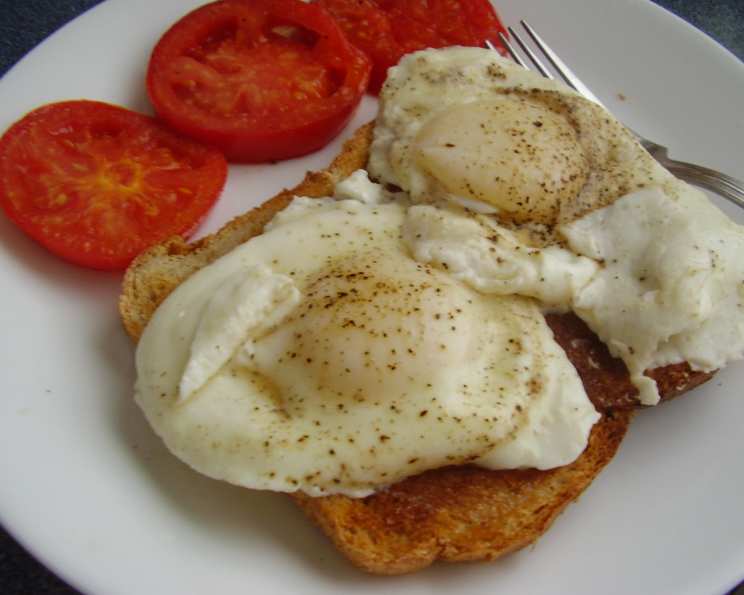
The Art of the Poached Egg: A Chef’s Guide
Poached eggs. For years, the mere mention of them sent shivers down my spine. My first attempt, during a particularly ambitious brunch service, resulted in a watery, stringy mess that resembled something more akin to alien spawn than a culinary delight. The memory of those failed eggs – and the disapproving glares of hungry patrons – fueled my determination to master this deceptively simple dish. Now, I can confidently say I’ve cracked the code, and I’m thrilled to share my secrets with you.
Recipe Overview
- Prep Time: 2 minutes
- Cook Time: 7 minutes
- Total Time: 9 minutes
- Servings: 1
- Dietary Type: Gluten-Free, Dairy-Free
Ingredients
- 1 egg
- 1 teaspoon vinegar
Equipment Needed
- Small skillet
- Slotted spoon
Instructions
- First, if you have an egg poacher you should use it and follow the manufacturers directions.
- Alternatively, fill a small skillet with water, about 2-3 inches deep. You want enough water for the egg to move freely, but not so much that it cools down too rapidly.
- Bring the water to a full, rolling boil over high heat. Watch closely, as you don’t want it to boil over.
- Once boiling, immediately reduce the heat to just below a simmer. You should see tiny bubbles gently rising to the surface, but the water shouldn’t be vigorously bubbling. This is crucial for a perfectly formed poached egg.
- Add 1 teaspoon of vinegar to the water. The vinegar helps the egg whites coagulate faster, preventing them from spreading out too much. White vinegar is traditional, but you can experiment with other vinegars for subtle flavor variations (more on that later!).
- Now comes the delicate part: carefully crack the egg into a small bowl or ramekin. This prevents the yolk from breaking and allows you to gently slide the egg into the water.
- Create a gentle whirlpool in the water by swirling it with a spoon. This helps the egg white wrap around the yolk, creating that signature poached egg shape.
- Gently slide the egg from the bowl into the center of the whirlpool. The water should be hot enough to immediately start setting the egg white.
- If the egg white starts to spread out too much, use a spoon to gently push it back towards the center of the egg. Don’t worry if a few wispy strands escape – that’s perfectly normal.
- Cook for approximately 4 minutes, depending on your desired doneness. For a runny yolk, 4 minutes is ideal. If you prefer a firmer yolk, cook for 5-6 minutes. You can gently poke the egg with a spoon to check its firmness. The white should be completely set, but the yolk should still be soft and jiggly.
- Once cooked to your liking, carefully remove the egg from the water using a slotted spoon. Allow any excess water to drain off.
- Serve immediately on an English muffin, toast, or your favorite breakfast dish.
Expert Tips & Tricks
- Freshness is Key: The fresher the egg, the better the poached egg will be. Older eggs have thinner whites, which tend to spread out more in the water.
- Strain the Egg: For picture-perfect poached eggs, try straining the egg through a fine-mesh sieve before poaching. This removes the watery part of the egg white, resulting in a more compact and oval-shaped egg.
- The Perfect Simmer: Achieving the correct water temperature is critical. Too hot, and the egg will cook too quickly and become rubbery. Too cool, and the egg will spread out and not set properly. Aim for a gentle simmer, with small bubbles rising to the surface.
- Make-Ahead Poaching: You can poach eggs ahead of time and store them in ice water in the refrigerator for up to 24 hours. When ready to serve, gently reheat them in warm water for a minute or two.
- Vinegar Alternatives: While white vinegar is traditional, you can experiment with other vinegars like apple cider vinegar or even a splash of lemon juice for a slightly different flavor profile.
- Don’t overcrowd the pan! Only poach 1 or 2 eggs at a time to maintain water temperature.
- Trimming: Use kitchen shears or a small knife to trim any straggly bits of egg white for a cleaner presentation.
- Salted water: Adding a pinch of salt to the water can also help the egg whites coagulate.
Serving & Storage Suggestions
A perfectly poached egg is a versatile ingredient that can elevate a variety of dishes. Serve it atop toasted English muffins with ham and hollandaise sauce for a classic Eggs Benedict. Or, pair it with avocado toast, smoked salmon, or a vibrant salad for a satisfying and healthy meal.
Leftover poached eggs can be stored in an airtight container filled with cold water in the refrigerator for up to 24 hours. When ready to use, gently reheat them in warm water for a minute or two until heated through. I would not recommend freezing. They will not maintain the same texture.
Nutritional Information
| Nutrient | Amount per Serving | % Daily Value |
|---|---|---|
| Calories | 72 kcal | 4% |
| Total Fat | 5g | 7% |
| Saturated Fat | 2g | 8% |
| Cholesterol | 186mg | 62% |
| Sodium | 71mg | 3% |
| Total Carbohydrate | 0g | 0% |
| Dietary Fiber | 0g | 0% |
| Sugars | 0g | 0% |
| Protein | 6g | 12% |
Variations & Substitutions
- Spiced Poached Eggs: Add a pinch of red pepper flakes or a dash of hot sauce to the poaching water for a spicy kick.
- Herb-Infused Poached Eggs: Add fresh herbs like thyme, rosemary, or parsley to the poaching water for a fragrant and flavorful twist.
- Poached Eggs with Smoked Paprika: Sprinkle a pinch of smoked paprika over the poached egg before serving for a smoky flavor.
- Balsamic Glaze Drizzle: Drizzle a balsamic glaze over the poached egg for a touch of sweetness and acidity.
- Poached Duck Eggs: For an extra-rich and decadent experience, try poaching duck eggs instead of chicken eggs. They have a larger yolk and a more intense flavor.
FAQs (Frequently Asked Questions)
Q: Why is vinegar added to the poaching water?
A: Vinegar helps the egg whites coagulate faster, preventing them from spreading out too much and creating a more compact poached egg.
Q: How can I tell if the poached egg is cooked properly?
A: The egg white should be completely set, and the yolk should still be soft and jiggly. You can gently poke the egg with a spoon to check its firmness.
Q: Can I poach multiple eggs at the same time?
A: It’s best to poach only 1 or 2 eggs at a time to maintain the water temperature and prevent the eggs from sticking together.
Q: What if my egg white spreads out too much in the water?
A: Gently push the egg white back towards the center of the egg with a spoon. Don’t worry if a few wispy strands escape – that’s perfectly normal.
Q: Can I use old eggs for poaching?
A: Fresh eggs are best for poaching. Older eggs have thinner whites, which tend to spread out more in the water.
Final Thoughts
Mastering the poached egg may seem daunting at first, but with a little practice and these helpful tips, you’ll be creating perfect poached eggs in no time. Don’t be afraid to experiment with different variations and toppings to find your favorite way to enjoy this classic dish. So go ahead, crack an egg, and embark on your poached egg adventure! I encourage you to share your successes (and even your hilarious mishaps!) with me. And remember, a perfectly poached egg is always worth the effort! Perhaps, serve it with a mimosa for brunch?