
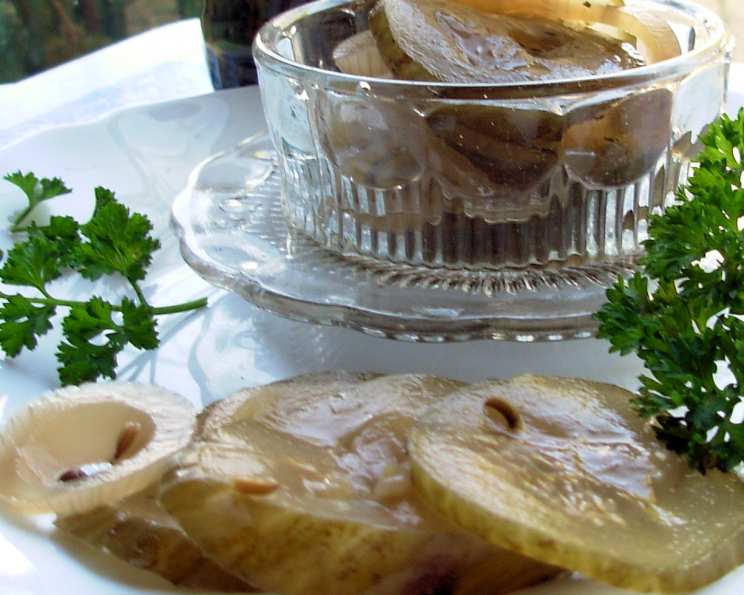
Polish Dill Pickles Country Style: A Taste of Summer Memories
My grandmother’s cellar was a magical place. Jars of ruby-red beets, golden applesauce, and, most memorably, emerald-green dill pickles lined the shelves. As a child, sneaking down there felt like discovering a hidden treasure. The tangy, garlicky aroma of those pickles always heralded summer, and they were a constant presence at every family gathering. This recipe, reminiscent of those beloved pickles, brings back those cherished memories with every crisp, flavorful bite.
Recipe Overview
- Prep Time: 25 minutes
- Cook Time: 10 minutes
- Total Time: 35 minutes
- Yields: 4 quarts
- Serves: 30
- Dietary Type: Vegetarian, Gluten-Free, Dairy-Free
Ingredients
For Each Quart Jar:
- 3 ¾ cups cucumbers, sliced (about ¼ inch thick)
- 6 slices onions
- 1 clove garlic (more if desired), peeled
- 4 sprigs fresh dill
Brine for Four Quarts:
- 4 cups vinegar (5% acidity)
- 1 cup water
- 4 cups sugar
- ½ cup salt (non-iodized)
Equipment Needed
- Large stainless steel or enamel pot (non-reactive)
- Sterilized quart jars with lids and rings
- Non-reactive containers for prepping ingredients
- Slotted spoon
- Ladle
- Jar lifter (if processing)
Instructions
-
Begin by thoroughly washing and drying your cucumbers. Slice them into approximately ¼-inch thick rounds. The thickness is important for texture and brine penetration.
-
Prepare the onions by slicing them into thin rings. The garlic should be peeled.
-
Sterilize your quart jars, lids, and rings. This is crucial for preventing spoilage. You can do this by boiling them in water for 10 minutes, or according to your canner’s instructions. Keep the jars hot until ready to fill.
-
To each sterilized quart jar, add 2 sprigs of dill and 2-3 slices of onion.
-
Fill the jar approximately half full with the sliced cucumbers.
-
Add a small piece of garlic (or more, according to your preference).
-
Add another 2-3 slices of onion and continue filling the jar with cucumber slices until it is nearly full, leaving about ½-inch of headspace at the top.
-
Add another small piece of garlic and the remaining 2 sprigs of dill to the top of the cucumbers in each jar.
-
In a large stainless steel or enamel pot, combine the vinegar, water, sugar, and salt.
-
Bring the brine to a boiling point over medium-high heat, stirring constantly until the sugar and salt are completely dissolved.
-
Reduce the heat and allow the brine to simmer gently until it appears clear. This usually takes about 5-10 minutes.
-
Using a ladle, carefully pour the hot brine over the cucumbers in each jar, leaving about ½-inch of headspace. Make sure all the cucumbers are submerged.
-
Wipe the rims of the jars with a clean, damp cloth to remove any spills or residue.
-
Place the lids on the jars and screw on the rings until they are fingertip-tight. Do not overtighten.
-
At this point, you have two options: You can either refrigerate the pickles immediately (these are called refrigerator pickles) or process them in a boiling water bath for longer shelf life.
- For Refrigerated Pickles: Let the jars cool completely, then store them in the refrigerator. They will be ready to eat in about a week, and they will last for several weeks in the fridge.
- For Processed Pickles: If you choose to process the pickles, place the jars in a boiling water bath canner filled with enough water to cover the jars by at least an inch. Bring the water to a rolling boil and process for 10 minutes.
- After processing, carefully remove the jars from the canner using a jar lifter and place them on a towel-lined surface to cool. Let them cool completely. As the jars cool, you should hear a “pop” sound, which indicates that the lids have sealed properly.
-
Check the seals by pressing down on the center of each lid. If the lid does not flex or move, it is sealed. If the lid flexes, the jar is not properly sealed and should be refrigerated immediately.
-
Store the processed and sealed jars in a cool, dark place for at least 2-3 weeks before eating to allow the flavors to fully develop.
Expert Tips & Tricks
- Using pickling cucumbers is ideal. They are smaller, firmer, and have fewer seeds than regular cucumbers, resulting in a crisper pickle.
- If you prefer a sweeter pickle, you can increase the amount of sugar slightly. For a tangier pickle, reduce the sugar or add a splash of white vinegar.
- For an extra kick, add a pinch of red pepper flakes or a small chili pepper to each jar.
- Make sure your equipment is clean and your jars are properly sterilized to prevent the growth of harmful bacteria.
- Always use fresh, high-quality ingredients for the best flavor and texture.
- Don’t skip the simmering step for the brine. This helps to clarify the brine and ensure that the sugar and salt are fully dissolved.
- If you don’t have fresh dill, you can use dried dill weed, but fresh dill will provide a more vibrant flavor. Use approximately 1 tablespoon of dried dill weed per quart jar.
Serving & Storage Suggestions
These Polish Dill Pickles are incredibly versatile. Serve them chilled as a refreshing side dish with sandwiches, grilled meats, or potato salad. They are also a delicious addition to cheese boards, charcuterie platters, or simply enjoyed straight from the jar as a snack.
Storage:
- Refrigerated Pickles: Store in the refrigerator for several weeks.
- Processed Pickles: Store in a cool, dark place for up to a year. Once opened, refrigerate any leftover pickles.
Do not freeze these pickles, as it will negatively affect the texture.
Nutritional Information
(Estimated per serving, based on 30 servings per 4 quarts)
| Nutrient | Amount per Serving | % Daily Value |
|---|---|---|
| Calories | 112 kcal | 6% |
| Total Fat | 0g | 0% |
| Saturated Fat | 0g | 0% |
| Cholesterol | 0mg | 0% |
| Sodium | 1887mg | 78% |
| Total Carbohydrate | 27g | 9% |
| Dietary Fiber | 0g | 0% |
| Sugars | 27g | N/A |
| Protein | 0g | 0% |
Variations & Substitutions
- Spicy Dill Pickles: Add a pinch of red pepper flakes or a sliced jalapeño to each jar for a spicy kick.
- Garlic Lovers’ Pickles: Increase the amount of garlic to your liking. Roasted garlic cloves also add a unique depth of flavor.
- Sweet and Sour Pickles: Adjust the ratio of sugar to vinegar to create a sweeter or more sour pickle. You can also add a touch of honey or maple syrup.
- Mustard Seed Pickles: Add a teaspoon of mustard seeds to each jar for a slightly pungent flavor.
- Different Vegetables: While this recipe is designed for cucumbers, you can also use it to pickle other vegetables, such as green beans, carrots, or cauliflower.
FAQs (Frequently Asked Questions)
Q: Do I have to process these pickles in a boiling water bath?
A: No, you don’t have to. If you don’t process them, they become refrigerator pickles, which must be stored in the refrigerator and will have a shorter shelf life.
Q: Can I use regular table salt instead of pickling salt?
A: It’s best to use pickling salt (also known as canning salt) because it doesn’t contain iodine or anti-caking agents, which can darken the pickles and affect their flavor.
Q: How long do the pickles need to sit before they’re ready to eat?
A: For refrigerator pickles, it’s best to wait at least a week for the flavors to develop. Processed pickles are best after 2-3 weeks.
Q: My pickles turned out soft. What did I do wrong?
A: Soft pickles can be caused by several factors, including using overripe cucumbers, not using enough vinegar, or not processing them properly. Make sure to use fresh, firm cucumbers and follow the recipe carefully.
Q: Can I reuse the brine from previously pickled vegetables?
A: No, it is not recommended to reuse brine, as it may contain bacteria that can spoil your new batch of pickles.
Final Thoughts
Now it’s your turn to bring a taste of tradition to your table! Don’t be intimidated by pickling – it’s a rewarding process that yields delicious results. Gather your ingredients, sterilize your jars, and get ready to create a batch of these flavorful Polish Dill Pickles. Whether you’re enjoying them straight from the jar or serving them alongside your favorite dishes, these pickles are sure to be a hit. I encourage you to experiment with variations and find your perfect pickle flavor! And please, share your feedback with me. Smacznego!