
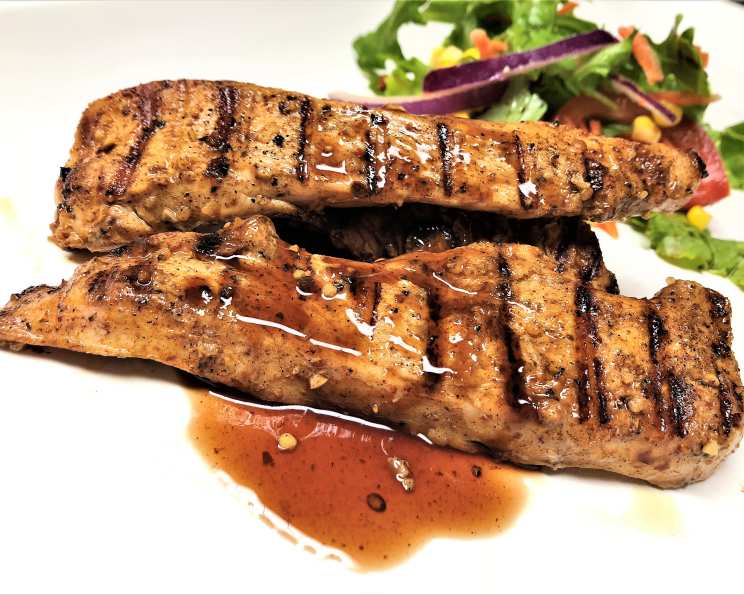
Pomegranate Jewel: Crafting a Luscious Reduction Sauce
The first time I tasted pomegranate reduction, it was drizzled over a perfectly seared duck breast at a tiny bistro in Paris. The tart-sweet, intensely fruity sauce elevated the rich duck to another level entirely. I remember thinking, “This is magic.” I immediately knew I had to recreate this at home. After some experimenting, I adapted a recipe, and while my first attempt wasn’t quite Parisian perfection, it was the start of a love affair with this vibrant sauce. Now, it’s a staple in my kitchen, ready to transform everything from grilled meats to roasted vegetables.
Recipe Overview
- Prep Time: 5 minutes
- Cook Time: 10 minutes
- Total Time: 15 minutes
- Servings: 4
- Yield: About 1 cup
- Dietary Type: Gluten-Free
Ingredients
- 1/8 teaspoon cayenne
- 3 garlic cloves, minced
- 1 tablespoon ginger, chopped
- 3 green onions, sliced
- 1 cup pomegranate juice
- 1/4 cup rice wine vinegar
- 1 tablespoon tamarind paste (or tamarind concentrate)
- 3 tablespoons brown sugar
- 1 tablespoon coriander seed
- 2 tablespoons soy sauce
- Cornstarch (optional, for thickening)
Equipment Needed
- Small saucepan
- Dry skillet or frying pan
- Ziploc bag
- Rubber mallet or drinking glass (for crushing coriander seeds)
- Strainer (optional)
Instructions
-
Begin by toasting the coriander seeds. Place them in a dry skillet or frying pan over medium-high heat. Toast until fragrant, usually about 2-3 minutes. Watch carefully to prevent burning!
-
Remove the toasted coriander seeds from the pan and allow them to cool slightly.
-
Crush the coriander seeds. Place the cooled seeds in a Ziploc bag and use a rubber mallet or the bottom of a drinking glass to coarsely crush them. You want to release their aromatic oils, not pulverize them into powder.
-
Combine all ingredients in a small saucepan. This includes the crushed coriander seeds, cayenne, minced garlic, chopped ginger, sliced green onions, pomegranate juice, rice wine vinegar, tamarind paste, brown sugar, and soy sauce.
-
Reduce the sauce. Place the saucepan over medium heat and bring the mixture to a simmer. Then, reduce the heat to low and continue simmering until the sauce has thickened to a syrupy consistency. This usually takes about 10-15 minutes, but watch it closely. You want the sauce to coat the back of a spoon. Stir occasionally to prevent sticking.
-
(Optional) Thicken further with cornstarch. If you desire a thicker sauce, mix a small amount of cornstarch (about 1 teaspoon) with a tablespoon of cold water to create a slurry. Slowly whisk the cornstarch slurry into the simmering sauce and continue to simmer for another minute or two, until the sauce reaches your desired thickness. Be careful not to add too much cornstarch, as it can make the sauce gummy.
-
(Optional) Strain the sauce. If you prefer a smoother sauce, strain it through a fine-mesh strainer to remove the solids (garlic, ginger, coriander seeds, and green onions). This is a matter of personal preference; the solids add texture and flavor.
-
Serve immediately with grilled or baked chicken, pork, or beef. This sauce is also delicious over roasted vegetables or as a glaze for tofu.
Expert Tips & Tricks
- Don’t over-reduce: Be careful not to reduce the sauce too much, as it will become too thick and sticky. You want a syrupy consistency that coats the back of a spoon.
- Taste and adjust: Taste the sauce as it simmers and adjust the sweetness or tartness as needed. You can add a little more brown sugar for sweetness or a splash more rice wine vinegar for tartness.
- Use high-quality pomegranate juice: The quality of the pomegranate juice will significantly impact the flavor of the sauce. Look for 100% pomegranate juice with no added sugar or preservatives.
- Infuse with chili: For extra flavor, add a fresh sliced chili (like a bird’s eye chili) while the sauce reduces.
Serving & Storage Suggestions
This pomegranate reduction sauce is incredibly versatile. Serve it warm or at room temperature as a glaze for grilled or baked meats (chicken, pork, beef, lamb), poultry, fish, or even tofu. It’s also delicious drizzled over roasted vegetables like Brussels sprouts, sweet potatoes, or squash.
- Storage: Store leftover sauce in an airtight container in the refrigerator for up to 5 days.
- Reheating: Reheat the sauce gently in a saucepan over low heat or in the microwave in 30-second intervals, stirring in between. Add a touch of water or pomegranate juice if it has become too thick during storage.
- Freezing: While not ideal, you can freeze this sauce. Place it in an airtight container or freezer bag. Thaw it overnight in the refrigerator and reheat gently. The texture may change slightly after freezing, so you might want to whisk in a tiny bit of fresh pomegranate juice when reheating.
Nutritional Information
| Nutrient | Amount per Serving | % Daily Value |
|---|---|---|
| Calories | 98 kcal | N/A |
| Total Fat | 0.5 g | 0% |
| Saturated Fat | 0.1 g | 0% |
| Cholesterol | 0 mg | 0% |
| Sodium | 514.8 mg | 21% |
| Total Carbohydrate | 23.2 g | 7% |
| Dietary Fiber | 1.3 g | 5% |
| Sugars | 19.5 g | N/A |
| Protein | 1.7 g | 3% |
Note: Nutritional information is an estimate and may vary based on specific ingredients and preparation methods.
Variations & Substitutions
- Maple Syrup: Substitute the brown sugar with maple syrup for a different flavor profile.
- Citrus Zest: Add a teaspoon of orange or lemon zest during the reduction process for a brighter flavor.
- Spicy kick: If you like it hot, increase the amount of cayenne pepper, or add a pinch of red pepper flakes.
- Balsamic vinegar: Substitute half of the rice wine vinegar with balsamic vinegar for a richer, more complex flavor.
- Tamari: Substitute the soy sauce with tamari for a gluten-free option.
FAQs (Frequently Asked Questions)
Q: Can I use store-bought tamarind concentrate instead of tamarind paste?
A: Yes, you can absolutely use tamarind concentrate. The recipe calls for tamarind paste, but concentrate works just as well. Just ensure you use the correct measurement (1 tablespoon).
Q: Can I make this sauce ahead of time?
A: Definitely! This sauce is perfect for making ahead. Store it in an airtight container in the refrigerator for up to 5 days.
Q: Is it necessary to strain the sauce?
A: No, straining is optional. Straining will give you a smoother sauce, but leaving the solids in adds texture and flavor. It’s a matter of personal preference.
Q: Can I use this sauce as a marinade?
A: Absolutely! This sauce makes a fantastic marinade for chicken, pork, or beef. Marinate the meat for at least 30 minutes (or up to several hours) before cooking.
Q: The sauce is too tart. How can I fix it?
A: If the sauce is too tart, add a little more brown sugar, a teaspoon at a time, until it reaches your desired sweetness. You can also add a tiny dab of honey.
Final Thoughts
This pomegranate reduction sauce is a culinary gem that’s surprisingly easy to make. It’s a vibrant, flavorful addition to countless dishes, elevating simple meals to something truly special. Don’t be intimidated by the seemingly exotic ingredients; they all come together to create a balanced and delicious sauce that will impress your family and friends. I encourage you to try this recipe and experiment with different variations to create your own signature pomegranate masterpiece. Share your creations and feedback – I’d love to hear how you make this recipe your own! Pair it with a crisp Sauvignon Blanc for an unforgettable dining experience.