
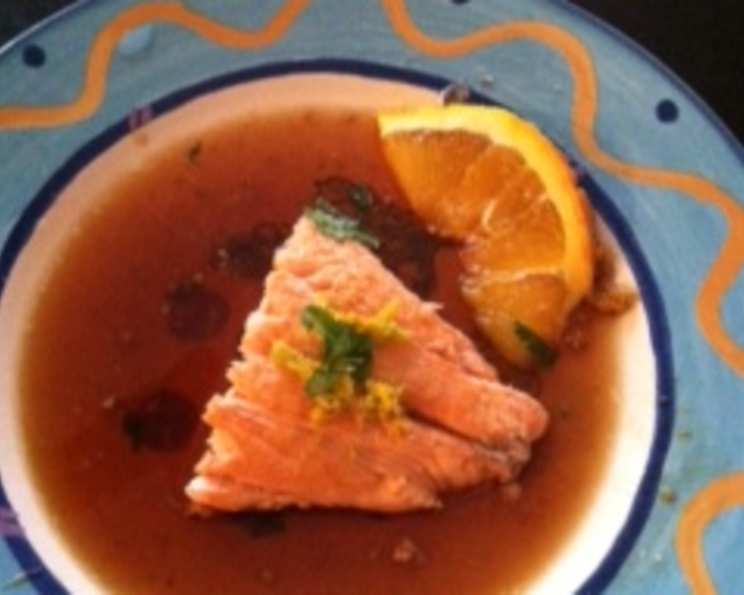
Ponzu Salmon: A Symphony of Citrus and Umami
I’ll never forget the first time I tasted ponzu salmon. It was at a tiny, unassuming restaurant tucked away in Kyoto. The chef, a quiet, masterful woman with decades of experience, simply seared the salmon to crispy perfection and drizzled it with a vibrant, homemade ponzu. The explosion of flavors – the richness of the salmon, the bright citrus notes, the salty umami – was an absolute revelation. It was a dish that spoke of balance, precision, and respect for the ingredients. Ever since, I’ve been on a quest to recreate that magic in my own kitchen, and this recipe gets pretty darn close.
Recipe Overview
- Prep Time: 15 minutes
- Cook Time: 10 minutes
- Total Time: 25 minutes
- Servings: 4
- Yield: 4 salmon fillets with sauce
- Dietary Type: Gluten-Free (if using gluten-free soy sauce)
Ingredients
- 4 (6 ounce) skinless salmon fillets
- 1 teaspoon fine sea salt
- 2 tablespoons vegetable oil
For the Northwest Ponzu Sauce:
- 1 grapefruit
- 1 orange
- 1 lime
- 1/4 cup sugar
- 1/4 cup soy sauce
- 1/4 cup rice vinegar
Equipment Needed
- Zester or vegetable peeler and sharp knife
- Juicer
- Medium saucepan
- Large, nonstick skillet
Instructions
-
Begin by preparing the citrus zest for the ponzu sauce. If you have a zester, use it to carefully remove the colorful outer rind from the grapefruit, orange, and lime. Be careful to avoid the white pith, which is bitter. Set the zest aside. If you don’t have a zester, use a vegetable peeler to remove the rind in strips. Then, with a sharp knife, cut the strips into thin julienne strips.
-
Next, juice the grapefruit, orange, and lime, and combine the juices in a bowl.
-
Now, prepare the caramelized sugar base for the sauce. Place the sugar in a dry pan over medium-high heat. Swirl the pan gently until the sugar begins to dissolve. As it melts, it will turn a caramel color. This step requires your full attention as sugar can burn quickly.
-
Carefully pour in the fruit juice. Be cautious, as the mixture will boil and steam rapidly before settling into a steady boil. It’s best to step back slightly when adding the juice.
-
Boil the mixture for about 2 minutes, swirling the pan occasionally to help dissolve the caramelized sugar.
-
Once the caramelized sugar has completely dissolved, add the soy sauce and rice vinegar.
-
Add half of the reserved citrus zest to the sauce. Continue boiling for another 2 to 3 minutes, or until the sauce has slightly thickened. The zest can be left in the sauce for a more intense citrus flavor, or strained out for a smoother texture.
-
Keep the ponzu sauce warm, or let it cool to room temperature while you prepare the salmon.
-
For the Salmon: Rinse the salmon fillets under cold water, then pat them dry with paper towels. This will help ensure a good sear. Sprinkle the salmon fillets with sea salt.
-
Place a large, nonstick skillet over medium-high heat and allow the pan to preheat for 1 minute. The pan should be hot to ensure a good sear.
-
Add the vegetable oil to the pan. The oil should be almost smoking-hot.
-
Place the salmon fillets skinned-side-up into the hot pan. This means the side of the salmon that would have been covered in skin is facing upwards.
-
Allow the salmon to cook undisturbed for 4 to 5 minutes, or until a crisp brown crust has formed on the underside of the fish. Resist the urge to move the fillets, as this will interfere with the searing process.
-
Carefully turn the fillets and cook for another 5 minutes, or until the fish is just cooked through. The internal temperature of the salmon should reach 145°F (63°C). The salmon is done when it flakes easily with a fork. Be careful not to overcook the salmon, as it will become dry.
-
To serve, make a puddle of ponzu sauce in the center of four plates, and place the pan-seared salmon fillets on top of the sauce.
-
Garnish the fish with the reserved zest from the grapefruit, orange, and lime.
Expert Tips & Tricks
- Achieving the Perfect Sear: The key to perfectly seared salmon is a hot pan and undisturbed cooking. Make sure your skillet is fully preheated before adding the oil and salmon.
- Don’t Overcook: Salmon is best when it’s slightly undercooked in the center. It will continue to cook from residual heat.
- Flavor Boost: For an extra layer of flavor, add a small knob of butter to the pan during the last minute of cooking. Baste the salmon with the melted butter for added richness.
- Zest with Precision: Only zest the very outer layer of the citrus peel to avoid the bitter white pith.
- Caramelizing Sugar: Keep a close eye on the sugar as it caramelizes, as it can burn quickly. The color should be a deep amber.
- Gluten-Free Option: To make the recipe gluten-free, simply substitute the soy sauce with tamari, a gluten-free soy sauce alternative.
Serving & Storage Suggestions
This ponzu salmon is best served immediately after cooking. It pairs beautifully with steamed rice, stir-fried vegetables, or a simple green salad.
Leftovers can be stored in an airtight container in the refrigerator for up to 2 days. Reheat gently in a skillet over low heat, or in the microwave. Be careful not to overcook the salmon when reheating. The sauce can be stored separately and reheated gently as well. This dish is not recommended for freezing, as the texture of the salmon may be compromised.
Nutritional Information
| Nutrient | Amount per Serving | % Daily Value |
|---|---|---|
| Calories | 376 kcal | N/A |
| Total Fat | 14.5 g | 22% |
| Saturated Fat | 2.3 g | 11% |
| Cholesterol | 78.9 mg | 26% |
| Sodium | 1715.9 mg | 71% |
| Total Carbohydrate | 23.9 g | 7% |
| Dietary Fiber | 1.4 g | 5% |
| Sugars | 16.1 g | N/A |
| Protein | 37.8 g | 75% |
Note: Nutritional information is an estimate and may vary based on specific ingredients and cooking methods.
Variations & Substitutions
- Spicy Ponzu: Add a pinch of red pepper flakes to the ponzu sauce for a touch of heat.
- Yuzu Ponzu: Substitute lime with Yuzu juice for a more authentic Japanese ponzu flavor.
- Herbaceous Twist: Add chopped fresh cilantro or scallions to the ponzu sauce for a fresh, vibrant flavor.
- Different Fish: If you’re not a fan of salmon, try this recipe with tuna, sea bass, or halibut. Adjust cooking times accordingly.
- Sweetener Options: You can use honey or maple syrup instead of sugar in the ponzu sauce.
FAQs (Frequently Asked Questions)
Q: Can I make the ponzu sauce ahead of time?
A: Absolutely! The ponzu sauce can be made up to 3 days in advance and stored in an airtight container in the refrigerator. In fact, the flavors tend to meld together even better when the sauce has a little time to sit.
Q: What’s the best way to tell if the salmon is cooked through?
A: The easiest way is to use a fork to gently flake the salmon. If it flakes easily, it’s done. You can also use a meat thermometer to check the internal temperature, which should reach 145°F (63°C).
Q: Can I use a different type of oil?
A: Yes, you can use other oils with a high smoke point, such as avocado oil or grapeseed oil. Olive oil is not recommended because its smoke point is too low.
Q: I don’t have rice vinegar. What can I use instead?
A: You can substitute with white wine vinegar or apple cider vinegar, but rice vinegar provides the best flavor.
Q: Can I grill the salmon instead of pan-searing it?
A: Yes, grilling the salmon is a great option. Make sure to preheat your grill to medium-high heat and lightly oil the grates to prevent sticking. Grill for about 4-5 minutes per side, or until cooked through.
Final Thoughts
I hope this recipe inspires you to create your own symphony of flavors with this Ponzu Salmon. It’s a dish that’s both elegant and simple, perfect for a weeknight dinner or a special occasion. Don’t be afraid to experiment with different citrus fruits or herbs to create your own unique twist. Enjoy, and please share your creations with me! Perhaps pair it with a crisp Sauvignon Blanc to enhance the citrus notes. Happy cooking!