
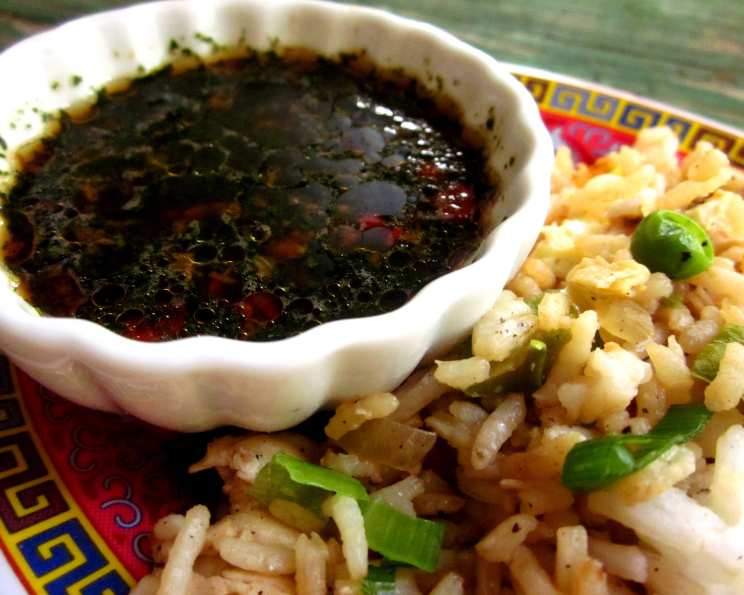
The Zesty Secret Weapon: Mastering Ponzu Dipping Sauce
I remember the first time I tasted ponzu. I was a young line cook, frantically prepping for a busy Friday night at a Japanese izakaya. The head chef, a man of few words but immense culinary wisdom, simply handed me a small bowl filled with a shimmering, amber liquid. “Taste,” he commanded. The explosion of citrus, soy, and subtle heat was unlike anything I’d ever experienced. It instantly elevated everything it touched, and I’ve been hooked ever since. It’s that perfect balance of salty, sour, and umami that makes it such an indispensable condiment in my kitchen.
Recipe Overview
- Prep Time: 5 minutes
- Cook Time: 0 minutes (no cooking required)
- Total Time: 5 minutes
- Yields: 1/2 cup
- Serves: 2-4
- Dietary Type: Gluten-Free (check soy sauce label)
Ingredients
- 1 orange (juice of)
- 1 tablespoon sesame oil
- 3 tablespoons soy sauce (Kikkoman organic recommended)
- 1 teaspoon red chili (fresh and finely diced)
- 1 teaspoon orange rind (fresh and finely diced – 1 strip pith removed)
- ½ cup coriander (finely chopped)
Equipment Needed
- Juicer (optional, but makes juicing the orange easier)
- Small bowl
- Knife
- Cutting board
- Measuring spoons and cups
Instructions
- Begin by juicing the orange. You’ll need the fresh juice, so avoid using pre-packaged orange juice if possible. Freshly squeezed juice provides a brighter, more vibrant flavor. Strain the juice to remove any seeds or pulp.
- Next, prepare the aromatics. Finely dice the fresh red chili. Be careful when handling chilies; wash your hands thoroughly afterwards to avoid accidentally touching your eyes. If you prefer a milder ponzu, remove the seeds and membranes from the chili before dicing.
- Using a sharp knife or a microplane, finely dice the fresh orange rind. Be sure to remove the white pith underneath the orange peel, as it can be bitter. The orange rind adds a wonderful citrus aroma and a slightly bitter note that balances the other flavors.
- Finely chop the fresh coriander. If you are not a fan of coriander, you can try using flat-leaf parsley instead, although it will alter the flavor profile slightly.
- In a small bowl, combine the freshly squeezed orange juice, sesame oil, soy sauce, diced red chili, diced orange rind, and chopped coriander.
- Mix all the ingredients together thoroughly until well combined.
- Taste and adjust seasoning as needed. You may want to add a little more chili for heat, or a touch more orange juice for brightness.
Expert Tips & Tricks
- Soy Sauce Choice: The quality of your soy sauce significantly impacts the final flavor. I strongly recommend using Kikkoman organic soy sauce, as it has a rich, umami flavor without being overly salty. Low-sodium soy sauce can be used if you’re watching your sodium intake, but you may need to adjust the other ingredients to balance the flavors.
- Citrus Zest Expertise: When zesting the orange, use a microplane grater or a fine zester. This will create very small pieces of zest that release their oils easily and prevent any bitterness.
- Chili Heat Control: Adjust the amount of chili to your preference. For a milder sauce, use a milder chili or remove the seeds and membranes. For a spicier sauce, use a hotter chili or add a pinch of chili flakes.
- Infusion Time: While ponzu is delicious immediately, allowing it to sit for at least 30 minutes (or even overnight in the refrigerator) will allow the flavors to meld and deepen. This is especially helpful if you are using particularly strong or pungent ingredients.
- Fresh Herbs Matter: Use fresh coriander (cilantro) for the best flavor. Dried coriander simply doesn’t have the same vibrant aroma.
- Sesame Oil Nuances: Toasted sesame oil adds a deeper, nuttier flavor than regular sesame oil. Experiment to find your preference.
Serving & Storage Suggestions
Ponzu dipping sauce is incredibly versatile. It’s excellent served with:
- Dumplings: As originally intended, it pairs beautifully with both steamed and pan-fried dumplings.
- Grilled Meats: Use it as a marinade or dipping sauce for grilled chicken, beef, or pork.
- Seafood: It’s a natural complement to sushi, sashimi, grilled fish, or shrimp.
- Vegetables: Drizzle it over steamed or roasted vegetables like asparagus, broccoli, or green beans.
- Tofu: Add a splash to a bowl of silken tofu.
Storage: Store leftover ponzu in an airtight container in the refrigerator for up to 3 days. The flavors may mellow slightly over time. It is not recommended to freeze ponzu, as this can affect the texture and flavor.
Nutritional Information
| Nutrient | Amount per Serving | % Daily Value |
|---|---|---|
| Calories | 112 kcal | – |
| Calories from Fat | 63g | 57% |
| Total Fat | 7.1 g | 10% |
| Saturated Fat | 1 g | 5% |
| Cholesterol | 0.5 mg | 0% |
| Sodium | 1524 mg | 63% |
| Total Carbohydrate | 9.9 g | 3% |
| Dietary Fiber | 2.1 g | 8% |
| Sugars | 6.7 g | 26% |
| Protein | 3.7 g | 7% |
Note: Nutritional information is an estimate and may vary based on specific ingredients and portion sizes.
Variations & Substitutions
- Yuzu Ponzu: For a more authentic Japanese flavor, substitute the orange juice with yuzu juice. Yuzu is a Japanese citrus fruit with a unique aroma and flavor.
- Lime Ponzu: If you don’t have oranges, you can use lime juice instead. The flavor will be slightly different, but still delicious.
- Lemon Ponzu: Similar to lime, lemon juice also works as a substitute.
- Spicy Ponzu: For an extra kick, add a few drops of chili oil or a dash of cayenne pepper.
- Ginger Ponzu: Add a teaspoon of freshly grated ginger for a warm and aromatic twist.
- Vegan Ponzu: Ensure your soy sauce is vegan, as some brands may contain additives derived from animal products.
- Ponzu with Mirin: For added sweetness and depth, incorporate a tablespoon of mirin (Japanese sweet rice wine).
FAQs (Frequently Asked Questions)
Q: Can I make ponzu ahead of time?
A: Absolutely! In fact, the flavors meld together and improve if you let it sit for at least 30 minutes, or even overnight, in the refrigerator.
Q: Is ponzu gluten-free?
A: Not all soy sauces are gluten-free. Check the label and look for soy sauces specifically labeled as gluten-free, often made with alternative grains.
Q: Can I use dried coriander instead of fresh?
A: While you can, the flavor of fresh coriander is significantly better. Dried coriander lacks the vibrant aroma and brightness of fresh.
Q: How long does ponzu last in the refrigerator?
A: Ponzu will generally last for up to 3 days in the refrigerator, stored in an airtight container.
Q: Can I freeze ponzu?
A: Freezing is not recommended as it can alter the texture and flavor of the sauce.
Final Thoughts
Ponzu is more than just a dipping sauce; it’s a flavor amplifier, a culinary secret weapon that can transform simple dishes into something extraordinary. Whether you’re drizzling it over grilled fish, dunking in homemade dumplings, or using it as a marinade for your favorite protein, I encourage you to experiment and discover the many ways you can incorporate this versatile sauce into your cooking. Don’t be afraid to adjust the ingredients to your liking and create your own signature ponzu. I’d love to hear how you use it – share your favorite pairings and tweaks in the comments below!