
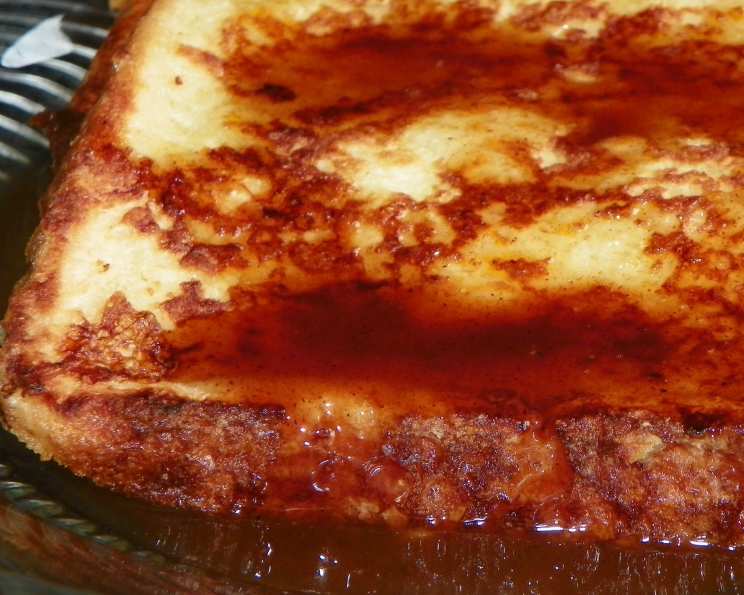
Poor Knights French Toast: A Taste of Simple Comfort
The scent of cinnamon sugar still transports me back to my grandmother’s kitchen. She wasn’t a fancy cook, but her love was her secret ingredient. On chilly autumn mornings, she’d whip up “Poor Knights French Toast,” a humble dish that transformed stale bread into golden, comforting squares of joy. The simplicity of the recipe was its magic, proof that the most satisfying moments often come from the most unassuming sources. To this day, a bite of this classic treat brings back a flood of warm memories and the feeling of being utterly loved.
Recipe Overview
- Prep Time: 5 minutes
- Cook Time: 5 minutes
- Total Time: 10 minutes
- Servings: 2
- Yield: 4 slices
- Dietary Type: Vegetarian
Ingredients
- 4 slices bread (white or wheat is fine)
- 1 egg
- 1/4 teaspoon salt
- 1/2 cup milk (low-fat is fine)
- 1 teaspoon sugar
- 1/4 cup all-purpose flour
- Butter, for frying
Equipment Needed
- Whisk
- Flat fry-pan or skillet
Instructions
- In a mixing bowl, whisk together the milk, egg, flour, sugar, and salt until you have a smooth batter, free of lumps. A few small lumps are fine, but ensure there are no large pockets of unincorporated flour.
- Place your fry-pan or skillet on the stove and preheat over medium heat. Add a small amount of butter to the pan, just enough to coat the surface evenly. Let the butter melt completely and shimmer, but don’t let it brown or burn.
- One at a time, carefully dip each slice of bread into the batter, ensuring both sides are thoroughly coated. Allow excess batter to drip back into the bowl before placing the bread in the hot pan.
- Fry the batter-coated bread slices in the hot, buttered pan until they are golden brown on both sides. This should take about 2-3 minutes per side. Keep a close eye on them to prevent burning.
- Once golden brown on both sides, remove the French toast from the pan and place on a plate.
Expert Tips & Tricks
- Bread Choice is Key: While white or wheat bread are perfectly acceptable, using slightly stale bread works best. It soaks up the batter better and prevents the French toast from becoming soggy.
- Batter Consistency: The batter should be smooth and pourable, but not too thin. If it seems too thick, add a tablespoon of milk at a time until you reach the desired consistency. If it’s too thin, whisk in a teaspoon of flour until slightly thickened.
- Heat Control is Crucial: Keep the heat at medium. Too high, and the outside will burn before the inside is cooked. Too low, and the French toast will be pale and greasy.
- Don’t Overcrowd the Pan: Fry the bread slices in batches, if necessary, to avoid overcrowding the pan. This will help maintain the pan’s temperature and ensure even cooking.
- Crispy Edges: For extra crispy edges, try pressing the bread slices down gently with a spatula while they are frying.
Serving & Storage Suggestions
Serve your “Poor Knights French Toast” immediately while it’s warm and golden brown. A simple dusting of powdered sugar or a drizzle of maple syrup is a classic way to enjoy it. You can also top it with fresh berries, whipped cream, or your favorite jam.
Leftovers can be stored in an airtight container in the refrigerator for up to 2 days. To reheat, you can use a toaster oven, a skillet on the stovetop, or even the microwave. For the best results, reheat in a toaster oven or skillet to maintain the crispy texture. Microwave reheating can make the French toast a bit soggy.
Do not store at room temperature for more than 2 hours. Freezing is not recommended as the texture becomes quite soggy upon thawing.
Nutritional Information
| Nutrient | Amount per Serving | % Daily Value |
|---|---|---|
| Calories | 273 kcal | 14% |
| Total Fat | 16 g | 21% |
| Saturated Fat | 2.5 g | 12% |
| Cholesterol | 102 mg | 33% |
| Sodium | 612 mg | 25% |
| Total Carbohydrate | 42 g | 14% |
| Dietary Fiber | 2 g | 6% |
| Sugars | 4 g | 17% |
| Protein | 11 g | 21% |
Variations & Substitutions
- Rika Riddare (Rich Knights): As the name suggests, you can elevate this dish to “Rich Knights” status by serving it with marzipan and whipped cream. This adds a layer of decadence and richness.
- Spice it Up: Add a dash of cinnamon, nutmeg, or cardamom to the batter for a warm and aromatic twist.
- Citrus Zest: A little bit of lemon or orange zest added to the batter can brighten the flavor and add a subtle citrus note.
- Different Breads: Experiment with different types of bread, such as challah, brioche, or even croissants. Each type will offer a unique texture and flavor.
- Dairy-Free Version: Use non-dairy milk, such as almond milk or soy milk, and a vegan egg substitute to make this recipe dairy-free and vegan-friendly.
- Gluten-Free: Use gluten-free bread and a gluten-free all-purpose flour blend.
FAQs (Frequently Asked Questions)
Q: Why is it called “Poor Knights French Toast”?
A: The name likely comes from the dish’s humble origins as a way to use up stale bread, making it a simple and affordable meal for those with limited resources.
Q: Can I use day-old bread for this recipe?
A: Absolutely! In fact, using day-old or slightly stale bread is ideal, as it will soak up the batter better without becoming overly soggy.
Q: How do I prevent the French toast from sticking to the pan?
A: Make sure the pan is properly preheated and that you’re using enough butter to coat the surface evenly. A non-stick pan can also help.
Q: Can I prepare the batter ahead of time?
A: Yes, you can prepare the batter up to a day in advance and store it in the refrigerator. Just be sure to whisk it well before using it, as the flour may settle.
Q: What is the best way to keep the French toast warm while I cook the rest?
A: Place the cooked French toast on a baking sheet in a warm oven (around 200°F or 93°C) to keep it warm without drying it out.
Final Thoughts
“Poor Knights French Toast” isn’t just a recipe; it’s an invitation to embrace simple pleasures and create lasting memories. This humble dish, with its golden crust and tender interior, is a reminder that comfort and joy can be found in the most unassuming of places. So, gather your ingredients, whisk up a batch of love, and share this timeless classic with those you cherish. I encourage you to experiment with variations and toppings, making it your own signature dish. And most importantly, enjoy every delicious bite!