
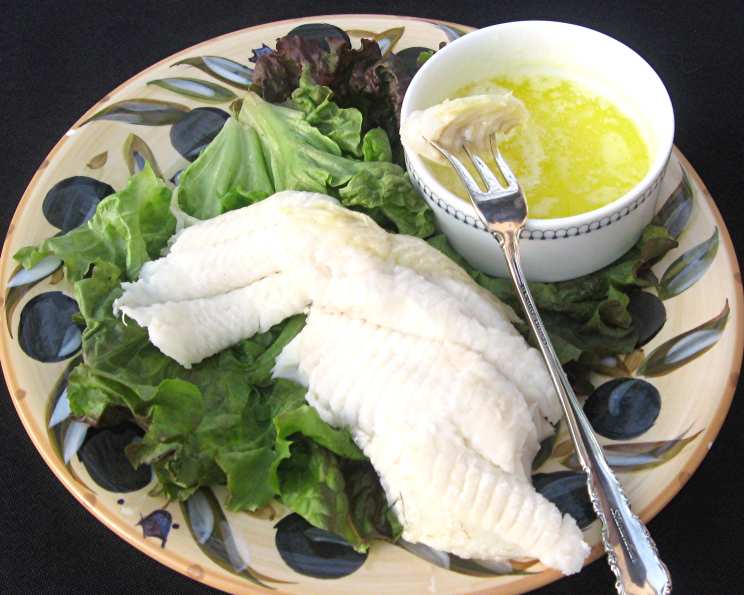
Poor Man’s Lobster #1: A Seafood Classic on a Budget
The aroma of my grandmother’s kitchen still lingers in my memory, a comforting blend of simmering herbs and the briny scent of the sea. Growing up in a small coastal town, lobster was a luxury, a special occasion treat. But Grandma, resourceful as ever, had a secret weapon: Poor Man’s Lobster. I remember her standing over the stove, stirring a pot of what looked like ordinary fish, only to transform it into something truly extraordinary. The texture and taste were surprisingly similar to lobster, and for a child, it was pure magic. Now, I share her simple, cost-effective recipe so you can taste that same coastal magic at home, no matter your budget.
Recipe Overview
- Prep Time: 5 minutes
- Cook Time: 10 minutes
- Total Time: 15 minutes
- Servings: 5
- Dietary Type: Pescatarian
Ingredients
- 2 lbs haddock fillets
- 1 1/2 teaspoons vinegar
- 2 tablespoons salt
- 8 tablespoons (1 stick) butter or margarine, melted
Equipment Needed
- Large pot
- Stovetop or burner
- Serving dishes
Instructions
- Begin by placing the haddock fillets in a large pot.
- Cover the haddock completely with cold water.
- Add 1 1/2 teaspoons of vinegar to the water.
- Add 2 tablespoons of salt to the water.
- Bring the pot to a boil over medium-high heat. Watch carefully to prevent boil-overs.
- Once boiling, reduce the heat slightly to maintain a gentle boil and cook for exactly 10 minutes. It is crucial not to overcook the fish, as it will become tough.
- Carefully remove the haddock fillets from the pot. The fish should be opaque and flaky.
- Serve immediately with 8 tablespoons of melted butter or margarine for dipping.
- (Optional) For a slightly browned surface, the cooked fish can be placed under a broiler for 1-2 minutes, watching closely to prevent burning.
Expert Tips & Tricks
- Choosing Your Fish: While this recipe calls for haddock, you can also use other firm, white fish such as cod, pollock, or even tilapia, though the texture may vary slightly. The key is to choose a fish that holds its shape well during cooking.
- The Importance of Salting: The salt in this recipe isn’t just for seasoning; it’s crucial for creating the lobster-like texture. Don’t skimp on it! The salt helps to firm up the fish and give it that characteristic bite.
- Don’t Overcook: Overcooking is the enemy of any fish dish, and this is especially true for Poor Man’s Lobster. The 10-minute cooking time is precise. Start checking for doneness around 8 minutes. The fish should be opaque and flake easily with a fork.
- Melted Butter Upgrade: Elevate the simple melted butter by browning it slightly. Cook the butter in a saucepan over medium heat until it turns a nutty brown color and smells fragrant. Be careful not to burn it. You can also infuse the butter with garlic or herbs for added flavor.
- Brining: For an extra layer of flavor and even more lobster-like texture, consider brining the haddock for 30 minutes before cooking. To make a brine, dissolve 1/4 cup of salt and 2 tablespoons of sugar in 4 cups of cold water. Submerge the haddock in the brine, refrigerate, and then rinse thoroughly before proceeding with the recipe.
- Broiling Secrets: When broiling, place the fish on a baking sheet lined with foil. This makes for easier cleanup. Keep a close eye on the fish while it’s under the broiler, as it can burn quickly. The goal is to lightly brown the surface, not to cook the fish further.
Serving & Storage Suggestions
Serve Poor Man’s Lobster immediately while it’s hot and tender. Arrange the cooked haddock fillets on a platter or individual plates. Serve with small bowls of melted butter for dipping. A squeeze of fresh lemon juice can also brighten the flavor.
This dish is best enjoyed fresh, but leftovers can be stored in an airtight container in the refrigerator for up to 2 days. To reheat, gently steam the fish or warm it in a microwave at 50% power to prevent it from drying out. Reheated Poor Man’s Lobster is also delicious in salads or fish cakes.
Do not leave cooked fish at room temperature for more than 2 hours.
Nutritional Information
| Nutrient | Amount per Serving | % Daily Value |
|---|---|---|
| Calories | 350 kcal | 18% |
| Total Fat | 25g | 38% |
| Saturated Fat | 15g | 75% |
| Cholesterol | 100mg | 33% |
| Sodium | 1500mg | 63% |
| Total Carbohydrate | 0g | 0% |
| Dietary Fiber | 0g | 0% |
| Sugars | 0g | 0% |
| Protein | 30g | 60% |
Note: Nutritional information is an estimate and may vary based on specific ingredients and portion sizes.
Variations & Substitutions
- Garlic Butter: Infuse the melted butter with minced garlic for a savory twist. Sauté 2-3 cloves of minced garlic in the butter over low heat until fragrant before serving.
- Herb Butter: Add fresh herbs like parsley, dill, or chives to the melted butter for a burst of freshness.
- Spicy Butter: Kick up the heat by adding a pinch of red pepper flakes or a dash of hot sauce to the melted butter.
- Lemon Butter: Brighten the flavor with a squeeze of fresh lemon juice and some lemon zest in the melted butter.
- Wine Infusion: Add a splash of dry white wine to the cooking water for added depth of flavor. Use about 1/4 cup of wine for every 4 cups of water.
- Seafood Stock: Substitute the water with seafood stock for a richer, more intense seafood flavor.
- Alternative Fish: Try using other white fish such as cod, pollock, or even catfish.
- Vegan Option: For a vegan version, try using firm tofu or large mushroom caps marinated in a salty, vinegary broth. While it won’t taste exactly like lobster, it can provide a similar texture and experience.
FAQs (Frequently Asked Questions)
Q: Why is it called “Poor Man’s Lobster?”
A: The dish is named “Poor Man’s Lobster” because the cooking method and the addition of salt and vinegar give inexpensive white fish a texture and flavor that mimics real lobster, offering an affordable alternative.
Q: Can I use frozen haddock fillets?
A: Yes, you can use frozen haddock fillets. Make sure they are completely thawed before cooking. Pat them dry with paper towels to remove excess moisture.
Q: How do I know when the fish is cooked through?
A: The fish is cooked through when it is opaque and flakes easily with a fork. The internal temperature should reach 145°F (63°C).
Q: Can I add other seasonings to the cooking water?
A: Yes, you can experiment with other seasonings like bay leaves, peppercorns, or lemon slices. However, be careful not to overpower the lobster-like flavor that the salt and vinegar create.
Q: Can I make this ahead of time?
A: It’s best to serve this dish immediately, as the texture can change if it sits for too long. If you need to prepare it in advance, cook the fish and then gently reheat it just before serving.
Final Thoughts
Poor Man’s Lobster is more than just a budget-friendly seafood dish; it’s a testament to the ingenuity of home cooks and the power of simple ingredients. With just a few pantry staples and a little know-how, you can transform ordinary haddock into a surprisingly satisfying and delicious meal. So gather your ingredients, follow the instructions, and prepare to be amazed by the incredible flavor and texture of this culinary classic. Don’t forget to share your creations and feedback, and perhaps pair this delightful dish with a crisp glass of white wine and a side of steamed asparagus for the perfect seafood feast!