
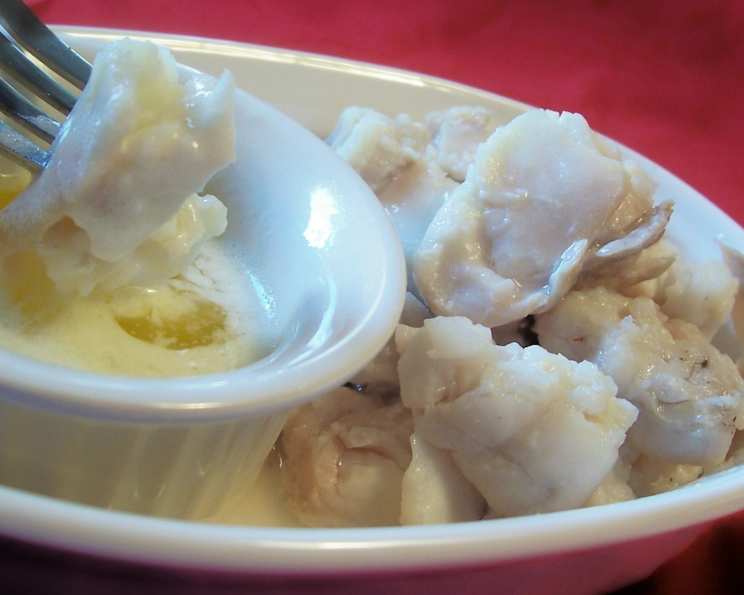
Poor Man’s Lobster: A Fisherman’s Secret Revealed
I remember the first time I tasted this dish. I was a young culinary student, working a summer stint on a small fishing charter out of Kodiak, Alaska. The salty air, the endless horizon, and the back-breaking work were exhilarating. One evening, after a particularly successful halibut haul, the captain, a grizzled old sea dog named Hank, winked and said, “Tonight, we feast like kings, on poor man’s lobster!” Skeptical but intrigued, I watched as he transformed humble halibut into something remarkably lobster-like. The slightly sweet broth, the perfectly cooked, succulent fish dipped in melted butter…it was a revelation. That simple meal, shared under the Alaskan stars, cemented my love for seafood and the magic of simple, honest cooking.
Recipe Overview
- Prep Time: 5 minutes
- Cook Time: 15 minutes
- Total Time: 20 minutes
- Servings: 1-10 (Adjust ingredient quantities as needed)
- Dietary Type: Pescatarian
Ingredients
- 1 cup sugar
- Halibut, cut into approximately 1-inch cubes
- Butter, for dipping (not margarine)
Equipment Needed
- Large pot
- Slotted spoon
Instructions
-
Fill a large pot (approximately a gallon) with water. This generous amount of water helps maintain a consistent temperature.
-
Add 1 cup of sugar to the water. The sugar is what gives the halibut its surprisingly lobster-like flavor and texture.
-
Bring the water and sugar mixture to a boil over high heat. Ensure the sugar dissolves completely.
-
Do not stir the mixture at any point during the cooking process. Stirring can disrupt the delicate balance and affect the final texture of the fish.
-
Gently add the halibut cubes to the boiling water. Avoid overcrowding the pot; work in batches if necessary. Overcrowding will lower the water temperature and result in unevenly cooked fish.
-
The halibut will initially sink to the bottom of the pot.
-
As the halibut cooks, it will rise to the surface. This is your visual cue that it’s nearly done.
-
The halibut should take just a few minutes to cook through – usually between 2-5 minutes depending on the size of the cubes. Monitor closely. The fish is done when it’s opaque and flakes easily with a fork.
-
Remove the cooked halibut from the pot using a slotted spoon. The slotted spoon allows you to drain the excess sugary water.
-
Remember, it’s crucial to avoid stirring the mixture while cooking and removing the halibut.
-
Continue cooking the halibut in batches until all the cubes are cooked. Maintain a rolling boil throughout the process.
-
Serve the cooked halibut immediately with melted butter for dipping. This simple addition elevates the dish and adds richness.
Expert Tips & Tricks
-
Halibut Quality: The quality of the halibut significantly impacts the final result. Opt for fresh, firm halibut with a pearly white color. Avoid fish that looks dull or has a strong odor.
-
Sugar Type: While granulated sugar is standard, you can experiment with other sugars like brown sugar for a slightly different flavor profile. However, be aware that brown sugar might affect the color of the cooking liquid.
-
Temperature Control: Maintaining a consistent boiling temperature is key. If the water temperature drops too much after adding the fish, increase the heat slightly to bring it back to a rolling boil quickly.
-
Doneness Check: Overcooked halibut will be dry and rubbery. Aim for a slightly undercooked state, as the residual heat will continue to cook the fish after it’s removed from the pot. The fish should be opaque but still slightly moist in the center.
-
Flavor Infusion: For an extra layer of flavor, consider adding a few slices of lemon or a sprig of thyme to the boiling water.
-
Clarified Butter: For the dipping sauce, use clarified butter (ghee) instead of regular melted butter. Clarified butter has a higher smoke point and a richer flavor.
Serving & Storage Suggestions
Serve the “Poor Man’s Lobster” immediately while it’s hot. Arrange the cooked halibut cubes attractively on a platter and provide individual bowls of melted butter for dipping. A squeeze of fresh lemon juice complements the richness of the butter.
Leftovers can be stored in an airtight container in the refrigerator for up to 2 days. Reheat gently in a skillet with a little butter or in the microwave. Note that the texture of the fish may change slightly upon reheating.
Freezing is not recommended, as it can significantly alter the texture of the halibut.
Nutritional Information
Note: Nutritional information is an estimate and may vary based on specific ingredients and portion sizes.
| Nutrient | Amount per Serving (approx. 4 oz halibut) | % Daily Value* |
|---|---|---|
| Calories | 250 kcal | 13% |
| Total Fat | 7g | 11% |
| Saturated Fat | 4g | 20% |
| Cholesterol | 50mg | 17% |
| Sodium | 100mg | 4% |
| Total Carbohydrate | 15g | 5% |
| Sugars | 15g | – |
| Protein | 30g | 60% |
*Based on a 2,000 calorie diet.
Variations & Substitutions
-
Other Fish: While halibut is the traditional choice, you can experiment with other firm, white fish like cod, sea bass, or even monkfish. Adjust cooking times accordingly.
-
Sugar Alternatives: For a lower-sugar option, try using honey or maple syrup instead of granulated sugar. Be mindful that these alternatives will impart a distinct flavor.
-
Spice Infusion: Add a pinch of red pepper flakes or a dash of hot sauce to the boiling water for a spicy kick.
-
Herb Butter: Infuse the melted butter with fresh herbs like parsley, dill, or chives for an extra layer of flavor.
-
Garlic Butter: Add minced garlic to the melted butter for a savory twist.
FAQs (Frequently Asked Questions)
Q: Why is sugar added to the water?
A: The sugar tenderizes the halibut and gives it a subtle sweetness and texture reminiscent of lobster. It’s a crucial step for achieving the desired “poor man’s lobster” effect.
Q: Can I use margarine instead of butter for dipping?
A: While you can, the flavor will be significantly different. Butter provides a richness and depth of flavor that margarine simply can’t replicate.
Q: How do I know when the halibut is cooked through?
A: The halibut is done when it turns opaque and flakes easily with a fork. Avoid overcooking, as it will become dry and rubbery. It will also float to the top when cooked.
Q: Can I make this recipe ahead of time?
A: It’s best to serve this dish immediately after cooking for the best texture and flavor. If you need to prepare ahead, cook the halibut just slightly under and then reheat it gently before serving.
Q: What can I serve with Poor Man’s Lobster?
A: This dish pairs well with a simple side salad, steamed vegetables, or crusty bread. A crisp white wine like Sauvignon Blanc or Pinot Grigio would be a delightful accompaniment.
Final Thoughts
“Poor Man’s Lobster” is a testament to the idea that delicious food doesn’t always require extravagant ingredients or complicated techniques. This simple recipe, born from the ingenuity of fishermen, transforms humble halibut into a surprisingly luxurious treat. I encourage you to try this recipe and experience the magic for yourself. Share your creations and adaptations – I’d love to hear how you’ve made this classic your own!