
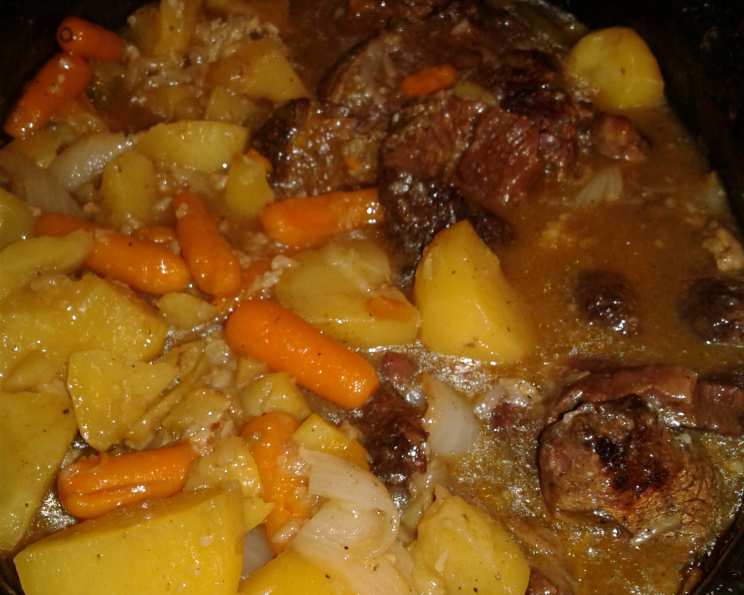
The “Poor Man’s T-Bone”: Transforming Chuck Roast into Steakhouse Sensation
I remember one summer during college, pinching pennies was practically an Olympic sport. My roommates and I were craving a hearty steak dinner but our budget was tighter than ever. That’s when my resourceful grandpa shared his secret: turning a humble chuck roast into a surprisingly tender and flavorful “steak” using a simple, yet powerful marinade. The smoky aroma wafting from our tiny charcoal grill, followed by that first juicy bite, was pure magic. We felt like we were dining at a fancy steakhouse, all thanks to a little ingenuity and a whole lot of flavor. This “Poor Man’s T-Bone” recipe remains a cherished memory, a testament to the fact that deliciousness doesn’t always require a hefty price tag.
Recipe Overview
- Prep Time: 24 hours
- Cook Time: 10 minutes
- Total Time: 24 hours 10 minutes
- Servings: 6
- Yield: 6 steaks
- Dietary Type: Varies depending on soy sauce used (can be gluten-free)
Ingredients
- 2-3 lbs chuck roast, trimmed of excess fat
- 1/4 cup vegetable oil
- 1 tablespoon Worcestershire sauce
- 1 tablespoon liquid smoke
- 1/2 cup soy sauce
- 1 tablespoon vinegar (white or apple cider vinegar works well)
- 2 garlic cloves, crushed
- 1 teaspoon celery salt
- 1 teaspoon dry mustard
- 1 tablespoon ginger (can use fresh, grated, or powdered)
- 1/4 cup brown sugar (packed)
Equipment Needed
- Fork
- Marinade pan or zip-lock bag
- Grill
Instructions
- Begin by piercing the chuck roast all over with a fork on both sides. This crucial step helps the marinade penetrate the meat, ensuring maximum flavor and tenderness. Don’t be shy – give it a good poke!
- In a bowl, mix all marinade ingredients together. Combine the vegetable oil, Worcestershire sauce, liquid smoke, soy sauce, vinegar, crushed garlic, celery salt, dry mustard, ginger, and brown sugar. Whisk until the brown sugar is mostly dissolved. The marinade should have a rich, savory aroma with a hint of sweetness and smoke.
- Pour the marinade over the chuck roast in a marinade pan or a large zip-lock bag. Ensure the roast is completely submerged in the marinade.
- Refrigerate for at least overnight, or up to two days. The longer the marinating time, the more flavorful and tender the final product will be. During the marinating process, turn the roast several times to ensure even distribution of the marinade. This will also help to break down the tough muscle fibers in the chuck roast.
- Grill the marinated chuck roast as you would any steak. Preheat your grill to medium-high heat. Remove the roast from the marinade and discard the marinade. Place the roast on the hot grill grates.
- Cook for approximately 4-5 minutes per side for medium-rare, or longer depending on your desired level of doneness and the thickness of the roast. Use a meat thermometer to check the internal temperature. For medium-rare, aim for 130-135°F. For medium, aim for 135-140°F.
- Once the roast reaches your desired doneness, remove it from the grill and let it rest for a few minutes before slicing. This allows the juices to redistribute throughout the meat, resulting in a more tender and flavorful steak.
- Slice the roast thinly against the grain. This is essential for maximizing tenderness, as it shortens the muscle fibers and makes the steak easier to chew. Serve immediately.
Expert Tips & Tricks
- Maximizing Tenderness: The secret to this recipe lies in the marinade and the slicing technique. The acidic ingredients (vinegar and soy sauce) help to tenderize the meat, while slicing against the grain ensures a more pleasant eating experience.
- Spice It Up: For a spicier kick, add a pinch of red pepper flakes or a dash of your favorite hot sauce to the marinade.
- Smoking Enhancement: If you have a smoker, consider smoking the chuck roast for a few hours before grilling for an even more intense smoky flavor.
- Marinade Adjustment: Feel free to adjust the marinade ingredients to your liking. If you prefer a sweeter marinade, add more brown sugar. If you like it more savory, add more Worcestershire sauce or soy sauce.
- Preventing Flare-Ups: Chuck roast can release a fair amount of fat while grilling, which can lead to flare-ups. Keep a spray bottle of water handy to control any excessive flames. Alternatively, consider using a grill with indirect heat or a grill mat.
Serving & Storage Suggestions
Serve your “Poor Man’s T-Bone” hot off the grill with your favorite steakhouse sides, such as mashed potatoes, roasted vegetables, or a crisp salad. A dollop of garlic butter on top is always a welcome addition.
Leftovers can be stored in an airtight container in the refrigerator for up to 3-4 days. To reheat, gently warm in a skillet over medium heat or in the microwave. Avoid overcooking to prevent the steak from drying out. You can also slice the leftover steak and use it in sandwiches, salads, or stir-fries.
Properly stored and wrapped, cooked chuck roast can also be frozen for up to 2-3 months. Thaw overnight in the refrigerator before reheating.
Nutritional Information
Note: Nutritional information is an estimate and may vary based on specific ingredients and portion sizes.
| Nutrient | Amount per Serving | % Daily Value |
|---|---|---|
| Calories | 450 kcal | 23% |
| Total Fat | 25g | 38% |
| Saturated Fat | 10g | 50% |
| Cholesterol | 90mg | 30% |
| Sodium | 1200mg | 50% |
| Total Carbohydrate | 10g | 3% |
| Dietary Fiber | 1g | 4% |
| Sugars | 8g | – |
| Protein | 40g | 80% |
Variations & Substitutions
- Gluten-Free: Use tamari instead of regular soy sauce for a gluten-free option.
- Low-Sodium: Opt for low-sodium soy sauce to reduce the sodium content.
- Herb Infusion: Add fresh herbs like rosemary, thyme, or oregano to the marinade for a more complex flavor profile.
- Citrus Zest: Incorporate the zest of an orange or lemon into the marinade for a bright and zesty twist.
- Different Cuts: While this recipe is designed for chuck roast, you could experiment with other tough cuts of beef, such as flank steak or skirt steak. Keep in mind that cooking times may vary.
FAQs (Frequently Asked Questions)
Q: Why is it called “Poor Man’s T-Bone”?
A: Because it transforms a cheaper cut of beef (chuck roast) into a steak-like experience, mimicking the flavor and texture of a more expensive T-Bone steak.
Q: Can I use a different type of oil?
A: Yes, you can substitute vegetable oil with other neutral oils like canola oil or grapeseed oil. Avoid using oils with strong flavors, such as olive oil, as they may overpower the marinade.
Q: How can I tell if the steak is done without a thermometer?
A: You can use the touch test. Press the steak with your finger; if it feels soft and yielding, it’s likely rare. If it feels slightly firmer, it’s medium-rare. And if it feels firm, it’s well-done.
Q: Can I marinate the roast for longer than two days?
A: While you can technically marinate it for longer, it’s generally not recommended, as the acid in the marinade can start to break down the meat too much, resulting in a mushy texture.
Q: Is liquid smoke necessary?
A: Liquid smoke adds a smoky flavor that enhances the “steak” experience, but it can be omitted if you don’t have any on hand. Consider using smoked paprika instead for a similar effect.
Final Thoughts
This “Poor Man’s T-Bone” recipe is a testament to the power of simple ingredients and clever techniques. It’s a delicious, budget-friendly way to enjoy a steak-like meal without breaking the bank. I encourage you to try this recipe and discover how a humble chuck roast can be transformed into a truly satisfying dish. Don’t hesitate to experiment with the marinade to create your own unique flavor combinations. Share your creations and feedback – I’d love to hear how it turns out! Consider pairing this “steak” with a bold red wine or a refreshing craft beer for a complete and memorable meal. Enjoy!