
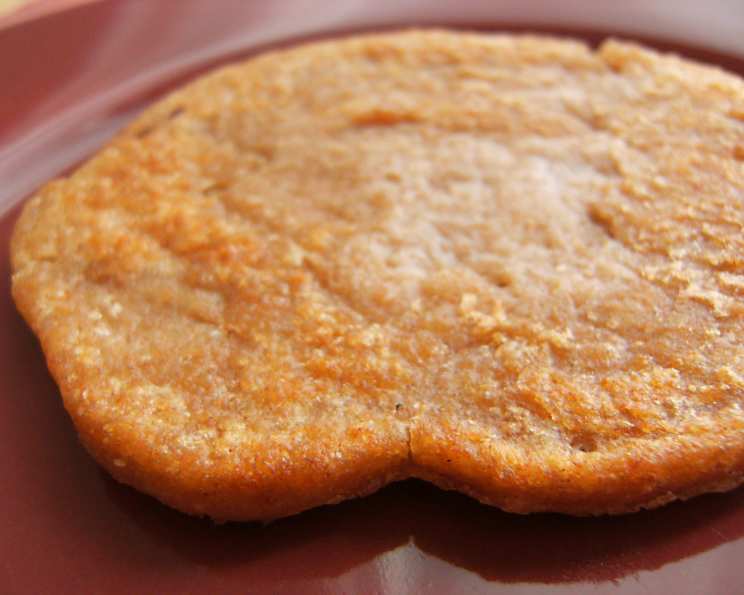
The Joy of Pooris: Golden Puffs of Indian Delight
The aroma of hot oil and the sight of a perfectly puffed poori – it transports me straight back to my grandmother’s kitchen. I remember sitting on a small stool, mesmerized as she deftly rolled out the dough and plunged it into the hot oil. The magic that unfolded – a flat disc transforming into a golden, airy sphere – was pure culinary alchemy. The taste? Simply divine. Warm, slightly chewy, and ready to be devoured with a spicy vegetable curry.
Recipe Overview
- Prep Time: 15 minutes
- Cook Time: 30 minutes
- Total Time: 45 minutes
- Servings: 6
- Yield: 6 Pooris
- Dietary Type: Vegan
Ingredients
- 1 cup whole wheat flour
- 1 tablespoon canola oil
- ½ teaspoon salt
- ½ cup hot water
- Canola oil for frying
Equipment Needed
- Medium-sized bowl
- Skillet
- Rolling pin
- Clean kitchen towel
- Slotted spoon or tongs
Instructions
-
In a medium-sized bowl, combine the whole wheat flour and salt.
-
Add the canola oil and hot water to the bowl.
-
Mix the ingredients together with your hands until a soft, pliable dough forms. The dough should not be sticky. If it is, add a little more flour, a tablespoon at a time.
-
Cover the dough with a damp towel to prevent it from drying out and let it rest for 30 minutes. This allows the gluten to relax, resulting in softer pooris.
-
After 30 minutes, lightly flour a clean work surface.
-
Knead the dough on the floured surface for 2-3 minutes until smooth and elastic.
-
Divide the dough into 6 equal portions.
-
Roll each portion into a smooth ball.
-
Using a rolling pin, roll each ball into a 6-inch circle, about 1/8 inch thick. Try to keep the circles as even as possible for uniform puffing.
-
Place the rolled-out circles on a clean cloth or plate and cover them with another cloth to prevent them from drying out while you work on the others. Dried-out pooris won’t puff up properly.
-
Heat a couple of tablespoons of canola oil in a skillet over medium-high heat. The oil should be hot enough to quickly cook the poori but not so hot that it burns it immediately. A good way to test the oil is to drop a tiny piece of dough into it. If it sizzles and rises to the surface within a few seconds, the oil is ready.
-
Carefully place one rolled-out circle of dough into the hot oil.
-
Using a slotted spoon or spatula, gently press down on the poori as it fries. This encourages the poori to puff up.
-
Fry for 15-20 seconds on each side, or until the poori is puffed and golden brown. Keep adding a little oil with each fry, by drizzling some over the poori.
-
Once cooked, remove the poori from the skillet with a slotted spoon or tongs and place it on a plate lined with paper towels to absorb excess oil.
-
Repeat steps 12-15 with the remaining dough circles.
-
Serve hot and enjoy!
Expert Tips & Tricks
- Dough Consistency is Key: The dough should be soft and pliable, not too sticky or too dry. Adjust the water or flour accordingly.
- Resting the Dough: Don’t skip the resting period! It makes a huge difference in the texture of the pooris.
- Rolling Evenly: Aim for a uniform thickness when rolling out the dough. This ensures even cooking and puffing.
- Oil Temperature: Maintaining the right oil temperature is crucial. Too low, and the pooris will absorb too much oil. Too high, and they’ll burn before they puff up. Adjust the heat as needed.
- Pressing Gently: Gently pressing down on the poori while frying helps to create steam inside, which is what causes it to puff up.
- Re-Rolling Scraps: Avoid re-rolling the dough scraps too many times, as this can make the pooris tough.
- Flavor Infusions: Add a pinch of ajwain (carom seeds) or kasuri methi (dried fenugreek leaves) to the dough for extra flavor.
Serving & Storage Suggestions
Pooris are best served hot, straight from the skillet. They are traditionally enjoyed with a variety of Indian curries, such as potato curry (aloo sabzi), chickpea curry (chole), or lentil soup (dal). They can also be served with yogurt (raita) or Indian pickles (achar).
Leftover pooris can be stored at room temperature in an airtight container for up to a day. To reheat, you can warm them briefly in a dry skillet or microwave. However, they are best eaten fresh, as they tend to lose their crispness upon reheating. They can also be frozen. Allow them to cool completely, then wrap them individually in plastic wrap before placing them in a freezer bag. They can be frozen for up to 2 months. Thaw them at room temperature before reheating.
Nutritional Information
| Nutrient | Amount per Serving | % Daily Value |
|---|---|---|
| Calories | 89 kcal | – |
| Calories from Fat | 25 g | 29% |
| Total Fat | 2.8 g | 4% |
| Saturated Fat | 0.3 g | 1% |
| Cholesterol | 0 mg | 0% |
| Sodium | 194.3 mg | 8% |
| Total Carbohydrate | 14.4 g | 4% |
| Dietary Fiber | 2.1 g | 8% |
| Sugars | 0.1 g | 0% |
| Protein | 2.6 g | 5% |
Note: Nutritional information is an estimate and may vary based on specific ingredients and preparation methods.
Variations & Substitutions
- Gluten-Free Pooris: Use a gluten-free flour blend specifically designed for Indian breads. You may need to add a binding agent like xanthan gum.
- Aata (Durum Wheat Flour) Pooris: For a more authentic taste, use aata, a type of durum wheat flour commonly used in Indian cooking.
- Spiced Pooris: Add a pinch of turmeric powder, red chili powder, or garam masala to the dough for a spicy kick.
- Methi Pooris: Incorporate finely chopped fenugreek leaves (methi) into the dough for a flavorful and nutritious twist.
- Potato Pooris (Aloo Pooris): Mash boiled potatoes and add them to the dough for a richer, softer poori.
- Sweet Pooris: Add a tablespoon of sugar and a pinch of cardamom powder to the dough for a sweet treat.
FAQs (Frequently Asked Questions)
Q: Why are my pooris not puffing up?
A: Several factors can prevent pooris from puffing up, including dough that is too dry, oil that is not hot enough, or pooris that have dried out before frying. Make sure the dough is soft and pliable, the oil is properly heated, and cover the rolled-out pooris to prevent them from drying out.
Q: Can I make the dough ahead of time?
A: Yes, you can make the dough ahead of time and store it in the refrigerator for up to 24 hours. Bring the dough to room temperature before rolling it out.
Q: How do I prevent the pooris from becoming oily?
A: Ensure the oil is hot enough before frying the pooris. Also, don’t overcrowd the skillet, and drain the pooris on paper towels after frying.
Q: Can I bake the pooris instead of frying them?
A: While traditional pooris are fried, you can try baking them for a healthier alternative. Brush the rolled-out circles with oil and bake them in a preheated oven at 375°F (190°C) until golden brown, flipping halfway through. However, they won’t puff up in the same way as fried pooris.
Q: What is the best way to reheat leftover pooris?
A: The best way to reheat leftover pooris is in a dry skillet over medium heat. Warm them for a few seconds on each side until heated through. You can also reheat them in the microwave, but they may become a little soft.
Final Thoughts
These golden, puffed-up delights are more than just fried bread; they are a taste of tradition, a comforting reminder of home-cooked goodness, and a versatile accompaniment to a myriad of Indian dishes. Don’t be intimidated by the frying process – with a little practice and patience, you’ll be whipping up batches of perfect pooris in no time. So, gather your ingredients, invite your friends and family, and embark on this culinary adventure. I encourage you to try this recipe. Share your experiences, and most importantly, enjoy the simple pleasure of these puffy, golden delights! Pair it with a cool, creamy raita and a spicy vegetable curry for a truly unforgettable meal.