
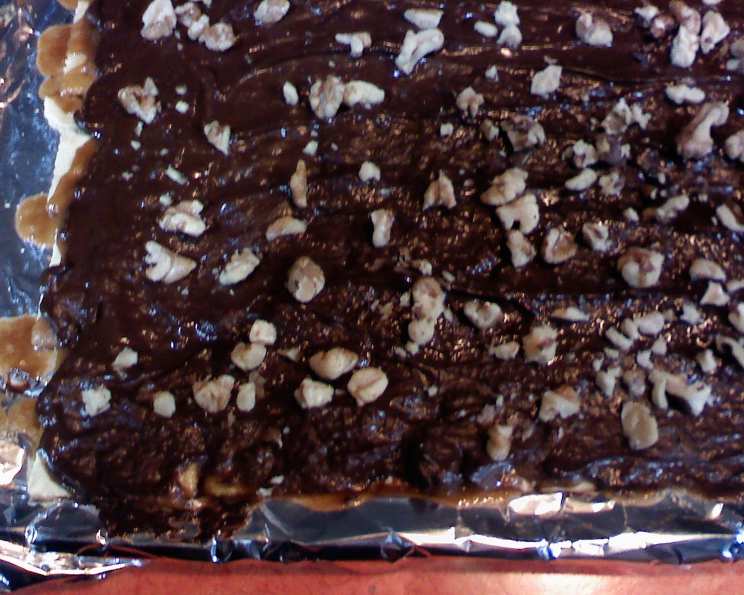
Poorman’s Toffee: A Surprisingly Delicious Treat
My grandmother, bless her heart, was a master of making something amazing out of practically nothing. I remember being a kid and visiting her small, cozy kitchen, the air thick with the scent of melted butter and caramelized sugar. This “Poorman’s Toffee,” as she called it, was one of her signature treats. I used to wrinkle my nose at the name – it sounded so…unappealing! But one bite of that buttery, chocolatey, crunchy goodness, and I was hooked. It proved that you don’t need fancy ingredients or complicated techniques to create a truly unforgettable dessert.
Recipe Overview
- Prep Time: 20 minutes
- Cook Time: 7-10 minutes
- Total Time: 2 hours 27 minutes (includes chilling time)
- Servings: Varies (depending on how it is cut)
- Yield: 1 tray
- Dietary Type: Not specified
Ingredients
- Saltine crackers, unsalted tops, enough to cover a cookie sheet
- 12 ounces semi-sweet chocolate chips
- ¾ cup packed brown sugar
- 1 cup butter
- ½ cup chopped walnuts, optional
Equipment Needed
- Cookie sheet
- Aluminum foil
- Saucepan
- Candy thermometer (optional)
Instructions
-
Begin by preparing your baking sheet. Cover a cookie sheet with aluminum foil, then arrange the saltine crackers in a single layer, ensuring they cover the entire surface. The unsalted tops of the crackers should be facing up. This forms the base of your toffee.
-
Preheat your oven to 350°F (175°C). Make sure the oven is fully preheated before you move on to the next step. An accurate oven temperature is essential for even cooking.
-
In a medium saucepan over medium heat, combine the butter and brown sugar. Stir constantly as the butter melts and the sugar dissolves. Continue cooking, stirring frequently, until the mixture reaches the hard ball stage.
- Using a candy thermometer: Aim for a temperature of 250°F (121°C).
- Without a candy thermometer: To test for the hard ball stage, drop a small amount of the hot mixture into a bowl of chilled water. If it forms a rigid but still pliable ball, you’ve reached the correct consistency.
- Important Note: Be careful not to burn the butter and sugar mixture. Keep a close eye on it and adjust the heat if necessary.
-
Once the butter and sugar mixture has reached the hard ball stage, immediately pour it evenly over the layer of saltine crackers.
-
Place the cookie sheet in the preheated oven and bake until the toffee is bubbly, about 5 minutes. The bubbling action indicates that the toffee is properly caramelizing and adhering to the crackers.
-
Remove the cookie sheet from the oven and immediately sprinkle the chocolate chips evenly over the hot toffee.
-
Return the cookie sheet to the oven for an additional 2-5 minutes, or until the chocolate chips have softened and are slightly melted. Keep a close eye on the chocolate to prevent it from burning.
-
Remove the cookie sheet from the oven again. Using a spatula, spread the melted chocolate evenly over the entire surface of the toffee.
-
If desired, sprinkle the chopped walnuts evenly over the melted chocolate. Gently press the walnuts into the chocolate to help them adhere.
-
Place the cookie sheet in the refrigerator and chill for 1 ½ to 2 hours, or until the toffee is firm and set.
-
Once the toffee is fully chilled, remove it from the refrigerator. Carefully peel the aluminum foil away from the toffee. Break or cut the toffee into pieces of your desired size.
Expert Tips & Tricks
- Salted vs. Unsalted Crackers: While this recipe calls for unsalted tops, using regular salted saltines offers a delightful salty-sweet contrast that many find irresistible.
- Even Cracker Coverage: Ensure the crackers are as close together as possible on the baking sheet to prevent the toffee from seeping through the gaps.
- Preventing a Grainy Texture: Constant stirring while the butter and sugar are melting is key to preventing a grainy toffee.
- Chocolate Choices: Experiment with different types of chocolate chips. Dark chocolate, milk chocolate, or even white chocolate chips can be used for a unique flavor profile.
- Nut Alternatives: If you’re not a fan of walnuts, try pecans, almonds, or even chopped pretzels for added crunch.
Serving & Storage Suggestions
Serve the Poorman’s Toffee chilled or at room temperature. It makes a wonderful addition to a dessert platter, a sweet treat with coffee or tea, or a delightful homemade gift.
Store leftover toffee in an airtight container in the refrigerator for up to a week. For longer storage, you can freeze the toffee for up to a month. Thaw in the refrigerator before serving.
Nutritional Information
Note: Nutritional information is an estimate and may vary based on specific ingredients and serving sizes.
| Nutrient | Amount per Serving | % Daily Value |
|---|---|---|
| Calories | 284 kcal | 14% |
| Total Fat | 19g | 29% |
| Saturated Fat | 11g | 55% |
| Cholesterol | 30mg | 10% |
| Sodium | 88mg | 4% |
| Total Carbohydrate | 24g | 8% |
| Dietary Fiber | 2g | 8% |
| Sugars | 21g | |
| Protein | 2g | 4% |
Variations & Substitutions
- Gluten-Free Toffee: Use gluten-free saltine crackers to make this toffee gluten-free.
- Vegan Toffee: Substitute vegan butter and vegan chocolate chips to create a vegan version of this classic treat.
- Peanut Butter Toffee: Swirl peanut butter into the melted chocolate for a peanut butter twist.
- Seasonal Variations: Sprinkle crushed candy canes on top for a festive holiday treat, or use chopped dried cranberries and pistachios for a fall-inspired version.
- Spice it Up: Add a pinch of cinnamon or a dash of cayenne pepper to the butter and sugar mixture for a warm, spicy kick.
FAQs (Frequently Asked Questions)
Q: Why is it called “Poorman’s Toffee?”
A: The name likely comes from the use of inexpensive and readily available ingredients like saltine crackers, making it a budget-friendly alternative to traditional toffee.
Q: Can I use salted butter instead of unsalted?
A: Yes, but reduce or omit any additional salt in the recipe. Salted butter will enhance the sweet and salty flavor of the toffee.
Q: My toffee is too soft. What did I do wrong?
A: It’s likely that the butter and sugar mixture wasn’t cooked to the hard ball stage. Ensure you reach 250°F (121°C) on a candy thermometer, or that a rigid yet pliable ball forms when dropped into chilled water.
Q: Can I make this toffee ahead of time?
A: Absolutely! This toffee is perfect for making ahead. Store it in an airtight container in the refrigerator or freezer until you’re ready to serve it.
Q: The chocolate is burning in the oven. What can I do?
A: Lower the oven temperature slightly and keep a close eye on the chocolate. If it starts to burn, remove the cookie sheet from the oven immediately.
Final Thoughts
Don’t let the humble name fool you – Poorman’s Toffee is a truly delightful treat that’s easy to make and incredibly satisfying. It’s a testament to the fact that you don’t need fancy ingredients or complicated techniques to create something special. I encourage you to give this recipe a try and share it with your loved ones. It’s a great conversation starter, a fun baking project, and a delicious way to make everyday moments a little sweeter. Feel free to experiment with different variations and substitutions to create your own signature version. And if you happen to try it out, let me know what you think! Happy baking!