
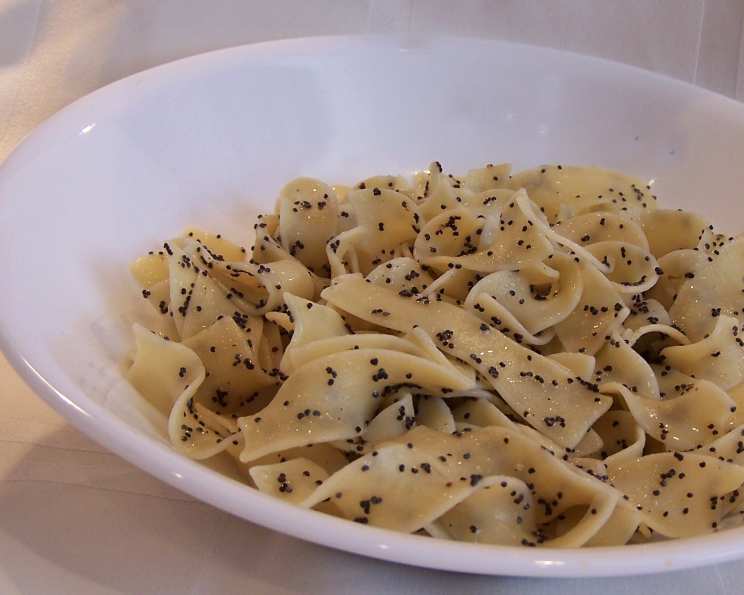
The Comfort of Simplicity: Mastering Poppy Seed Noodles
I still remember the first time I tasted poppy seed noodles. It wasn’t at a fancy restaurant or even at home. It was at a church potluck, a chaotic symphony of covered dishes and chattering voices. Amidst the casseroles and gelatin salads, a simple bowl of glistening noodles studded with tiny black seeds caught my eye. One bite, and I was hooked. The nutty aroma, the satisfying chew of the noodles, the gentle pop of the seeds – it was pure comfort food, elevated by its unassuming elegance. From that day on, I’ve been on a mission to perfect my own version, and I’m excited to share that journey with you.
Recipe Overview
- Prep Time: 5 minutes
- Cook Time: 15 minutes
- Total Time: 20 minutes
- Servings: 4-6
- Yield: About 4 cups
- Dietary Type: Vegetarian
Ingredients
- 2 cups egg noodles, cooked according to package directions and drained
- 2 tablespoons butter
- 1/4 teaspoon salt (or to taste)
- Fresh ground black pepper, to taste
- 1 tablespoon poppy seeds
Equipment Needed
- Large pot (for cooking noodles)
- Colander (for draining noodles)
- Large bowl
Instructions
-
Begin by cooking the egg noodles according to the package directions. This usually involves bringing a pot of salted water to a rolling boil, adding the noodles, and cooking until tender. Be careful not to overcook them; slightly al dente is ideal, as they will soften further with the butter.
-
Once the noodles are cooked to your liking, immediately drain them in a colander. Make sure to drain them thoroughly to avoid a watery sauce.
-
While the noodles are cooking, prepare a large bowl by warming it. You can do this by running hot water into the bowl, letting it sit for a minute, and then emptying it. This helps keep the noodles warm and prevents the butter from solidifying too quickly.
-
Place the drained noodles into the large warmed bowl.
-
Add the butter to the bowl with the noodles. The residual heat from the noodles will melt the butter, creating a light and flavorful sauce.
-
Season generously with salt and freshly ground black pepper. Start with the suggested amount of salt and adjust to your preference. Don’t be shy with the pepper; it adds a lovely warmth and complexity to the dish.
-
Sprinkle the poppy seeds over the noodles.
-
Toss gently to combine all the ingredients, ensuring the noodles are evenly coated with butter, salt, pepper, and poppy seeds. Be careful not to overmix, as this can make the noodles sticky.
-
Serve immediately while the noodles are still warm and the butter is melted.
Expert Tips & Tricks
- Toast the poppy seeds: For an extra layer of flavor, lightly toast the poppy seeds in a dry pan over medium heat for a minute or two, until fragrant. Be careful not to burn them.
- Brown butter: To elevate the flavor profile, melt the butter in a saucepan and cook it until it turns a nutty brown color. Be sure to watch it carefully as it can burn quickly. Let it cool slightly before adding it to the noodles.
- Use high-quality butter: The flavor of the butter really shines through in this simple dish, so using a high-quality butter will make a noticeable difference. European-style butter, with its higher fat content, is a great choice.
- Don’t overcrowd the pan: When cooking the noodles, make sure to use a large enough pot so that the noodles have plenty of room to move around. This will prevent them from sticking together.
- Add a touch of lemon: A squeeze of fresh lemon juice at the end adds a bright, acidic note that balances the richness of the butter.
- Infuse the butter: For a more nuanced flavor, try infusing the butter with herbs or spices. Garlic, thyme, or rosemary would all be delicious additions. Simply melt the butter in a saucepan with the herbs or spices and let it simmer for a few minutes before straining it and adding it to the noodles.
Serving & Storage Suggestions
Poppy seed noodles are best served immediately while warm. They make a fantastic side dish to roasted chicken, pork chops, or grilled salmon. They also pair well with vegetable dishes like asparagus or green beans.
Leftovers can be stored in an airtight container in the refrigerator for up to 3 days. To reheat, gently warm the noodles in a skillet over low heat, adding a little butter or water if necessary to prevent them from drying out. You can also reheat them in the microwave, but be careful not to overcook them.
These noodles are not ideal for freezing, as the texture of the noodles can change upon thawing.
Nutritional Information
| Nutrient | Amount per Serving | % Daily Value |
|---|---|---|
| Calories | 175 kcal | 9% |
| Total Fat | 8g | 12% |
| Saturated Fat | 5g | 25% |
| Cholesterol | 40mg | 13% |
| Sodium | 120mg | 5% |
| Total Carbohydrate | 22g | 7% |
| Dietary Fiber | 1g | 4% |
| Sugars | 1g | 2% |
| Protein | 5g | 10% |
Note: Nutritional information is an estimate and may vary based on specific ingredients and serving sizes.
Variations & Substitutions
- Gluten-free: Use gluten-free noodles for a gluten-free version.
- Vegan: Substitute the butter with a plant-based butter alternative. Nutritional yeast can be added for a cheesy flavor.
- Garlic: Saute minced garlic in the butter before adding it to the noodles for a garlicky twist.
- Cheese: Add grated Parmesan or Gruyere cheese for a richer flavor.
- Herbs: Incorporate fresh herbs like parsley, chives, or dill for a burst of freshness.
- Spices: Experiment with different spices like nutmeg or paprika for a unique flavor profile.
FAQs (Frequently Asked Questions)
Q: Can I use a different type of noodle?
A: Absolutely! While egg noodles are traditional, you can use any type of pasta you like, such as fettuccine, linguine, or even bow ties.
Q: Can I make this ahead of time?
A: While it’s best served fresh, you can cook the noodles ahead of time and toss them with the butter, salt, pepper, and poppy seeds just before serving.
Q: How do I prevent the noodles from sticking together?
A: Be sure to cook the noodles al dente and drain them thoroughly. Toss them with the butter immediately after draining to prevent them from sticking.
Q: Can I add other vegetables to this dish?
A: Yes! Steamed or roasted vegetables like asparagus, broccoli, or peas would be a delicious addition.
Q: Can I use salted or unsalted butter?
A: Either salted or unsalted butter can be used, but be sure to adjust the amount of salt you add to the dish accordingly.
Final Thoughts
This simple poppy seed noodle recipe is a testament to the fact that sometimes the most comforting and satisfying dishes are also the easiest to make. I encourage you to give it a try and experiment with different variations to find your perfect version. Whether you serve it as a side dish or enjoy it as a light meal, I’m confident that it will become a staple in your kitchen. Don’t hesitate to share your feedback and any creative twists you come up with – I’m always eager to learn new ways to elevate this classic dish. And for the perfect pairing, try serving it alongside a crisp, dry white wine like a Pinot Grigio. Enjoy!