
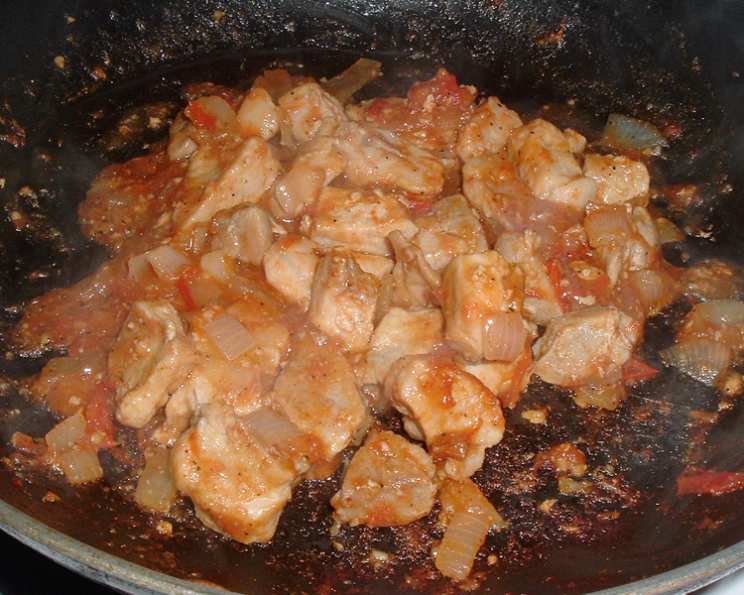
Pork Adobo: A Taste of Home
The scent of simmering vinegar, garlic, and soy sauce is, for me, the very essence of home. I can almost feel the warmth of my Lola’s (grandmother’s) kitchen, the comforting weight of a family gathering, and the shared laughter echoing around the table. Adobo was always the centerpiece – a humble dish, elevated by the love and tradition poured into every pot. It’s a reminder that the simplest ingredients, prepared with care, can create the most profound memories.
Recipe Overview
- Prep Time: 15 minutes
- Cook Time: 40 minutes
- Total Time: 55 minutes
- Servings: 5
- Dietary Type: Not specified (contains meat)
Ingredients
- 2 lbs lean pork, cut into desired pieces
- 3 tablespoons vinegar
- 1 1/2 teaspoons salt
- 1/2 cup water
- 2 cloves garlic, crushed
- 1 small onion, chopped
- 3 tablespoons cooking oil
- Peppercorns, to taste
- 1/4 cup tomatoes, chopped
Equipment Needed
- Large pot or Dutch oven
- Skillet or frying pan
- Knife
- Cutting board
Instructions
-
Begin by thoroughly washing the pork under cold water. Once washed, cut the pork into pieces according to your preference. Traditional adobo often features bite-sized chunks, but larger pieces also work well.
-
In a large pot or Dutch oven, combine the pork with the vinegar, salt, crushed garlic, and peppercorns. Mix well to ensure the pork is evenly coated with the marinade.
-
Allow the pork to marinate and cook in its own juices for approximately 30 minutes over medium heat. This step allows the flavors to meld and the pork to begin to tenderize.
-
While the pork is cooking, prepare the aromatic base for the adobo. In a skillet or frying pan, heat the cooking oil over medium heat.
-
Once the oil is hot, add the crushed garlic to the skillet. Sauté the garlic until it turns golden brown and fragrant, being careful not to burn it. Burnt garlic can impart a bitter taste to the dish.
-
Add the chopped onions to the skillet and sauté until they become translucent and softened. This usually takes about 3-5 minutes.
-
Next, add the chopped tomatoes to the skillet. Cook the tomatoes until they break down and release their juices, forming a slightly thickened sauce. This may take around 5-7 minutes.
-
Once the tomato mixture is ready, add the pork adobo (including the cooking liquid) to the skillet.
-
Bring the mixture to a simmer, then reduce the heat to low, cover the skillet, and cook for another 30 minutes, or until the pork is tender and the sauce has thickened to your desired consistency. Adjust cooking time depending on the size of your pork pieces.
-
Periodically check the liquid level and add a bit of water if necessary to prevent the pork from sticking to the pan. The sauce should be rich and glossy.
-
Once the pork is tender and the sauce has thickened, taste and adjust the seasoning as needed. You may want to add more salt, pepper, or a splash of vinegar to achieve the perfect balance of flavors.
-
Serve hot with steamed rice.
Expert Tips & Tricks
- Marinating Time: While the recipe calls for a 30-minute marinade, you can marinate the pork for longer – even overnight – in the refrigerator for a more intense flavor.
- Browning the Pork: For a richer, deeper flavor, brown the pork in the skillet before adding the vinegar and other ingredients. This will add another layer of complexity to the dish.
- Vinegar Choice: While the recipe calls for generic vinegar, you can experiment with different types of vinegar, such as cane vinegar or apple cider vinegar, to alter the flavor profile.
- Adjusting the Sauce: If the sauce is too thin, you can remove the pork from the skillet and simmer the sauce over medium heat until it reduces and thickens. Conversely, if the sauce is too thick, add a little water or broth to thin it out.
- Bay Leaves: Consider adding a couple of bay leaves to the pot during the simmering process. They add a subtle, aromatic complexity. Remember to remove them before serving.
- Soy Sauce (Optional): While this recipe does not call for soy sauce, many variations of adobo include it. If you prefer a darker, saltier flavor, add 1-2 tablespoons of soy sauce along with the vinegar.
- Sugar (Optional): Some people prefer a slightly sweet adobo. Add a teaspoon or two of brown sugar or white sugar to balance the acidity of the vinegar.
Serving & Storage Suggestions
Pork adobo is best served hot with a generous portion of steamed white rice. The savory and tangy sauce perfectly complements the fluffy rice. You can also serve it with a side of steamed or stir-fried vegetables, such as green beans or bok choy, to add a touch of freshness.
Leftover adobo can be stored in an airtight container in the refrigerator for up to 3-4 days. To reheat, simply warm it in a skillet over medium heat or in the microwave. You may need to add a splash of water if the sauce has thickened too much.
For longer storage, you can freeze adobo in an airtight container for up to 2-3 months. Thaw it overnight in the refrigerator before reheating. Freezing may slightly alter the texture of the pork, but the flavor will remain largely intact.
Nutritional Information
Note: Nutritional information is an estimate and may vary based on specific ingredients and portion sizes.
| Nutrient | Amount per Serving | % Daily Value |
|---|---|---|
| Calories | 342 kcal | N/A |
| Calories from Fat | 166 kcal | N/A |
| Total Fat | 18.5 g | 28% |
| Saturated Fat | 4.6 g | 23% |
| Cholesterol | 107 mg | 35% |
| Sodium | 794.1 mg | 33% |
| Total Carbohydrate | 2.1 g | 0% |
| Dietary Fiber | 0.4 g | 1% |
| Sugars | 0.8 g | 3% |
| Protein | 39.2 g | 78% |
Variations & Substitutions
- Chicken Adobo: Substitute the pork with chicken thighs or drumsticks for a lighter, equally delicious version. Adjust cooking time accordingly, as chicken cooks faster than pork.
- Vegetarian Adobo: Use firm tofu or mushrooms in place of the pork. Marinate and cook them according to the recipe instructions.
- Spicy Adobo: Add a pinch of chili flakes or a chopped chili pepper to the skillet along with the garlic and onions for a spicy kick.
- Adobo sa Gata (with Coconut Milk): Add a can of coconut milk to the adobo during the last 15 minutes of cooking for a richer, creamier sauce.
- Adobo with Potatoes: Add cubed potatoes to the skillet along with the pork. The potatoes will absorb the flavorful sauce and become wonderfully tender.
- Sweet and Sour Adobo: Add a tablespoon of sugar and a tablespoon of soy sauce to the adobo for a sweet and sour flavor profile.
FAQs (Frequently Asked Questions)
Q: Can I use a different cut of pork?
A: Absolutely! While lean pork is recommended, you can use pork belly or shoulder for a richer, more flavorful adobo. Adjust the cooking time as needed to ensure the pork is tender.
Q: Can I skip the marinating step?
A: While marinating enhances the flavor, you can skip it if you’re short on time. However, the flavors won’t be as pronounced.
Q: How do I prevent the pork from becoming dry?
A: Ensure there’s enough liquid in the skillet throughout the cooking process. Add water or broth as needed to keep the pork moist.
Q: Can I make this in a slow cooker?
A: Yes! Combine all the ingredients in a slow cooker and cook on low for 6-8 hours or on high for 3-4 hours.
Q: What if my adobo is too sour?
A: Add a teaspoon or two of sugar to balance the acidity. You can also add a splash of soy sauce or water to dilute the vinegar.
Final Thoughts
Pork adobo is more than just a recipe; it’s a journey into Filipino culinary heritage. It’s an invitation to create memories, share laughter, and savor the simple joys of life. Don’t be afraid to experiment with the ingredients and adjust the recipe to your liking. Most importantly, enjoy the process and share your delicious creation with family and friends. Pair it with a side of fresh greens and a cold drink for a truly satisfying meal. Kain na! (Let’s eat!)