
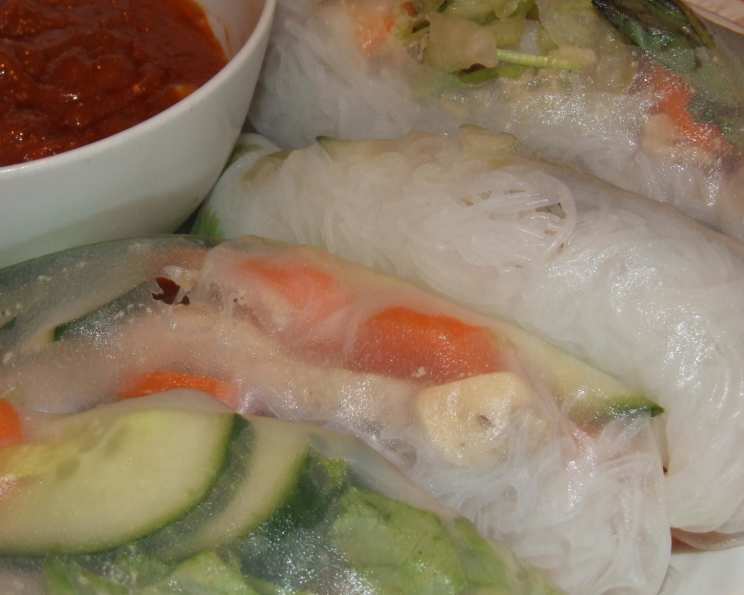
Pork and Shrimp Spring Rolls (Goi Cuon) With Peanut Sauce (Nuoc Leo): A Culinary Journey to Vietnam
The first time I tasted a true Goi Cuon, I was a wide-eyed culinary student backpacking through Southeast Asia. It wasn’t in a fancy restaurant, but from a street vendor in Hoi An, Vietnam. The air was thick with the scent of grilling meats and fragrant herbs, and the vibrant colours of the market assaulted my senses in the best possible way. That delicate, translucent roll, bursting with fresh herbs, tender pork, and sweet shrimp, dipped in a creamy, nutty sauce, was an epiphany. The combination of textures and flavours – crisp vegetables, chewy vermicelli, savoury pork, and sweet seafood – was unlike anything I had ever experienced. It was more than just food; it was a taste of Vietnam itself, a delicious bite of its culture and history, and I’ve been chasing that experience ever since.
Recipe Overview
- Prep Time: 1 hour
- Cook Time: 15 minutes
- Total Time: 1 hour 15 minutes (plus marinating time)
- Servings: 6
- Yield: Approximately 12 spring rolls
- Dietary Type: Not Gluten-Free (contains soy in hoisin sauce), Dairy-Free
Ingredients
- For the Pork:
- 1 lb pork tenderloin, trimmed
- 1 shallot, finely chopped
- 2 garlic cloves, minced
- 1 1/2 tablespoons Vietnamese fish sauce
- 1 tablespoon sugar
- 1/4 teaspoon fresh ground black pepper
- Peanut oil (optional) or olive oil (optional)
- For the Spring Rolls:
- 1/2 lb fine rice vermicelli (bun)
- 12 (10 inch) rice paper sheets (banh trang)
- 1 lb boiled shrimp, sliced in 1/2 lengthwise
- 1 medium cucumber, halved lengthwise and then thinly sliced on the diagonal
- 1 1/2 cups thinly shredded romaine lettuce
- 48 mint leaves
- 24 fresh cilantro stems
- 48 sprigs Thai basil
- 1 carrot, cut into julienne
- For the Peanut Sauce (Nuoc Leo):
- 1 tablespoon peanut oil
- 3 garlic cloves, minced
- 1 teaspoon chili paste
- 1 tablespoon tomato paste
- 1/2 cup chicken stock or 1/2 cup water, plus 2 tablespoons chicken stock or 2 tablespoons water
- 1/2 teaspoon sugar
- 2 tablespoons peanut butter
- 1/4 cup hoisin sauce
- 1/4 cup unsalted dry roasted peanuts, finely chopped
- 1 fresh Thai red chili pepper, seeded and thinly sliced (optional)
- Sriracha sauce, for garnishing (optional)
Equipment Needed
- Bowl
- Plastic wrap
- Grill
- Instant-read thermometer
- Plate
- Colander
- Clean kitchen towel
- Small saucepan
- Whisk
Instructions
-
Marinate the Pork: In a bowl, combine the pork tenderloin with the finely chopped shallot, minced garlic, fish sauce, sugar, black pepper, and oil (if using). Turn the pork to ensure it is evenly coated with the marinade. Cover the bowl tightly with plastic wrap and marinate in the refrigerator for at least 1 hour, or preferably overnight, turning the pork occasionally to allow the flavours to penetrate.
-
Grill the Pork: Preheat your grill to high heat. Remove the marinated pork tenderloin from the refrigerator. Grill the tenderloin, turning it occasionally, until it is just cooked through. Use an instant-read thermometer to ensure that the internal temperature reaches 145 degrees F. This usually takes about 8-12 minutes, depending on the thickness of the tenderloin. Be careful not to overcook the pork, as it will become dry.
-
Cool and Slice the Pork: Once the pork is cooked, transfer it to a plate and allow it to cool to room temperature. This is important because slicing hot pork can cause it to shred. Once cooled, slice the tenderloin into very thin slices, about 1/8-inch thick. Cover the sliced pork and refrigerate it until you are ready to assemble the spring rolls.
-
Prepare the Rice Vermicelli: Cook the rice vermicelli according to the package directions. Once cooked, strain the vermicelli in a colander. Immediately run cold running water over the vermicelli until it is cool to the touch. This stops the cooking process and prevents the noodles from sticking together. Set the vermicelli aside in the colander to drain thoroughly.
-
Assemble the Spring Rolls: This is where the fun begins! Fill a shallow dish or pie plate with lukewarm water. Work with one rice paper wrapper at a time. Dip 1 rice paper sheet (banh trang) into the lukewarm water and quickly transfer it to a clean kitchen towel. The wrapper will soften within seconds.
-
Layer the Ingredients: Lay 4 shrimp halves in a horizontal line across the center of the softened wrapper. Top the shrimp with a few tablespoons of the cooked and well-drained vermicelli. Add 1 or 2 slices of cucumber, 2 tablespoons or so of the shredded romaine lettuce, 4 mint leaves, 2 sprigs of cilantro, and 4 basil leaves. Place a few sticks of carrot julienne along the top of the filling ingredients and top with 2 slices of pork.
-
Roll the Spring Rolls: Carefully pull the lower edge of the wrapper up and over the filling, tucking it in tightly. Fold the two sides inward over the filling and press gently to seal. Work carefully to avoid tearing the delicate wrapper. Once both sides are folded inward, roll the spring roll upwards so that the filling is tightly contained and roll it up completely to seal.
-
Repeat and Serve: Set the finished spring roll aside on a plate, covered with a damp paper towel or a damp clean kitchen towel to prevent it from drying out. Repeat the process with the remaining wrappers and filling. Once you have assembled all of the spring rolls, serve them immediately – either at room temperature or slightly chilled – with the Peanut Sauce on the side for dipping.
-
Prepare the Peanut Sauce (Nuoc Leo): Heat the peanut oil in a small saucepan over medium heat. When the oil is hot, add the minced garlic, chili paste, and tomato paste. Cook until the garlic is golden and fragrant, about 30 seconds, being careful not to burn the garlic.
-
Simmer the Sauce: Add the chicken stock (or water), sugar, peanut butter, and hoisin sauce to the saucepan. Whisk well to combine all of the ingredients. Bring the mixture to a boil, then reduce the heat to low and simmer for 3 minutes, stirring occasionally, to allow the sauce to thicken slightly and the flavours to meld.
-
Cool and Serve: Remove the peanut sauce from the heat and allow it to cool slightly before serving. Serve in small bowls, garnished with the finely chopped peanuts, sliced Thai red chili pepper (optional), and a drizzle of sriracha sauce (optional). The sauce can be served warm or at room temperature.
Expert Tips & Tricks
- Preventing Sticky Noodles: Toss the cooked and drained vermicelli with a teaspoon of sesame oil to prevent them from sticking together.
- Perfectly Soft Rice Paper: Don’t soak the rice paper for too long, as it will become too sticky and difficult to handle. A quick dip is all it needs.
- Assembly Line Efficiency: Set up an assembly line with all your ingredients prepped and ready to go to speed up the rolling process.
- Herb Placement: Place the more delicate herbs (like basil and mint) closer to the inside of the roll, so they don’t get bruised or torn during rolling.
- Gluten-Free Option: Ensure the hoisin sauce is gluten-free, or use a substitute such as a gluten-free tamari sauce blended with a touch of molasses and peanut butter for a similar flavour profile.
Serving & Storage Suggestions
Serve these spring rolls immediately for the best texture and flavour. They can be served at room temperature or slightly chilled. Arrange them artfully on a platter, garnished with extra herbs and a bowl of the peanut dipping sauce.
Leftover spring rolls are best stored in the refrigerator, wrapped individually in plastic wrap or placed in an airtight container with a damp paper towel to prevent them from drying out. They will last for 1-2 days in the refrigerator. The rice paper tends to harden over time, so it’s best to eat them as soon as possible. Reheating is not recommended as it can make the rice paper gummy. The peanut sauce can be stored separately in an airtight container in the refrigerator for up to 5 days.
Nutritional Information
| Nutrient | Amount per Serving | % Daily Value |
|---|---|---|
| Calories | 450 kcal | 23% |
| Total Fat | 20g | 31% |
| Saturated Fat | 5g | 25% |
| Cholesterol | 150mg | 50% |
| Sodium | 700mg | 30% |
| Total Carbohydrate | 40g | 13% |
| Dietary Fiber | 3g | 12% |
| Sugars | 10g | N/A |
| Protein | 30g | 60% |
Note: Nutritional information is an estimate and may vary based on specific ingredients and preparation methods.
Variations & Substitutions
- Vegetarian Spring Rolls: Omit the pork and shrimp, and add more vegetables such as bean sprouts, shredded carrots, and tofu.
- Spicy Spring Rolls: Add a pinch of red pepper flakes or a drizzle of sriracha to the filling for a spicy kick.
- Herby Delight: Experiment with different herbs like lemon balm or Vietnamese coriander for unique flavour profiles.
- Grilled Chicken: Substitute the pork tenderloin with grilled chicken breast for a leaner option.
- Seafood Extravaganza: Add cooked scallops or calamari to the spring roll for a more diverse seafood experience.
FAQs (Frequently Asked Questions)
Q: Can I make the spring rolls ahead of time?
A: While they are best served fresh, you can assemble the spring rolls a few hours in advance. Wrap them individually in plastic wrap and store them in the refrigerator to prevent them from drying out.
Q: What can I use instead of rice paper if I can’t find it?
A: Unfortunately, there isn’t a perfect substitute for rice paper, as it provides the unique translucent and slightly chewy texture. However, you could try using lettuce wraps as a healthier alternative.
Q: How do I prevent the rice paper from tearing?
A: Avoid over-soaking the rice paper and be gentle when handling it. Make sure to use a clean, damp towel to work on.
Q: Can I freeze the spring rolls?
A: Freezing is not recommended, as the rice paper will become gummy and the vegetables will lose their texture.
Q: What is Vietnamese fish sauce, and can I substitute it?
A: Vietnamese fish sauce (Nuoc Mam) is a fermented fish sauce essential to Southeast Asian cuisine, lending a salty and umami flavor. You can substitute it with soy sauce or tamari in a pinch, but the flavor will not be quite the same.
Final Thoughts
This Pork and Shrimp Spring Roll recipe is more than just a meal; it’s an invitation to experience the vibrant flavours and textures of Vietnamese cuisine. Don’t be intimidated by the assembly process – with a little practice, you’ll be rolling like a pro in no time. Feel free to experiment with different fillings and sauces to create your own unique variation. I encourage you to try this recipe and share your creations with friends and family. Pair these refreshing spring rolls with a crisp Sauvignon Blanc or a light Asian beer for the perfect culinary experience. Chúc ngon miệng! (Bon appétit!)