
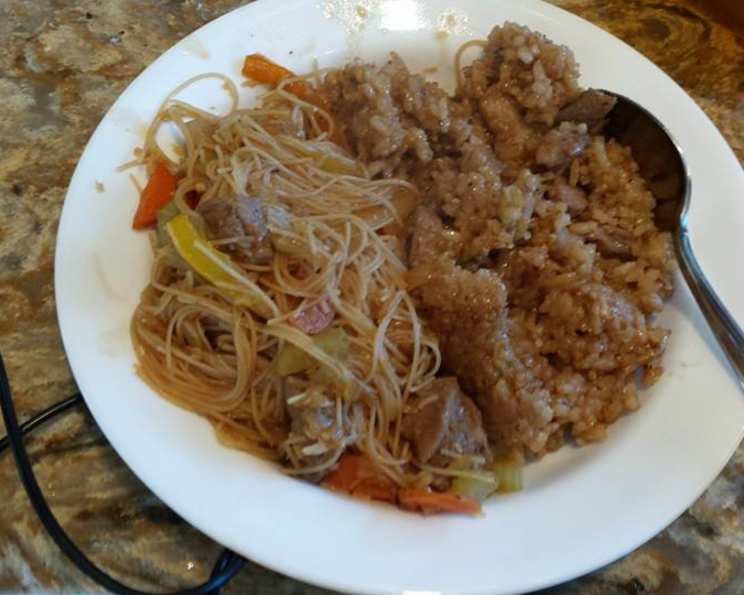
Pork and Vegetable Lo Mein (Easy and Delicious)
The aroma alone transports me back to my college days. Late nights fueled by study sessions often ended with a mad dash to the local takeout place, craving that comforting, savory blend of noodles, vegetables, and protein. It was a quick, affordable, and incredibly satisfying meal – a true staple. While I appreciated the convenience then, I now enjoy recreating that same experience at home, elevating it with fresh ingredients and a personal touch. This Pork and Vegetable Lo Mein recipe captures the essence of that classic dish, but with the added benefit of being incredibly easy to make and customize to your liking.
Recipe Overview
- Prep Time: 15 minutes
- Cook Time: 25 minutes
- Total Time: 40 minutes
- Servings: 4-6
- Dietary Type: Adaptable (see variations for Gluten-Free)
Ingredients
- 3 tablespoons olive oil
- 8 ounces spaghetti, cooked al dente and drained
- 1 lb pork tenderloin, sliced thinly into strips
- 1 medium onion, sliced in wedges
- 2 garlic cloves, minced
- 1⁄8 teaspoon crushed red pepper flakes (or more to taste)
- 2 cups shredded cabbage (coleslaw mix works great)
- 2 stalks bok choy, sliced (or celery ribs)
- 1 cup sliced carrot
- 2 sweet bell peppers, thinly sliced (red, orange, or yellow)
- 1⁄3 cup soy sauce
Equipment Needed
- Large skillet or wok
- Cutting board
- Knife
- Measuring spoons and cups
Instructions
-
Begin by prepping your ingredients. Slice the pork tenderloin into thin strips. Slice the onion into wedges, mince the garlic, and slice the bok choy (or celery ribs) and bell peppers. If you’re not using pre-shredded options, slice the carrots and shred the cabbage. Cook the spaghetti according to package directions until al dente, then drain well. Al dente is key here – you want the noodles to have a bit of bite, as they will cook further in the sauce.
-
Heat 2 tablespoons of olive oil in a large skillet or wok over medium-high heat.
-
Add the sliced pork tenderloin, onion, garlic, and crushed red pepper flakes to the hot skillet. Sauté until the pork is no longer pink and is cooked through. This usually takes about 5-7 minutes. Be careful not to overcrowd the pan; cook in batches if necessary to ensure even browning. Remove the pork mixture from the pan and set aside, keeping it warm.
-
Add the remaining 1 tablespoon of olive oil (or more as needed) to the same skillet.
-
Add the shredded cabbage, bok choy (or celery), sliced carrot, and bell peppers to the skillet. Sauté until the vegetables are crisp-tender. This means they should be cooked through but still retain a slight crunch. This usually takes around 5-7 minutes, depending on your desired level of tenderness. Stir frequently to prevent burning.
-
Add the cooked and drained spaghetti to the skillet with the cooked vegetables.
-
Pour in the soy sauce and stir well to combine, ensuring the noodles and vegetables are evenly coated with the sauce.
-
Add the cooked pork mixture back to the skillet.
-
Cook for approximately 5 minutes, or until everything is heated through. At this stage, you can continue cooking for a few extra minutes to achieve a darker, more caramelized color on the noodles, if desired. Just be sure to stir frequently to prevent sticking or burning.
-
Taste and adjust seasonings as needed. You may want to add a little more soy sauce for saltiness, a splash of sesame oil for added flavor, or a pinch more crushed red pepper flakes for extra heat.
Expert Tips & Tricks
- Pre-Shredded Veggies: Save time by using pre-shredded coleslaw mix and pre-shredded carrots. This is a great shortcut for busy weeknights.
- Pork Prep: For even easier slicing, partially freeze the pork tenderloin for about 20-30 minutes before slicing. This makes it firmer and easier to cut into thin, even strips.
- Noodle Know-How: Don’t overcook the spaghetti! Al dente is crucial for the best texture in the final dish. Overcooked noodles will become mushy and unappetizing.
- Spice It Up: Adjust the amount of crushed red pepper flakes to your liking. If you prefer a milder flavor, omit them altogether. For extra heat, add a pinch of cayenne pepper or a drizzle of sriracha.
- Sauce Boost: For a richer, more complex flavor, consider adding a teaspoon of grated fresh ginger and a tablespoon of rice vinegar to the soy sauce mixture.
- Wok Hei: If you have a wok, using it will impart a smoky, slightly charred flavor known as “wok hei.” Just make sure to work in batches and keep the wok very hot.
Serving & Storage Suggestions
Serve the Pork and Vegetable Lo Mein hot, garnished with a sprinkle of sesame seeds and chopped green onions, if desired. A side of chili oil or a drizzle of sesame oil can also enhance the flavor.
Leftovers can be stored in an airtight container in the refrigerator for up to 3-4 days. To reheat, microwave until heated through, or stir-fry in a skillet with a little oil. Add a splash of water or broth if the noodles seem dry. Freezing is not recommended, as the noodles may become mushy upon thawing.
Nutritional Information
| Nutrient | Amount per Serving | % Daily Value |
|---|---|---|
| Calories | 499.6 kcal | N/A |
| Calories from Fat | 137 g | 28% |
| Total Fat | 15.3 g | 23% |
| Saturated Fat | 3 g | 14% |
| Cholesterol | 73.8 mg | 24% |
| Sodium | 1438 mg | 59% |
| Total Carbohydrate | 55 g | 18% |
| Dietary Fiber | 5.4 g | 21% |
| Sugars | 7.3 g | N/A |
| Protein | 35.1 g | 70% |
Note: Nutritional information is an estimate and may vary depending on specific ingredients and portion sizes.
Variations & Substitutions
- Vegetarian Lo Mein: Substitute the pork with tofu or tempeh. Press the tofu to remove excess water before stir-frying.
- Chicken Lo Mein: Use boneless, skinless chicken breasts or thighs instead of pork.
- Shrimp Lo Mein: Add cooked shrimp during the last few minutes of cooking.
- Gluten-Free Lo Mein: Use gluten-free spaghetti or rice noodles and gluten-free soy sauce (tamari).
- Vegetable Variations: Feel free to add or substitute other vegetables, such as mushrooms, snow peas, bean sprouts, or water chestnuts.
- Spicy Lo Mein: Add a tablespoon of sriracha or chili garlic sauce to the soy sauce mixture for extra heat.
- Peanut Sauce Lo Mein: Omit the soy sauce and use a peanut sauce instead.
- Lower Sodium Lo Mein: Use low-sodium soy sauce and reduce the amount used.
FAQs (Frequently Asked Questions)
Q: Can I use different types of noodles for this recipe?
A: Yes, you can substitute spaghetti with other types of noodles, such as lo mein noodles, chow mein noodles, or even rice noodles. Just adjust the cooking time accordingly.
Q: Can I make this recipe ahead of time?
A: While it’s best served fresh, you can prepare the vegetables and pork mixture ahead of time and store them separately in the refrigerator. Then, when you’re ready to eat, simply cook the noodles and combine everything in the skillet.
Q: How can I prevent the noodles from sticking together?
A: Make sure to cook the noodles al dente and drain them well. Toss them with a little oil after draining to prevent them from sticking together.
Q: Can I add other sauces to this recipe?
A: Absolutely! Experiment with different sauces to customize the flavor to your liking. Some good options include oyster sauce, hoisin sauce, or teriyaki sauce.
Q: How can I make this recipe healthier?
A: Use lean pork tenderloin, load up on the vegetables, and use low-sodium soy sauce. You can also use whole-wheat spaghetti for added fiber.
Final Thoughts
This Pork and Vegetable Lo Mein is more than just a recipe; it’s an invitation to create a delicious, customizable, and satisfying meal that’s perfect for any occasion. Whether you’re looking for a quick weeknight dinner or a flavorful dish to share with friends and family, this recipe is sure to please. So, grab your wok (or skillet!), gather your ingredients, and get ready to experience the joy of homemade Lo Mein. Don’t be afraid to experiment with different variations and substitutions to make it your own. And, of course, I’d love to hear your feedback and see your creations! Enjoy!