
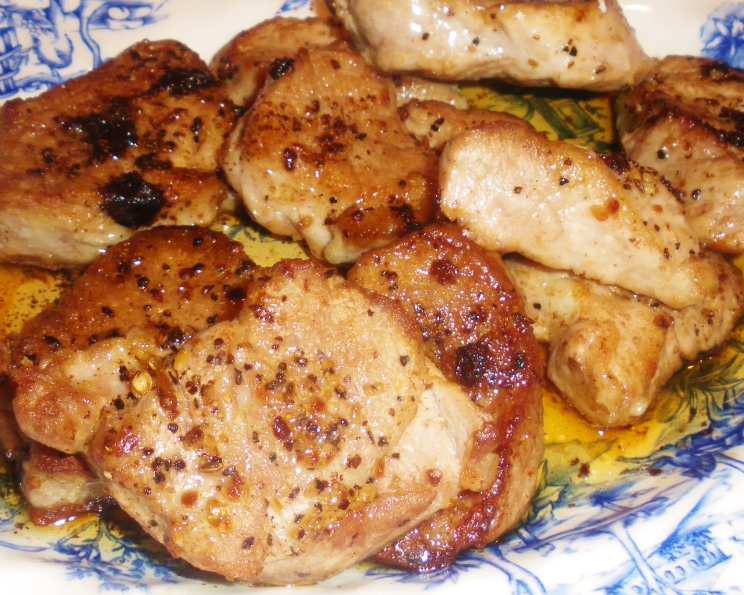
Pork Au Poivre: A Peppery Delight in Minutes
The first time I tasted anything au poivre, I was a starry-eyed culinary student in France. I remember the aroma of cracked black peppercorns sizzling in butter, the sharpness of the brandy igniting, and the rich, savory sauce coating a perfectly seared steak. It was an explosion of flavors that instantly elevated a simple cut of meat. Now, decades later, that memory still inspires me to bring the same elegant, yet approachable, experience to my own kitchen, and this Pork Au Poivre recipe makes it easier than ever.
Recipe Overview
- Prep Time: 5 minutes
- Cook Time: 20 minutes
- Total Time: 25 minutes
- Servings: 4
- Dietary Type: Gluten-Free (if using gluten-free brandy/whiskey)
Ingredients
- 1 1/4 lbs pork tenderloin
- 3 tablespoons butter
- 1 tablespoon vegetable oil
- 1 tablespoon fresh coarse ground black pepper (or more, to taste!)
- 2 tablespoons brandy or whiskey
Equipment Needed
- Nonstick skillet
- Knife
- Cutting board
- Serving platter
Instructions
-
Begin by preparing the pork tenderloin. Place it on a cutting board and use a sharp knife to cut it into approximately 3/4-inch thick slices. Aim for about 16 slices in total. This thickness ensures quick and even cooking.
-
Next, heat 1 tablespoon of the butter along with the vegetable oil in a nonstick skillet over medium heat. The combination of butter and oil provides both flavor and a higher smoke point, preventing the butter from burning.
-
Generously rub the fresh coarse ground black pepper onto one side of each pork slice, ensuring a good coating. The amount of pepper you use is entirely up to your preference – if you love heat, don’t be shy! This peppery crust is the defining characteristic of au poivre.
-
Carefully add the pork slices to the hot skillet, working in batches to avoid overcrowding. Place the pork pepper-side down first. This ensures that the pepper adheres well and creates a beautiful crust.
-
Cook the pork, turning once, until just cooked through. This typically takes about 5 minutes per side. Remember, overcooking pork will result in a dry and less palatable dish, so keep a close eye on it. The internal temperature should reach 145°F (63°C) for safe consumption.
-
Once cooked, immediately remove the pork slices to a heated serving platter. A warm platter will help maintain the temperature of the pork while you prepare the sauce.
-
If necessary, use the remaining butter to cook any remaining pork slices, repeating the previous steps. Ensure the skillet remains hot enough to sear the meat properly.
-
Reduce the heat under the skillet to low. Then, carefully add the brandy or whiskey to the pan, deglazing the skillet by scraping up any browned bits from the bottom. These bits, called fond, are packed with flavor and will enrich the sauce.
-
Increase the heat to medium-high and bring the liquid to a boil. Allow it to boil for about 30 seconds, just enough to evaporate the alcohol. This will leave behind the concentrated flavors of the brandy or whiskey. Be cautious when adding the brandy or whiskey, as it may briefly ignite.
-
Immediately pour the brandy reduction over the pork slices on the serving platter. Serve hot and enjoy the delightful peppery flavor.
Expert Tips & Tricks
- Pork Tenderloin Perfection: Opt for a high-quality pork tenderloin that is pale pink in color and firm to the touch. Avoid pork that looks discolored or feels slimy.
- Achieving the Perfect Sear: Ensure your skillet is hot before adding the pork. This will help create a beautiful crust and prevent the pork from sticking.
- Spice it Up: Experiment with different types of peppercorns, such as green, pink, or white, for a unique flavor profile.
- The Secret to a Flavorful Sauce: Don’t skip the deglazing step! Scraping up the browned bits from the skillet is crucial for adding depth and complexity to the sauce.
- Temperature is Key: Use a meat thermometer to ensure the pork is cooked to the perfect internal temperature of 145°F (63°C). This will guarantee juicy and tender pork.
Serving & Storage Suggestions
Serve Pork Au Poivre immediately after cooking for the best flavor and texture. It pairs well with a variety of sides, such as creamy mashed potatoes, roasted vegetables, or a simple green salad.
To store leftovers, allow the pork to cool completely before transferring it to an airtight container. Store in the refrigerator for up to 3 days. To reheat, gently warm the pork in a skillet over low heat, adding a splash of broth or water to prevent it from drying out. Alternatively, you can reheat it in the microwave, but be careful not to overcook it.
Pork Au Poivre is best enjoyed fresh and isn’t ideal for freezing, as the texture of the pork may change upon thawing.
Nutritional Information
| Nutrient | Amount per Serving | % Daily Value |
|---|---|---|
| Calories | 280 kcal | – |
| Total Fat | 17g | 26% |
| Saturated Fat | 8g | 38% |
| Cholesterol | 115mg | 38% |
| Sodium | 150mg | 6% |
| Total Carbohydrate | 1g | 0% |
| Dietary Fiber | 0g | 1% |
| Sugars | 0g | – |
| Protein | 30g | 59% |
Note: Nutritional information is an estimate and may vary based on specific ingredients and portion sizes.
Variations & Substitutions
- Creamy Au Poivre: For a richer sauce, add a splash of heavy cream or crème fraîche to the skillet after deglazing with brandy.
- Mustard Au Poivre: Stir in a teaspoon of Dijon mustard to the sauce for a tangy twist.
- Wine-Infused: Substitute the brandy with a dry red wine for a different depth of flavor.
- Spice Level: Adjust the amount of black pepper to your liking. For a milder flavor, use less pepper. For a spicier kick, use more or add a pinch of cayenne pepper.
FAQs (Frequently Asked Questions)
Q: Can I use a different cut of pork for this recipe?
A: While pork tenderloin is ideal due to its tenderness and quick cooking time, you can also use pork loin or pork chops. Adjust the cooking time accordingly to ensure the pork is cooked through but remains juicy.
Q: Is it necessary to use brandy or whiskey?
A: While brandy or whiskey adds a distinctive flavor to the sauce, you can substitute it with chicken broth or beef broth if you prefer. The alcohol evaporates during cooking, but using broth will still help deglaze the pan and create a flavorful sauce.
Q: How do I prevent the pork from becoming dry?
A: The key to preventing dry pork is to avoid overcooking it. Use a meat thermometer to ensure the pork reaches an internal temperature of 145°F (63°C). Also, searing the pork in a hot skillet helps to seal in the juices.
Q: Can I make this recipe ahead of time?
A: While the pork is best served immediately, you can prepare the sauce ahead of time and store it in the refrigerator. When ready to serve, simply reheat the sauce and pour it over freshly cooked pork.
Q: What side dishes pair well with Pork Au Poivre?
A: Pork Au Poivre pairs well with a variety of sides, such as mashed potatoes, roasted vegetables, rice pilaf, or a simple green salad. Choose sides that complement the rich and peppery flavor of the pork.
Final Thoughts
There you have it – a simple yet sophisticated Pork Au Poivre recipe that’s perfect for a weeknight dinner or a special occasion. This dish showcases how a few high-quality ingredients and classic French techniques can transform a humble cut of pork into something truly extraordinary. So, gather your ingredients, unleash your inner chef, and savor the peppery perfection. Don’t hesitate to experiment with variations and make this recipe your own. And, of course, I’d love to hear your feedback and see your creations. Bon appétit! Pair this delectable dish with a crisp, dry white wine like Sauvignon Blanc or a light-bodied red wine like Pinot Noir to elevate the dining experience.