
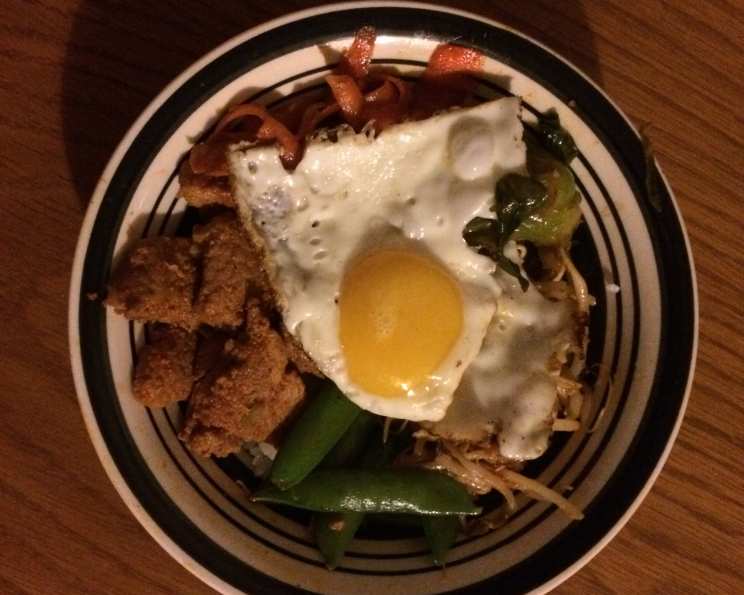
Pork Bibimbap: A Symphony of Flavors in a Bowl
Bibimbap. Even the name dances on the tongue, a promise of the vibrant flavors to come. My first encounter with this Korean staple was at a tiny, hole-in-the-wall restaurant in Seoul. The steaming bowl, piled high with colorful vegetables and a perfectly fried egg, was an instant revelation. That first bite – the savory pork melding with the sweet and spicy gochujang, the crisp vegetables, and the comforting rice – transported me. I knew then that I had to master this dish and share its magic with the world.
Recipe Overview
- Prep Time: 20 minutes
- Cook Time: 40 minutes
- Total Time: 1 hour
- Servings: 6
- Dietary Type: Adaptable (can be gluten-free, dairy-free)
Ingredients
- 1 lb pork tenderloin
- 8 ounces Brussels sprouts
- 6 ounces bean sprouts
- 8 ounces shiitake mushrooms, sliced
- 2 large carrots, shredded
- 4 ounces snap peas
- 3 ounces sesame oil
- 3 tablespoons Chinkiang vinegar
- 3 ounces olive oil
- 6 tablespoons gochujang (Korean chili paste)
- 3 tablespoons sugar
- 3 teaspoons apple cider vinegar
- 2 tablespoons sesame seeds
- 3 garlic cloves, grated
- 3 teaspoons ginger, grated
- 6 large eggs
- Cooked rice, for serving
Equipment Needed
- Large wok or skillet
- Steamer basket
- Several mixing bowls
- Serving bowls (ideally dolsot bowls, if available)
Instructions
-
Prepare the Gochujang Paste: In a bowl, combine the gochujang, sugar, grated garlic, grated ginger, apple cider vinegar, Chinkiang vinegar, and sesame oil. Mix thoroughly until well combined. This vibrant paste is the heart and soul of the dish.
-
Prepare the Pork: Trim any excess fat from the pork tenderloin. Cut the pork into 1/2-inch chunks. In a bowl, mix the pork thoroughly with a small amount of the prepared gochujang paste, using just enough to coat each piece. Marinate the pork in the refrigerator for at least 4 hours, or even better, overnight. This allows the flavors to penetrate deeply.
-
Cook the Pork: Add 1 tablespoon of olive oil to a medium-hot wok or large skillet. Cook the marinated pork on all sides until browned and cooked through. Remove the pork from the wok and set aside, covering it to keep it warm.
-
Prepare the Vegetables: This is where the visual appeal and the variety of textures come into play. Remember, the key is to cook each vegetable separately in the same wok where the pork was cooked, allowing them to absorb the residual flavors.
-
Steam the Brussels Sprouts and Snap Peas: In a steamer basket set over simmering water, steam the Brussels sprouts and snap peas separately for about 10 minutes, or until they are tender-crisp. Set them aside.
-
Cook the Brussels Sprouts: Cut the steamed Brussels sprouts into quarters or smaller chunks. In a bowl, toss the Brussels sprouts with a small amount of the gochujang paste. Add the Brussels sprouts to the wok (no additional oil is needed, as they have enough moisture) and cook for a few minutes, tossing frequently until heated through and slightly caramelized. Remove from the wok, set aside, and cover.
-
Cook the Bean Sprouts: In a bowl, toss the bean sprouts with a small amount of the gochujang paste. Add the bean sprouts to the wok (again, no additional oil is needed) and cook for a few minutes, stirring frequently, until they are slightly softened but still retain a bit of crunch. Remove from the wok, set aside, and cover.
-
Cook the Carrots: In a bowl, toss the shredded carrots with a small amount of the gochujang paste. Add the carrots to the wok and cook for a few minutes, stirring frequently. Add a little olive oil if needed to prevent sticking. Cook until the carrots are slightly softened. Remove from the wok, set aside, and cover.
-
Cook the Snap Peas: In a bowl, toss the steamed snap peas with a small amount of the gochujang paste. Add the snap peas to the wok and cook for a few minutes, stirring frequently. Add a little olive oil if needed to prevent sticking. Cook until the snap peas are heated through and still crisp-tender. Remove from the wok, set aside, and cover.
-
Cook the Mushrooms: Add a little more olive oil to the wok. Toss the shiitake mushrooms with a small amount of gochujang paste. Add to the wok and stir-fry until tender and lightly browned. Remove from the wok and set aside, and cover.
-
Cook the Eggs: Add some olive oil to a skillet or the cleaned wok. For each serving, cook 1 egg sunny-side up until the egg white is just set but the yolk is still runny. This is the classic bibimbap egg, but you can cook it to your preference.
-
Assemble the Bibimbap: Cook rice according to your preference. Add enough rice to cover the bottom of each serving bowl. If you have dolsot (Korean stone cooking bowls), warm them according to the manufacturer’s instructions before adding the rice.
-
Arrange the Ingredients: Arrange the cooked pork and vegetables in separate wedges around the bowl of rice. This visual arrangement is part of the bibimbap experience.
-
Top and Serve: Top each bowl with a fried egg and sprinkle with sesame seeds. Serve immediately.
Expert Tips & Tricks
- Marinating Time is Key: The longer the pork marinates, the more flavorful it will be. Aim for at least 4 hours, or even overnight.
- Don’t Overcook the Vegetables: The vegetables should be cooked until tender-crisp, not mushy. This provides a delightful textural contrast.
- Adjust the Gochujang: Gochujang can be quite spicy. Adjust the amount to your personal preference. If you’re sensitive to spice, start with a smaller amount and add more to taste.
- Wok Hei (Wok Aroma): Cooking in a wok imparts a unique smoky flavor. If you don’t have a wok, a large skillet will work, but try to get it as hot as possible.
- Make Ahead: The gochujang paste can be made several days in advance and stored in the refrigerator. The vegetables and pork can also be cooked ahead of time and reheated just before serving.
Serving & Storage Suggestions
Serve bibimbap immediately while the rice and vegetables are still warm. The runny egg yolk is meant to be broken and mixed into the rice, creating a rich and creamy sauce. Leftovers can be stored in an airtight container in the refrigerator for up to 3 days. Reheat gently in a microwave or on the stovetop. It’s best to store the egg separately and add it fresh when reheating.
Nutritional Information
| Nutrient | Amount per Serving | % Daily Value |
|---|---|---|
| Calories | 550 kcal | 28% |
| Total Fat | 35g | 45% |
| Saturated Fat | 8g | 40% |
| Cholesterol | 250mg | 83% |
| Sodium | 200mg | 9% |
| Total Carbohydrate | 25g | 8% |
| Dietary Fiber | 5g | 20% |
| Sugars | 12g | N/A |
| Protein | 30g | 60% |
Variations & Substitutions
- Vegetarian Bibimbap: Substitute tofu for the pork. Marinate firm tofu in the gochujang paste and stir-fry until golden brown.
- Gluten-Free Bibimbap: Ensure the gochujang paste you use is gluten-free, as some brands may contain wheat.
- Spicy Bibimbap: Add a pinch of gochugaru (Korean chili flakes) to the gochujang paste for an extra kick.
- Seasonal Vegetables: Feel free to adapt the vegetables to what’s in season. Spinach, zucchini, and cucumbers are all great additions.
FAQs (Frequently Asked Questions)
Q: Can I use a different cut of pork?
A: Yes, you can substitute pork shoulder or pork belly, but they may require longer cooking times. Ensure the pork is cooked thoroughly.
Q: Can I make this vegan?
A: Absolutely! Simply replace the pork with marinated tofu and ensure your gochujang paste is vegan-friendly. Omit the egg, or replace with fried oyster mushrooms.
Q: What if I don’t have Chinkiang vinegar?
A: You can substitute balsamic vinegar or rice vinegar, but the flavor profile will be slightly different.
Q: Can I prepare this ahead of time?
A: Yes, you can cook the pork and vegetables ahead of time and store them in the refrigerator. Assemble the bibimbap just before serving for the best results.
Q: How do I know if the pork is cooked through?
A: The internal temperature of the pork should reach 145°F (63°C). Use a meat thermometer to check.
Final Thoughts
Pork Bibimbap is more than just a meal; it’s an experience. The vibrant colors, the contrasting textures, and the bold flavors all come together to create a dish that is both satisfying and visually stunning. Don’t be intimidated by the number of ingredients or steps – each element is relatively simple to prepare, and the end result is well worth the effort. Gather your ingredients, put on some music, and get ready to create a culinary masterpiece! I encourage you to try this recipe, experiment with different variations, and share your feedback. Pair it with a refreshing Korean beer or a chilled glass of soju for the perfect meal. Enjoy!