
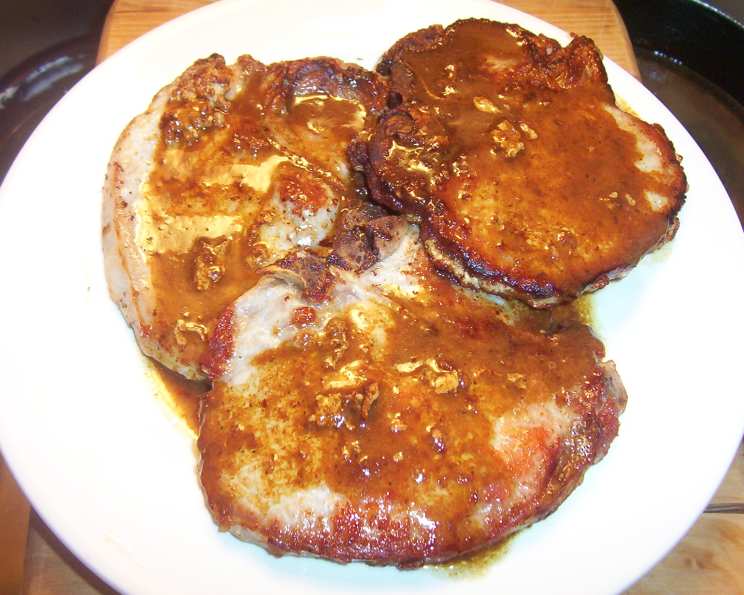
Pork Diane: A Classic Reinvented
The aroma of a perfectly cooked pork loin, kissed with lemon and a hint of pepper, instantly transports me back to my grandmother’s kitchen. She wasn’t a fancy chef, but she possessed a knack for transforming simple ingredients into unforgettable meals. Pork Diane, in her hands, was a masterpiece of savory flavors, a dish that always felt like a special occasion, even on ordinary weeknights. The simplicity of the preparation belied the depth of flavor, a testament to her belief that the best food is made with love and a little bit of culinary intuition.
Recipe Overview
- Prep Time: 5 minutes
- Cook Time: 10 minutes
- Total Time: 15 minutes
- Servings: 4
- Dietary Type: Gluten-Free (naturally)
Ingredients
- 1 tablespoon water
- 1 tablespoon white wine
- Worcestershire sauce
- 1 teaspoon lemon juice
- 1 teaspoon Dijon mustard
- 1 lb boneless pork loin roast (cut into four 3/4- to 1-inch thick slices)
- 1 teaspoon lemon-pepper seasoning
- 2 tablespoons butter or 2 tablespoons margarine
- 1 tablespoon snipped fresh chives or 1 tablespoon fresh parsley
Equipment Needed
- Small bowl
- Skillet
- Cutting board
- Sharp knife
Instructions
- Begin by preparing the sauce. In a small bowl, stir together the water, white wine, Worcestershire sauce, lemon juice, and Dijon mustard. Set the sauce aside to allow the flavors to meld.
- Prepare the pork loin. Trim any separable fat from the pork slices. While a little fat adds flavor, too much can make the dish greasy.
- Season generously. Sprinkle both sides of each pork slice with the lemon-pepper seasoning. Ensure even coverage for a balanced flavor profile.
- Heat the skillet. In a skillet, melt the butter (or margarine) over medium heat. Allow the butter to melt completely and shimmer, but be careful not to let it burn.
- Cook the pork. Carefully place the pork slices in the hot butter. Cook for 6-10 minutes, or until the pork is just slightly pink in the center and the juices run clear. Turn the pork once during the cooking time to ensure even browning and cooking. Use a meat thermometer to confirm an internal temperature of 145°F (63°C).
- Remove and rest. Remove the cooked pork from the skillet and keep it warm. You can tent it with foil to retain heat without steaming it.
- Create the Diane sauce. Remove the skillet from the heat. Add the previously prepared sauce to the skillet. Stir continuously until well blended, scraping up any browned bits (fond) from the skillet. These browned bits are packed with flavor and will add depth to the sauce.
- Serve immediately. To serve, spoon the flavorful sauce generously over the pork slices. Sprinkle with snipped fresh chives or fresh parsley for a pop of color and freshness.
Expert Tips & Tricks
- Pounding the Pork: For more tender pork, place the slices between two sheets of plastic wrap and gently pound them to an even thickness of about 1/2 inch before seasoning. This also helps them cook more quickly and evenly.
- Deglazing the Pan: Don’t skip scraping up the browned bits from the skillet. These are crucial for developing the rich, savory flavor of the Diane sauce. If the pan is particularly stuck, add a splash more wine or water to help lift the fond.
- Butter vs. Margarine: While either butter or margarine can be used, butter will provide a richer flavor and a smoother sauce. If using margarine, opt for a higher-quality variety.
- Wine Choice: A dry white wine like Sauvignon Blanc or Pinot Grigio works best in this recipe. Avoid sweet wines, as they will alter the flavor profile of the sauce. If you prefer not to use wine, substitute it with chicken broth for a similar effect.
- Lemon-Pepper Substitute: If you don’t have lemon-pepper seasoning on hand, you can create your own blend using freshly cracked black pepper and lemon zest.
Serving & Storage Suggestions
Pork Diane is best served immediately while the sauce is hot and the pork is tender. It pairs well with a variety of side dishes, such as:
- Mashed potatoes or creamy polenta
- Roasted asparagus or green beans
- Wild rice pilaf
- A simple green salad
Leftovers can be stored in an airtight container in the refrigerator for up to 3 days. To reheat, gently warm the pork and sauce in a skillet over low heat, or in the microwave. Avoid overcooking, as this can dry out the pork.
Nutritional Information
| Nutrient | Amount per Serving | % Daily Value |
|---|---|---|
| Calories | 192 kcal | N/A |
| Total Fat | 13 g | N/A |
| Cholesterol | 51 mg | N/A |
| Total Carbohydrate | 1 g | N/A |
| Protein | 16 g | N/A |
Nutritional information is an estimate and may vary based on specific ingredients and cooking methods.
Variations & Substitutions
- Creamy Diane: For a richer sauce, stir in a tablespoon of heavy cream or crème fraîche at the end of cooking.
- Mushroom Diane: Sauté sliced mushrooms in the skillet before adding the pork for a more robust flavor.
- Spicy Diane: Add a pinch of red pepper flakes to the sauce for a touch of heat.
- Chicken Diane: Substitute the pork loin with chicken breast for a lighter option. Follow the same cooking instructions, ensuring the chicken is cooked through to an internal temperature of 165°F (74°C).
- Vegetarian Diane: Use thick slices of grilled halloumi cheese or portobello mushrooms in place of the pork.
FAQs (Frequently Asked Questions)
Q: Can I use pork chops instead of pork loin?
A: Yes, you can use pork chops, but be mindful of the cooking time. Pork chops tend to cook faster than pork loin slices, so adjust the cooking time accordingly to avoid drying them out.
Q: Can I make the sauce ahead of time?
A: Yes, you can prepare the sauce ahead of time and store it in the refrigerator for up to 24 hours. When ready to use, simply reheat it in the skillet before adding it to the pork.
Q: How do I know when the pork is cooked through?
A: The best way to ensure the pork is cooked through is to use a meat thermometer. Insert the thermometer into the thickest part of the pork slice, avoiding any bones. The pork should reach an internal temperature of 145°F (63°C).
Q: What if my sauce is too thin?
A: If your sauce is too thin, you can thicken it by simmering it for a few minutes longer to allow some of the liquid to evaporate. Alternatively, you can add a slurry of cornstarch and water (1 teaspoon cornstarch mixed with 1 tablespoon cold water) to the sauce and stir until thickened.
Q: Can I freeze leftover Pork Diane?
A: While you can freeze leftover Pork Diane, the texture of the sauce may change slightly upon thawing. To minimize this, store the pork and sauce separately in airtight containers.
Final Thoughts
Pork Diane is a delightful dish that combines simplicity with elegant flavors. Whether you’re looking for a quick weeknight meal or a dish to impress guests, this recipe is sure to deliver. So, grab your skillet, gather your ingredients, and get ready to experience the deliciousness of Pork Diane. Don’t hesitate to experiment with variations and substitutions to create your own unique version. And most importantly, enjoy the process and the wonderful flavors that await! Share your creations and feedback – I’d love to see your take on this timeless classic!