
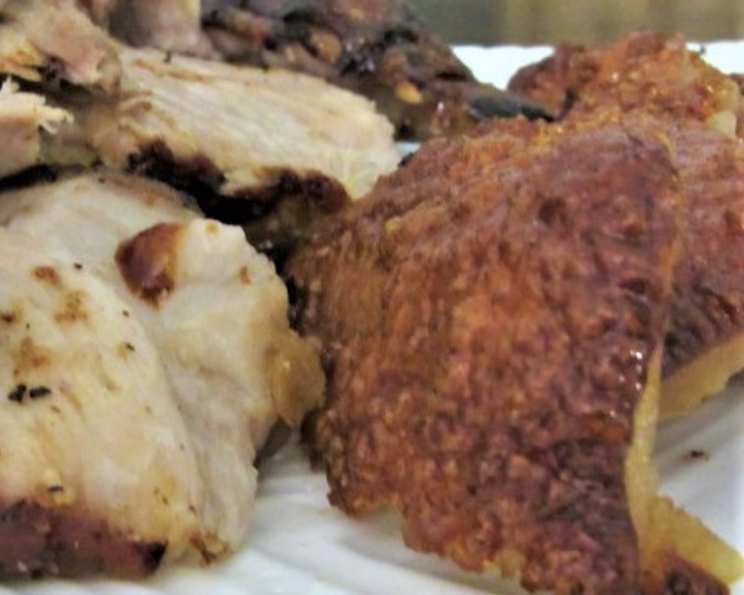
The Art of Patience: Six-Hour Slow Roasted Pork
There’s a specific aroma that instantly transports me back to my grandmother’s kitchen – a blend of savory herbs and slow-cooked pork. Every Sunday, without fail, that intoxicating fragrance would waft through the house, a promise of the most tender, fall-apart pork roast imaginable. It wasn’t just a meal; it was a ritual, a symbol of family and togetherness, and a testament to the magic that time and low heat can work on a simple cut of meat. This recipe, inspired by those cherished memories, captures the essence of that slow-cooked perfection.
Recipe Overview
- Prep Time: 20 minutes
- Cook Time: 6 hours
- Total Time: 6 hours 20 minutes
- Servings: 6
- Dietary Type: Gluten-Free
Ingredients
- 1 (6 lb) boneless boston pork roast (not tied)
- 2 1/4 tablespoons fresh sage (finely chopped)
- 2 1/4 tablespoons fresh rosemary leaves (finely chopped)
- 12 garlic cloves
- 1 1/4 tablespoons fennel seeds
- 1 3/4 tablespoons kosher salt
- 1 1/4 tablespoons fresh ground black pepper
- 1 1/4 tablespoons dry white wine
- 1 1/2 tablespoons extra virgin olive oil
- Kitchen string
Equipment Needed
- Food Processor
- Small Sharp Knife
- Roasting Pan
- Cutting Board
- Electric Knife (optional)
Instructions
-
Preheat your oven to 275 degrees Fahrenheit. Patience is key to this recipe’s success, and a low, consistent temperature is essential.
-
Prepare the Herb Paste: In a food processor, combine the rosemary, sage, garlic, fennel seeds, salt, and pepper. Pulse until a thick paste begins to form.
-
Add Liquids: While the food processor is running, slowly drizzle in the dry white wine and extra virgin olive oil. Continue blending until the mixture is well combined and forms a smooth, fragrant paste.
-
Make Ahead (Optional): The herb paste can be prepared a day in advance. Simply cover it tightly and store it in the refrigerator until ready to use. This allows the flavors to meld together even further, intensifying the final result.
-
Prepare the Pork: If necessary, trim the fat from the top of the pork roast, leaving a layer approximately 1/8 inch thick. This fat cap will render during the long cooking process, basting the meat and adding incredible flavor and moisture.
-
Infuse the Pork: Using a small, sharp knife, make 3 small incisions, each about 1 inch long and 1 inch deep, on each side of the pork roast. Fill each incision with about 1 teaspoon of the prepared herb paste. This step ensures that the flavors penetrate deep into the meat.
-
Coat and Tie: Spread the remaining herb paste generously over the entire pork roast, paying particular attention to the boned side. Then, using kitchen string, tie the roast securely at 2-inch intervals. This helps the roast maintain its shape and cook evenly.
-
Roast the Pork: Place the pork roast, fat side up, in a roasting pan. Position the pan in the middle of the preheated oven and roast, uncovered, for 6 hours. Do not be tempted to increase the temperature or shorten the cooking time – the slow roasting process is what makes this roast so incredibly tender.
-
Rest: After 6 hours, carefully transfer the roasted pork to a cutting board. Allow it to rest for at least 15 minutes before slicing. This resting period allows the juices to redistribute throughout the meat, resulting in a more moist and flavorful roast.
-
Slice and Serve: Discard the kitchen string. If you have an electric knife, use it to slice the roast into thick, even slices. Otherwise, a sharp carving knife will do the trick.
Expert Tips & Tricks
- Don’t skip the resting period! This is crucial for a juicy roast. If you cut into it immediately, all the flavorful juices will run out.
- For an even more flavorful roast, consider searing the pork on all sides in a hot pan before applying the herb paste and roasting. This creates a beautiful crust and adds depth of flavor.
- If you find that the top of the roast is browning too quickly during cooking, you can tent it loosely with aluminum foil to prevent burning.
- Save the pan drippings! They are liquid gold. You can use them to make a simple pan gravy or to drizzle over mashed potatoes or roasted vegetables.
- If you don’t have fresh sage and rosemary, you can substitute dried herbs. Use about 1 tablespoon of each, but remember that dried herbs have a more concentrated flavor, so adjust accordingly.
- For extra flavor, add some chopped onions, carrots, and celery to the bottom of the roasting pan. They will roast alongside the pork and infuse it with even more deliciousness.
Serving & Storage Suggestions
Serve the slow-roasted pork roast hot, accompanied by your favorite side dishes. Classic pairings include mashed potatoes, roasted vegetables, creamy polenta, or a simple green salad. The pork is also delicious served in sandwiches or tacos.
To store leftovers, allow the pork to cool completely before wrapping it tightly in plastic wrap or placing it in an airtight container. Refrigerate for up to 3-4 days. You can also freeze the pork for longer storage; it will keep well in the freezer for up to 2-3 months.
To reheat refrigerated pork, you can gently warm it in the oven at a low temperature (around 300 degrees Fahrenheit) or in a skillet with a little bit of broth or water to keep it moist. Frozen pork should be thawed completely in the refrigerator before reheating.
Nutritional Information
| Nutrient | Amount per Serving | % Daily Value |
|---|---|---|
| Calories | 1271.4 kcal | N/A |
| Calories from Fat | 803 g | 63% |
| Total Fat | 89.3 g | 137% |
| Saturated Fat | 32.2 g | 160% |
| Cholesterol | 389.9 mg | 129% |
| Sodium | 2341.7 mg | 97% |
| Total Carbohydrate | 4.1 g | 1% |
| Dietary Fiber | 1.4 g | 5% |
| Sugars | 0.1 g | 0% |
| Protein | 105.6 g | 211% |
Note: Nutritional information is an estimate and may vary based on specific ingredients and preparation methods.
Variations & Substitutions
- Spicy Pork: Add a pinch of red pepper flakes or a finely chopped chili pepper to the herb paste for a touch of heat.
- Citrus Infusion: Add the zest of one orange or lemon to the herb paste for a bright, citrusy flavor. You can also add a splash of orange or lemon juice to the pan while roasting.
- Maple Glazed: During the last 30 minutes of cooking, brush the pork with a mixture of maple syrup and Dijon mustard for a sweet and tangy glaze.
- Wine Variation: Experiment with different types of white wine in the herb paste. A dry Riesling or Sauvignon Blanc would be excellent choices.
- Herb Swap: If you don’t have sage and rosemary, you can substitute other herbs such as thyme, oregano, or marjoram.
FAQs (Frequently Asked Questions)
Q: Can I use a different cut of pork for this recipe?
A: While a boneless Boston butt (pork shoulder) is ideal, you can use other cuts like a pork loin roast. However, be aware that leaner cuts may require a slightly shorter cooking time and may not be as tender.
Q: Can I cook this roast in a slow cooker?
A: Yes, you can adapt this recipe for a slow cooker. Sear the pork first, then place it in the slow cooker with the herb paste and cook on low for 8-10 hours, or on high for 4-5 hours.
Q: How do I know when the pork is done?
A: The pork is done when it is fork-tender and easily pulls apart. The internal temperature should reach at least 190 degrees Fahrenheit.
Q: Can I make this roast ahead of time?
A: Yes, you can roast the pork a day or two in advance and then reheat it before serving. This is a great option for entertaining.
Q: What do I do with the pan drippings?
A: The pan drippings are full of flavor and can be used to make a delicious pan gravy. Simply strain the drippings, skim off any excess fat, and then whisk in a slurry of cornstarch and water. Cook over medium heat until the gravy thickens.
Final Thoughts
I urge you to embark on this culinary journey, embrace the slow pace, and savor the incredible results. This Six-Hour Slow Roasted Pork is more than just a recipe; it’s an experience, a celebration of simple ingredients transformed by time and patience. Gather your loved ones, share this extraordinary meal, and let the aromas and flavors transport you to a place of warmth and contentment. Don’t hesitate to experiment with variations and make this recipe your own. And please, share your feedback and experiences – I’d love to hear how it turns out! Pair this stunning roast with a robust red wine like a Cabernet Sauvignon or a hearty Pinot Noir for a truly unforgettable dining experience.