
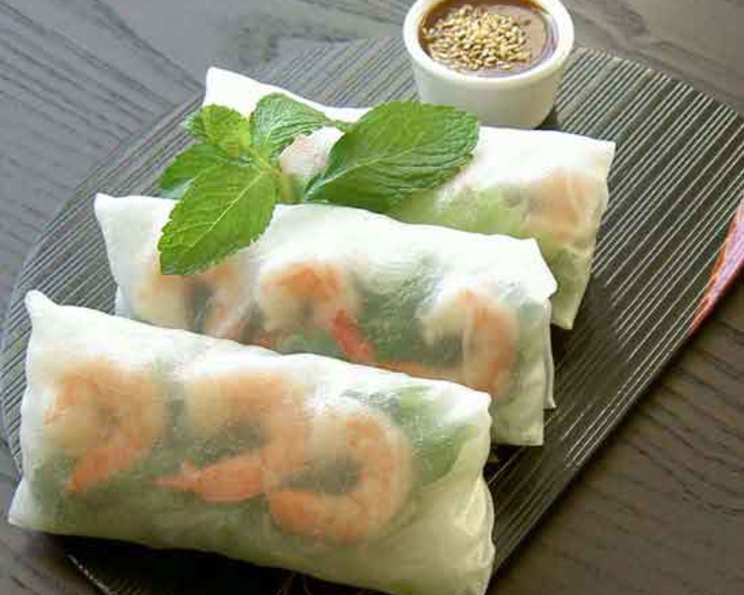
Pork & Shrimp Spring Rolls with Peanut Sauce
The first time I had a truly exceptional spring roll, I was backpacking through Southeast Asia. It wasn’t in a fancy restaurant, but at a tiny streetside stall in Hanoi, Vietnam. An older woman, with hands that told stories of a lifetime spent crafting perfect rolls, meticulously assembled each one with a speed and grace that was mesmerizing. The explosion of fresh herbs, the delicate rice paper, and the sweet-savory dipping sauce – it was a revelation. I’ve been chasing that flavor ever since, trying to recreate the magic in my own kitchen, and these Pork & Shrimp Spring Rolls with Peanut Sauce come incredibly close to capturing that memory.
Recipe Overview
- Prep Time: 45 minutes
- Cook Time: 45 minutes
- Total Time: 1 hour 30 minutes
- Servings: 6
- Yields: 12 rolls
- Dietary Type: Gluten-Free (ensure gluten-free hoisin sauce)
Ingredients
- 1 lb pork tenderloin, trimmed
- 1 shallot, finely chopped
- 2 garlic cloves, minced
- 1 1/2 tablespoons Vietnamese fish sauce
- 1 tablespoon sugar
- 1/4 teaspoon black pepper, freshly ground
- Peanut oil (optional) or olive oil (optional)
- 1/2 lb fine rice vermicelli (bun)
- 12 (10 inch) rice paper sheets (banh trang)
- 1 lb shrimp, boiled and sliced in 1/2 lengthwise
- 1 medium cucumber, halved lengthwise and then thinly sliced on the diagonal
- 1 1/2 cups romaine lettuce, thinly shredded
- 48 mint leaves
- 24 fresh cilantro stems
- 48 Thai basil
- 1 carrot, cut into julienne
Peanut Sauce (Nuoc Leo)
- 1 tablespoon peanut oil
- 3 garlic cloves, minced
- 1 teaspoon chili paste
- 1 tablespoon tomato paste
- 1/2 cup plus 2 tablespoons chicken stock (or water)
- 1/2 teaspoon white sugar
- 2 tablespoons peanut butter
- 1/4 cup hoisin sauce
- 1/4 cup unsalted dry roasted peanuts, finely chopped
- 1 fresh red Thai chili pepper, seeded and thinly sliced (optional)
- Sriracha sauce (optional, for garnishing)
Equipment Needed
- Bowl
- Plastic wrap
- Grill
- Plate
- Colander
- Clean kitchen towel
- Small saucepan
- Whisk
Instructions
-
In a bowl, combine the pork tenderloin with the shallot, garlic, fish sauce, sugar, black pepper, and oil (if using). Turn the pork to ensure it is well coated in the marinade. Cover the bowl with plastic wrap and marinate, turning occasionally, for at least 1 hour, or up to overnight in the refrigerator.
-
Preheat your grill to high heat. Grill the marinated pork tenderloin, turning occasionally, until it is just cooked through. An instant-read thermometer inserted into the thickest part should register an internal temperature of 145 degrees F (63 degrees C).
-
Transfer the grilled pork tenderloin to a plate and allow it to cool to room temperature. Once cooled, slice the tenderloin into very thin slices, about 1/8-inch thick. Cover the sliced pork and refrigerate it until you are ready to assemble the spring rolls.
-
Prepare the rice vermicelli according to the package directions. Once cooked, strain the vermicelli in a colander. Rinse the vermicelli under cold running water until it is cool. Set the vermicelli aside to drain completely.
-
Now it’s time to assemble the spring rolls. Work one roll at a time. Dip one rice paper wrapper into lukewarm water for a few seconds, just until it begins to soften. Immediately transfer the wrapper to a clean kitchen towel. The wrapper will continue to soften within seconds, so work quickly.
-
Lay four shrimp halves in a horizontal line across the center of the softened rice paper wrapper. Top the shrimp with a few tablespoons of the cooked and well-drained rice vermicelli.
-
On top of the vermicelli, add 1 or 2 slices of cucumber, about 2 tablespoons of the thinly shredded romaine lettuce, 4 mint leaves, 2 sprigs of cilantro, and 4 Thai basil leaves.
-
Place a few sticks of carrot julienne along the top of the filling ingredients, and then top with 2 slices of the grilled pork.
-
Carefully pull the lower edge of the wrapper up and over the filling. Fold the two sides inward over the filling, pressing gently to seal. It’s crucial to work carefully to avoid tearing the delicate rice paper.
-
Once both sides are folded inward, roll the spring roll upwards, ensuring the filling is tightly contained. Continue rolling until the spring roll is completely sealed.
-
Set the finished spring roll aside on a plate, and cover it with a damp paper towel or a damp clean kitchen towel to prevent it from drying out. Repeat this process with the remaining wrappers and filling ingredients.
-
Once you have assembled all of the spring rolls, serve them immediately. They can be enjoyed at room temperature or slightly chilled. Serve with the Peanut Sauce on the side for dipping.
Directions for Peanut Sauce (Nuoc Leo):
-
Heat the peanut oil in a small saucepan over medium heat. When the oil is hot, add the minced garlic, chili paste, and tomato paste. Cook, stirring constantly, until the garlic is golden and fragrant, about 30 seconds. Be careful not to burn the garlic.
-
Add the chicken stock (or water), sugar, peanut butter, and hoisin sauce to the saucepan. Whisk all the ingredients together until they are well combined and the sauce is smooth.
-
Bring the sauce to a boil, then reduce the heat to low and simmer for 3 minutes, stirring occasionally.
-
Remove the saucepan from the heat and allow the Peanut Sauce to cool slightly before serving. You can serve it warm or at room temperature.
-
Serve the Peanut Sauce in small bowls, garnished with the finely chopped peanuts, sliced chiles (if using), and a drizzle of sriracha sauce (optional).
Yield: About 1 1/4 cups of Peanut Sauce.
Expert Tips & Tricks
- Don’t oversoak the rice paper. A quick dip is all it needs. Oversoaking will make it sticky and prone to tearing.
- Arrange the ingredients artfully. The translucent rice paper will show off the vibrant colors inside. Consider aesthetics when layering.
- Use high-quality peanut butter. The flavor really shines through. Natural peanut butter (just peanuts and salt) works best.
- Make the peanut sauce in advance. It actually tastes better after the flavors have had time to meld.
- If you don’t have access to Thai basil, regular basil can be used as a substitute, although the flavor will be slightly different.
Serving & Storage Suggestions
Serve these Pork & Shrimp Spring Rolls immediately for the best texture. They are delicious on their own as a light lunch or appetizer. Arrange them artfully on a platter, showcasing their vibrant colors. Leftover spring rolls can be stored in the refrigerator for up to 24 hours, but the rice paper will start to harden. To prevent this, wrap each roll individually in damp paper towels and then place them in an airtight container. The peanut sauce can be stored in an airtight container in the refrigerator for up to 3 days. Reheat gently before serving. Due to the fresh ingredients, freezing is not recommended.
Nutritional Information
| Nutrient | Amount per Serving | % Daily Value |
|---|---|---|
| Calories | 436 kcal | – |
| Calories from Fat | 114 g | 26% |
| Total Fat | 12.7 g | 19% |
| Saturated Fat | 2.6 g | 12% |
| Cholesterol | 145.4 mg | 48% |
| Sodium | 1084 mg | 45% |
| Total Carbohydrate | 45 g | 14% |
| Dietary Fiber | 3.6 g | 14% |
| Sugars | 9.2 g | – |
| Protein | 35.4 g | 70% |
Variations & Substitutions
- Vegetarian/Vegan: Substitute the pork and shrimp with extra-firm tofu, sliced avocado, and more vegetables. Use a vegetarian hoisin sauce.
- Gluten-Free: Ensure that the hoisin sauce used in the peanut sauce is gluten-free. Tamari can be used in place of fish sauce in the pork marinade.
- Spicy: Add more chili paste to the peanut sauce, or include thinly sliced jalapeño or serrano peppers in the spring roll filling.
- Herbs: Experiment with different herbs such as cilantro, perilla, or Vietnamese coriander.
- Protein: Use grilled chicken or thinly sliced beef instead of pork.
FAQs (Frequently Asked Questions)
Q: Can I make the spring rolls ahead of time?
A: It’s best to assemble spring rolls just before serving, as the rice paper can dry out and harden. However, you can prep all the ingredients in advance and store them separately in the refrigerator.
Q: How do I keep the rice paper from tearing?
A: Don’t oversoak the rice paper. A quick dip in lukewarm water is all it needs. Also, avoid overfilling the rolls.
Q: Can I use a different type of nut butter in the sauce?
A: While peanut butter is traditional, you could experiment with almond butter or cashew butter for a different flavor profile.
Q: What can I serve with these spring rolls?
A: They’re great on their own, but you could also serve them with a side of rice noodles or a light salad.
Q: Can I grill the spring rolls after assembly?
A: Grilling is not recommended, as the rice paper is delicate and can easily burn or become too sticky.
Final Thoughts
These Pork & Shrimp Spring Rolls with Peanut Sauce are more than just a recipe; they’re an invitation to experience a vibrant and flavorful cuisine. Don’t be intimidated by the ingredient list – the process is surprisingly simple and incredibly rewarding. Gather your friends and family, turn on some music, and make it a collaborative culinary adventure. Feel free to experiment with the fillings to suit your own tastes, and most importantly, have fun! I hope these rolls bring a little bit of Southeast Asian sunshine to your table. I encourage you to try this recipe and leave your feedback. What variations did you try? What did you serve it with? I’d love to hear about your experience!