
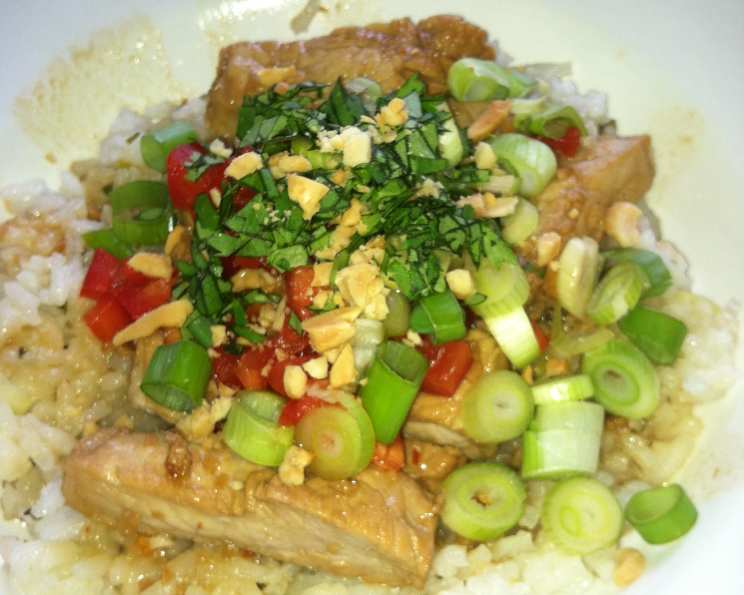
Pork Tenderloin: A Taste of Thailand
The memory hits me like a blast of Bangkok heat. I was a culinary student backpacking through Southeast Asia, overwhelmed by the vibrant street food scene. Then I stumbled upon a tiny stall, the air thick with fragrant lemongrass and chilies. An elderly woman, her face etched with years of culinary wisdom, served me a pork dish that was unlike anything I’d ever tasted. The pork was incredibly tender, infused with a sweet, savory, and spicy marinade that danced on my palate. Years later, I recreated my own version, inspired by that unforgettable flavor bomb. It never fails to transport me back to that bustling street corner, a reminder of the power of food to evoke cherished memories.
Recipe Overview
- Prep Time: 30 minutes
- Cook Time: 15 minutes
- Total Time: 45 minutes
- Servings: 2
- Dietary Type: Gluten-Free (with Tamari)
Ingredients
- 1 ¾ lbs pork tenderloin
- ¼ cup white wine
- ¼ cup soy sauce (or Tamari for gluten-free)
- ¼ teaspoon red pepper flakes
- 1 tablespoon minced fresh ginger
- 1 tablespoon minced fresh garlic
- 2 teaspoons fish sauce
- 2 tablespoons fresh squeezed lime juice
- 1 teaspoon brown sugar
- 2 teaspoons olive oil or peanut oil
- 2 tablespoons finely diced red peppers
- 2 green onions, thinly sliced on the diagonal
- ¼ cup chopped fresh cilantro
- 2 lime wedges
- 1 tablespoon chopped peanuts
- Cornstarch, mixed with water (optional, for thickening the sauce)
- Steamed rice (jasmine preferable), for serving
Equipment Needed
- Ziplock bag
- Skillet
- Cutting board
- Knife
Instructions
-
Begin by preparing the pork tenderloin. Cut it in half lengthwise. This helps ensure even cooking and allows the marinade to penetrate more effectively.
-
In a ziplock bag, combine the marinade ingredients: white wine, soy sauce (or Tamari), red pepper flakes, minced fresh ginger, minced fresh garlic, fish sauce, fresh squeezed lime juice, and brown sugar. Seal the bag and give it a good shake to ensure everything is well mixed.
-
Place the halved pork tenderloin inside the ziplock bag with the marinade. Squeeze out any excess air, seal the bag tightly, and gently massage the marinade into the meat.
-
Place the bag in the refrigerator for at least 30 minutes, turning occasionally. This allows the pork to absorb the flavors of the marinade. The longer you marinate, the more flavorful the final dish will be. You can marinate for up to 2 hours.
-
Remove the pork from the marinade, but be sure to reserve the marinade. We’ll be using that later to create a delicious sauce.
-
Heat the olive oil or peanut oil in a skillet over medium-high heat. Make sure the skillet is hot before adding the pork; this will help create a nice sear.
-
Brown the tenderloin pieces on all sides, about 2-3 minutes per side. This step is crucial for developing flavor and creating a beautiful crust.
-
Continue cooking the pork until it is almost done. A meat thermometer inserted into the thickest part of the tenderloin should read about 140°F (60°C). Remember, the pork will continue to cook slightly once it’s removed from the heat.
-
Remove the pork from the skillet and place it on a cutting board. Let it rest for a few minutes before slicing. This allows the juices to redistribute, resulting in a more tender and flavorful final product.
-
Pour the reserved marinade into the same skillet and bring it to a simmer over medium heat. Simmer for about 5-7 minutes to allow the sauce to reduce and thicken slightly. Watch closely to prevent burning.
-
While the marinade is simmering, cut the tenderloin into 1-inch slices.
-
Return the sliced pork to the skillet with the simmering sauce and cook until the meat is no longer pink and has reached an internal temperature of 145°F (63°C). This should only take a few minutes.
-
If desired, you can thicken the sauce by whisking together a small amount of cornstarch with cold water (about 1 tablespoon of cornstarch mixed with 2 tablespoons of water). Add the cornstarch slurry to the simmering sauce and cook, stirring constantly, until the sauce thickens to your desired consistency.
-
Serve the pork and sauce over steamed jasmine rice. The aromatic rice complements the flavors of the pork perfectly.
-
Garnish with diced red pepper, fresh cilantro, sliced green onions, and lime wedges.
-
Sprinkle with chopped peanuts for added texture and flavor.
Expert Tips & Tricks
- Don’t overcook the pork: Pork tenderloin is lean and can dry out easily if overcooked. Use a meat thermometer to ensure it’s cooked to the perfect temperature.
- Marinating time: While 30 minutes is sufficient, marinating the pork for longer (up to 2 hours) will result in more flavorful meat.
- Spice level: Adjust the amount of red pepper flakes to suit your taste. If you prefer a milder dish, reduce the amount or omit them entirely. For extra heat, add a pinch of cayenne pepper.
- Jasmine rice alternative: If you don’t have jasmine rice on hand, you can substitute it with another type of rice, such as basmati or brown rice.
- Make ahead: The marinade can be prepared a day in advance. Store it in the refrigerator until ready to use.
- Sauce consistency: If the sauce is too thin, simmer it for a few more minutes to allow it to reduce further. If it’s too thick, add a splash of water or chicken broth to thin it out.
Serving & Storage Suggestions
Serve this Thai-style pork tenderloin immediately after cooking for the best flavor and texture. Garnish generously with fresh herbs and a squeeze of lime juice to brighten the flavors. Leftovers can be stored in an airtight container in the refrigerator for up to 3 days. Reheat gently in a skillet over medium heat or in the microwave. Add a splash of water or broth to prevent the pork from drying out during reheating. Freezing is not recommended as the texture of the pork may change.
Nutritional Information
| Nutrient | Amount per Serving | % Daily Value |
|---|---|---|
| Calories | 622 kcal | – |
| Calories from Fat | 188 g | 30% |
| Total Fat | 20.9 g | 32% |
| Saturated Fat | 5.6 g | 28% |
| Cholesterol | 258.2 mg | 86% |
| Sodium | 2696.5 mg | 112% |
| Total Carbohydrate | 12 g | 4% |
| Dietary Fiber | 1.8 g | 7% |
| Sugars | 4.8 g | 19% |
| Protein | 88.2 g | 176% |
Variations & Substitutions
- Vegetarian Option: Substitute the pork tenderloin with firm tofu or tempeh. Press the tofu to remove excess water and marinate it in the same sauce.
- Coconut Milk: For a creamier sauce, add a splash of coconut milk to the simmering marinade.
- Gluten-Free: Use Tamari instead of soy sauce. Ensure all other ingredients are gluten-free as well.
- Honey: Substitute honey for brown sugar for a slightly different flavor profile.
- Vegetable additions: Add other vegetables like bell peppers, snap peas, or broccoli florets to the skillet along with the pork for a complete one-pan meal.
FAQs (Frequently Asked Questions)
Q: Can I marinate the pork overnight?
A: While you can marinate for longer than 30 minutes, marinating overnight is not recommended as the acid in the lime juice can begin to break down the proteins in the pork, potentially making it mushy. Aim for a maximum of 2 hours.
Q: Can I use dried ginger and garlic instead of fresh?
A: Fresh ginger and garlic provide the best flavor, but if you’re in a pinch, you can substitute with dried. Use about 1 teaspoon of dried ginger and 1 teaspoon of garlic powder for each tablespoon of fresh.
Q: What is fish sauce, and can I omit it?
A: Fish sauce is a fermented fish sauce that adds a unique umami flavor. If you don’t have it, you can try substituting it with a splash of soy sauce or Worcestershire sauce, but the flavor will be slightly different.
Q: How do I know when the pork is cooked through?
A: The best way is to use a meat thermometer. Pork tenderloin is safe to eat when it reaches an internal temperature of 145°F (63°C).
Q: Can I use a different cut of pork?
A: While pork tenderloin is ideal due to its tenderness, you could use pork loin, but be careful not to overcook it. You may need to adjust the cooking time accordingly.
Final Thoughts
This Thai-style pork tenderloin is a flavorful and relatively quick dish that’s sure to impress. Don’t be intimidated by the seemingly long list of ingredients; the combination of flavors creates a truly unforgettable culinary experience. Gather your ingredients, follow the simple steps, and transport yourself to the vibrant streets of Thailand with every bite. I encourage you to try this recipe and share your feedback! Consider serving it with a crisp cucumber salad or a refreshing Thai iced tea for a complete and satisfying meal.