
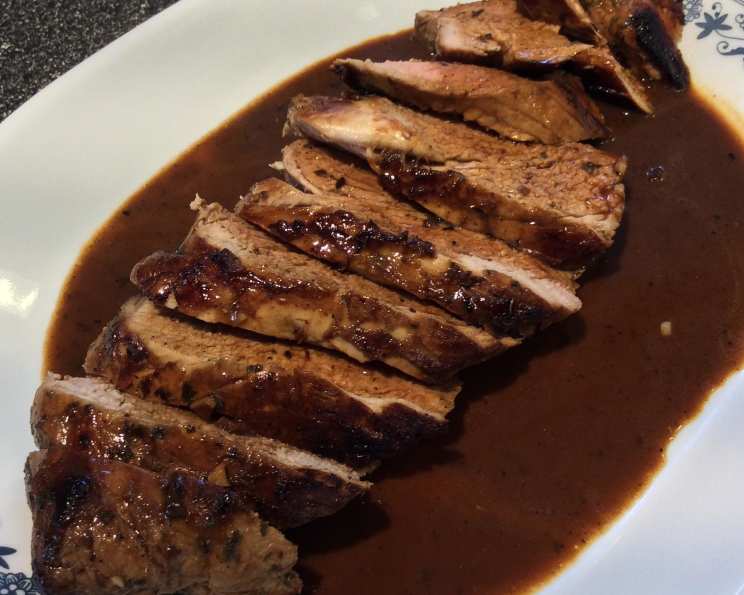
Pork Tenderloin With Pan Sauce: A Symphony of Flavors
I remember the first time I made this pork tenderloin with pan sauce. It was a chilly autumn evening, and the aroma filled my small apartment, instantly transforming it into a cozy haven. The savory scent of the marinade mingling with the promise of a rich pan sauce evoked memories of comforting family dinners, a feeling I wanted to recreate for my friends. The perfectly seared pork, tender and juicy, paired with the flavorful pan sauce, was a resounding success. This dish has since become my go-to for impressing guests without spending hours in the kitchen.
Recipe Overview
- Prep Time: 15 minutes (plus 3-4 hours marinating)
- Cook Time: 40-50 minutes
- Total Time: 4 hours 55 minutes (including marinating)
- Servings: 4
- Dietary Type: Gluten-Free (check soy sauce for gluten)
Ingredients
Marinade
- ½ cup olive oil
- ⅓ cup soy sauce
- ¼ cup red wine vinegar
- 1 lemon, juice of
- 1-2 tablespoons Worcestershire sauce
- 1-2 tablespoons fresh parsley, finely chopped
- 2 teaspoons dry mustard
- Freshly cracked black pepper, to taste
- 4 garlic cloves, peeled and minced
- 1 lb pork tenderloin (silver skin removed)
Pan Sauce
- Pan scrapings from pork tenderloin
- ½ cup chicken broth
- 2-3 tablespoons pork marinade (thoroughly mixed)
- 1-2 teaspoon butter
Equipment Needed
- Ziplock bag
- Skillet (oven-safe preferred)
- Oven
Instructions
- Combine all marinade ingredients in a bowl. Reserve 2-3 tablespoons of the marinade for the pan sauce.
- Place the pork tenderloin and the remaining marinade in a Ziplock bag. Seal the bag, removing as much air as possible, and marinate in the refrigerator for at least 3-4 hours, or even overnight for a more intense flavor.
- Preheat your oven to 350 degrees Fahrenheit (175 degrees Celsius).
- Heat a skillet (preferably oven-safe) over medium-high heat. Once the skillet is hot, remove the pork tenderloin from the marinade (discard the used marinade) and sear each side of the tenderloin for 2-3 minutes, until a rich brown crust forms. This searing step is crucial for developing deep, savory flavors.
- Transfer the skillet (with the seared pork tenderloin) to the preheated oven. Cook for 30-40 minutes, or until a meat thermometer inserted into the thickest part of the tenderloin registers 160 degrees Fahrenheit (71 degrees Celsius). It’s important to use a meat thermometer to avoid overcooking the pork, which can result in a dry and less palatable dish.
- Once the pork is cooked, remove it from the oven and let it rest for at least 5 minutes before slicing. This resting period allows the juices to redistribute throughout the meat, resulting in a more tender and flavorful result. Tent the pork loosely with foil to keep it warm while it rests.
- While the pork is resting, prepare the pan sauce. Place the skillet (the same one used to sear the pork) back on the stovetop over medium heat.
- Pour in the chicken broth and scrape up all the browned bits (fond) from the bottom of the pan with a spatula or spoon. These browned bits are packed with flavor and will form the foundation of your delicious pan sauce.
- Add the reserved 2-3 tablespoons of pork marinade to the skillet. Bring the sauce to a gentle boil and let it simmer for 2-3 minutes, allowing the flavors to meld and the sauce to slightly reduce.
- Remove the skillet from the heat and stir in the butter until it is completely melted and incorporated into the sauce. This adds richness and a silky texture to the pan sauce.
- Slice the rested pork tenderloin into medallions. Pour the pan sauce over the sliced pork and serve immediately.
Expert Tips & Tricks
- Silver Skin Removal: Be sure to remove the silver skin from the pork tenderloin before marinating. This tough membrane can make the pork chewy. Use a sharp knife to carefully slide under the silver skin and remove it.
- Marinating Time: While the recipe calls for at least 3-4 hours of marinating, you can marinate the pork overnight for even better flavor. Just be sure to keep it refrigerated.
- Doneness: Use a reliable meat thermometer to ensure the pork is cooked to the correct internal temperature. Overcooked pork will be dry and tough.
- Pan Sauce Consistency: If the pan sauce is too thin, you can thicken it slightly by adding a cornstarch slurry (1 tablespoon cornstarch mixed with 1 tablespoon cold water) while it’s simmering. Be sure to whisk it in thoroughly and let it simmer for a minute or two until thickened.
- Deglazing the Pan: Don’t skip the step of deglazing the pan! Those browned bits on the bottom of the skillet are the secret to a flavorful pan sauce.
Serving & Storage Suggestions
Serve the sliced pork tenderloin immediately after cooking, drizzled generously with the pan sauce. It pairs beautifully with roasted vegetables like asparagus, broccoli, or Brussels sprouts. Mashed potatoes, rice pilaf, or quinoa are also excellent side dish options.
Leftover pork tenderloin can be stored in an airtight container in the refrigerator for up to 3-4 days. To reheat, gently warm the pork in a skillet over low heat with a little bit of the pan sauce, or microwave it in short bursts to prevent it from drying out.
Nutritional Information
| Nutrient | Amount per Serving | % Daily Value |
|---|---|---|
| Calories | 421 kcal | N/A |
| Calories from Fat | 293 kcal | N/A |
| Total Fat | 32.6 g | 50% |
| Saturated Fat | 5.8 g | 28% |
| Cholesterol | 76.3 mg | 25% |
| Sodium | 1544.7 mg | 64% |
| Total Carbohydrate | 4.5 g | 1% |
| Dietary Fiber | 0.4 g | 1% |
| Sugars | 1.3 g | 5% |
| Protein | 27.1 g | 54% |
Note: Nutritional information is an estimate and may vary based on specific ingredients and preparation methods.
Variations & Substitutions
- Spice it Up: Add a pinch of red pepper flakes to the marinade for a touch of heat.
- Herb Variations: Experiment with different herbs in the marinade, such as rosemary, thyme, or oregano.
- Sweet and Savory: Add a tablespoon of honey or maple syrup to the marinade for a touch of sweetness.
- Citrus Twist: Use orange juice instead of lemon juice for a different citrus flavor.
- Soy Sauce Alternative: If you are sensitive to gluten, use tamari (a gluten-free soy sauce alternative) in the marinade.
FAQs (Frequently Asked Questions)
Q: Can I use a different cut of pork?
A: While this recipe is specifically designed for pork tenderloin, you could potentially use pork loin roast. However, cooking times will need to be adjusted, and the result may not be as tender.
Q: Can I make the pan sauce ahead of time?
A: It’s best to make the pan sauce fresh, as it comes together quickly while the pork is resting. Making it ahead of time may result in a less vibrant flavor.
Q: How do I know when the pork is done?
A: The best way to ensure the pork is cooked to the correct internal temperature is to use a meat thermometer. Insert the thermometer into the thickest part of the tenderloin. It should register 160 degrees Fahrenheit (71 degrees Celsius).
Q: What if I don’t have an oven-safe skillet?
A: If you don’t have an oven-safe skillet, you can sear the pork in a regular skillet and then transfer it to a baking dish to finish cooking in the oven.
Q: Can I freeze leftover pork tenderloin?
A: Yes, you can freeze leftover pork tenderloin. Wrap it tightly in plastic wrap and then in aluminum foil, or place it in a freezer-safe container. It can be stored in the freezer for up to 2-3 months. Thaw it overnight in the refrigerator before reheating.
Final Thoughts
This pork tenderloin with pan sauce is a truly versatile and satisfying dish that is perfect for a weeknight dinner or a special occasion. The combination of the flavorful marinade, perfectly seared pork, and rich pan sauce is simply irresistible. I encourage you to try this recipe and experience the symphony of flavors for yourself. Don’t be afraid to experiment with different herbs and spices to create your own unique version. Share your creations and feedback with me, and most importantly, enjoy the process of cooking and sharing a delicious meal with loved ones! Consider pairing this dish with a crisp Sauvignon Blanc or a light-bodied Pinot Noir to elevate your dining experience.