
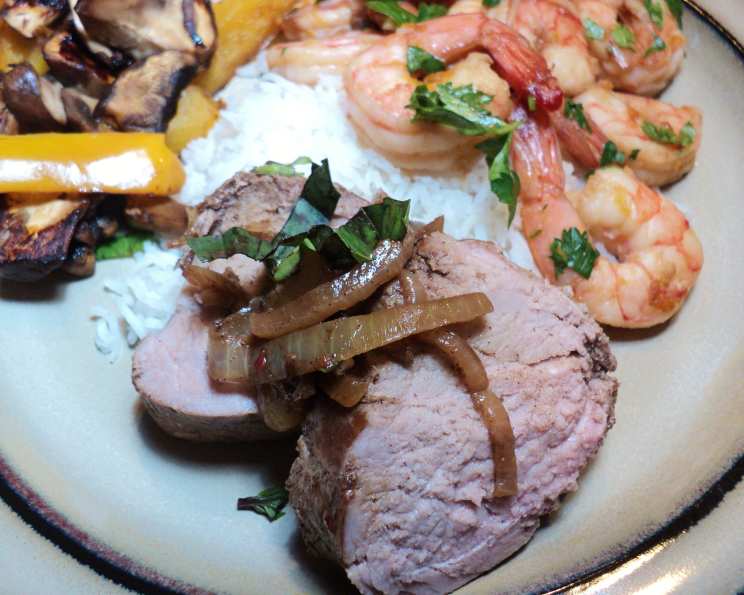
Pork With Ginger, Garlic, and Chilli: A Culinary Adventure
I remember the first time I tasted a dish like this. It was at a tiny, bustling Vietnamese restaurant tucked away in a Melbourne laneway. The aromas of ginger, lemongrass, and chilli hung heavy in the air, promising an explosion of flavour. When the dish arrived – glistening, tender pork bathed in a rich, savory sauce – it was love at first bite. That experience ignited my passion for Southeast Asian cuisine, and I’ve been chasing that perfect balance of sweet, spicy, and savory ever since. This recipe is my take on that memory, adapted and perfected over years of cooking.
Recipe Overview
- Prep Time: 15 minutes
- Cook Time: 45 minutes
- Total Time: 1 hour
- Servings: 4
- Dietary Type: None Specified
Ingredients
- 1 kg pork neck steaks (1cm thick cut into 3cmx3cm pieces)
- 2 tablespoons soy sauce
- 100 ml extra virgin olive oil
- 80 g white onions (sliced thin half-moon)
- 3 garlic cloves (finely chopped)
- 3 cm piece ginger (cleaned and grated)
- 2 tablespoons green chilli peppers (finely chopped)
- 2 tablespoons fresh lemongrass (finely chopped tender white part only)
- 1 teaspoon ground cinnamon
- 500 ml chicken stock (or beef – 2 cups)
- Vietnamese basil leaves (torn or chopped for garnish)
Equipment Needed
- Non-stick frypan
Instructions
-
Begin by marinating the pork. In a bowl, combine the pork pieces with the soy sauce. Ensure each piece is well coated. Set aside while you prepare the other ingredients. This step allows the pork to absorb flavour and tenderize slightly.
-
Next, prepare the aromatic base. Heat a non-stick frypan over medium heat. Add 50ml of the extra virgin olive oil, followed by the sliced onions, finely chopped garlic, grated ginger, chopped chilli, chopped lemongrass, and ground cinnamon. Stir frequently, cooking until the onions are soft and translucent, about 5-7 minutes. Once softened, remove the onion mixture from the pan and set it aside.
-
Now it’s time to sear the pork. Add the remaining 50ml of extra virgin olive oil to the same, now empty, frypan. Increase the heat to high. Add the marinated pork to the hot pan in batches, being careful not to overcrowd it. Stir-fry on high heat until the pork is well-sealed and nicely coloured on all sides. This searing process creates a delicious crust and locks in the juices. Remove each batch of seared pork from the pan and set it aside until all the pork is cooked.
-
Build the sauce. In the same unwashed frypan (those browned bits are flavour gold!), add the chicken stock, ensuring to scrape up any browned bits from the bottom of the pan. Then, add the cooked onion mixture back to the pan. Stir well to combine everything.
-
Combine and simmer. Add the cooked pork to the pan with the sauce. Cover the pan with a lid, reduce the heat to low, and simmer gently, stirring occasionally, for 45 minutes. Simmering allows the pork to become incredibly tender and the flavours to meld together beautifully.
-
Monitor the sauce. During simmering, don’t allow the sauce to dry out. If it reduces too much, add a little water to maintain a desirable consistency. The sauce should be rich and coating, not thick and sticky.
-
Finishing touch. Just before serving, add the Vietnamese basil leaves to the pan. The fresh basil will wilt slightly, releasing its fragrant aroma and adding a vibrant element to the dish. Tear or chop the basil just before adding it to preserve its flavour.
Expert Tips & Tricks
- Don’t skip the marinating step: Even a short marinating time will enhance the flavour and tenderness of the pork.
- Sear in batches: Overcrowding the pan will lower the temperature and result in steamed rather than seared pork.
- Use fresh ingredients: The quality of the ginger, garlic, chilli, and lemongrass will significantly impact the overall flavour.
- Adjust the chilli: If you prefer a milder dish, reduce the amount of chilli or remove the seeds before chopping. For extra heat, use a hotter variety of chilli.
- Deglaze the pan: Scraping up the browned bits from the bottom of the pan adds a depth of flavour to the sauce that you don’t want to miss.
- Make ahead: This dish can be made a day ahead. The flavors will meld together even more overnight.
Serving & Storage Suggestions
Serve the Pork with Ginger, Garlic, and Chilli hot, garnished generously with extra Vietnamese basil leaves. It pairs perfectly with steamed rice or noodles. For an extra touch, consider serving it with a side of pickled vegetables or a fresh cucumber salad to provide a refreshing contrast to the richness of the pork.
Leftovers can be stored in an airtight container in the refrigerator for up to 3 days. Reheat gently on the stovetop over low heat, adding a splash of water or stock if needed to prevent it from drying out. You can also reheat it in the microwave, but be careful not to overcook the pork. Freezing is not recommended as it can alter the texture of the pork.
Nutritional Information
| Nutrient | Amount per Serving | % Daily Value |
|---|---|---|
| Calories | 761.7 kcal | N/A |
| Calories from Fat | 415 g | 55% |
| Total Fat | 46.2 g | 71% |
| Saturated Fat | 11.1 g | 55% |
| Cholesterol | 213.8 mg | 71% |
| Sodium | 823.7 mg | 34% |
| Total Carbohydrate | 9.2 g | 3% |
| Dietary Fiber | 0.9 g | 3% |
| Sugars | 3.3 g | 13% |
| Protein | 73.4 g | 146% |
Variations & Substitutions
- Chicken or Beef: Substitute the pork neck steaks with chicken thighs or beef chuck for a different flavour profile.
- Vegetarian Option: Use firm tofu or tempeh instead of pork. Be sure to press the tofu to remove excess water before marinating and searing.
- Gluten-Free: Ensure the soy sauce is gluten-free or use tamari as a substitute.
- Coconut Milk: Replace some of the chicken stock with coconut milk for a richer and creamier sauce.
- Seasonal Vegetables: Add seasonal vegetables like bell peppers, snow peas, or broccoli during the last 15 minutes of cooking for added nutrients and texture.
FAQs (Frequently Asked Questions)
Q: Can I use dried lemongrass instead of fresh?
A: While fresh lemongrass is ideal, you can use dried lemongrass as a substitute. Use about 1 tablespoon of dried lemongrass and rehydrate it in warm water before adding it to the pan.
Q: How can I make this dish spicier?
A: Add more chopped chilli peppers or use a hotter variety. You can also add a pinch of chilli flakes to the sauce.
Q: Can I use a different type of pork?
A: Pork shoulder or pork loin can also be used, but adjust the cooking time accordingly. Pork belly will also work well.
Q: What if I don’t have Vietnamese basil?
A: If you can’t find Vietnamese basil, regular basil or mint can be used as a substitute, although the flavour will be slightly different.
Q: Can I prepare this dish in a slow cooker?
A: Yes, you can adapt this recipe for a slow cooker. Sear the pork and sauté the aromatics as instructed, then transfer everything to the slow cooker and cook on low for 6-8 hours or on high for 3-4 hours.
Final Thoughts
I encourage you to try this Pork with Ginger, Garlic, and Chilli recipe. It’s a delightful blend of flavours and textures that will transport you to the bustling streets of Southeast Asia. Don’t be afraid to experiment with the ingredients and adjust the spice level to your liking. If you give this recipe a try, please share your feedback! It would also pair beautifully with a crisp Riesling or a light-bodied beer. Enjoy!