
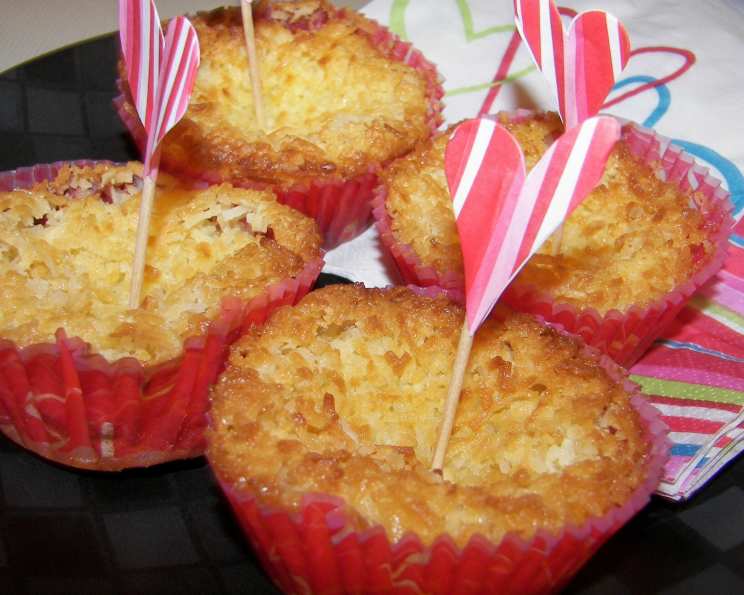
Portuguese Coconut Custard Tarts – Pastéis De Coco
The first time I tasted a pastel de coco, I was wandering the sun-drenched streets of Lisbon. The air hung thick with the scent of saltwater and baking pastries. I ducked into a tiny pastelaria, drawn in by the golden glow emanating from within. One bite of that warm, impossibly rich tart, its coconut-flecked custard melting on my tongue, and I was utterly captivated. It was more than just a dessert; it was a miniature edible postcard from a place I instantly fell in love with.
Recipe Overview:
- Prep Time: 15 minutes
- Cook Time: 25-30 minutes
- Total Time: 40-45 minutes
- Yields: 10 tarts
- Dietary Type: Not Gluten-Free
Ingredients:
- 2 tablespoons cornstarch
- 1 cup whole milk (or 1 cup low-fat milk)
- 1 cup sweetened flaked coconut
- 3 large eggs
- 1 cup granulated sugar
- 2 tablespoons unsalted butter, melted
- 1/4 teaspoon lemon extract
- 1/2 teaspoon almond extract (optional) or 1/2 teaspoon vanilla extract (optional)
Equipment Needed:
- 12-cup muffin tin
- Paper cupcake liners (10)
- Food processor (optional)
- Large mixing bowl
- Wooden spoon
- Ladle
Instructions:
- Preheat your oven to 375°F (190°C). Adjust the oven rack to the middle position. This ensures even baking and prevents the bottoms of the tarts from burning.
- Line a 12-cup muffin tin with 10 paper cupcake liners. This makes for easy removal and cleanup. You’ll have two empty slots in the muffin tin; this will not affect the baking process.
- Dissolve the cornstarch in 1/4 cup of the milk. Stir until completely smooth. Set aside. This cornstarch slurry is crucial for thickening the custard. Ensure there are no lumps for the best texture.
- In a food processor fitted with a metal blade, chop the coconut flakes for 30 seconds, or chop well by hand. Chopping the coconut helps it to better integrate into the custard and release its flavor. If chopping by hand, aim for a fine consistency.
- In a large mixing bowl, stir the eggs and sugar together with a wooden spoon. Do not overmix at this stage; a gentle stirring is all that’s needed. The goal is to combine the ingredients without incorporating too much air.
- One by one, add the cornstarch mixture, remaining milk, coconut, melted butter, and lemon extract (and almond extract or vanilla extract, if using), stirring well after each addition. Incorporate each ingredient fully before adding the next. This ensures a homogenous custard base. The melted butter adds richness and moisture, while the lemon extract brightens the flavor profile.
- Ladle the custard into the paper cups, filling to 1/4 inch from the top. (NOTE: Make sure to stir frequently to keep the coconut well distributed.) The coconut tends to settle, so consistent stirring is vital for an even distribution and consistent texture in each tart. Overfilling the cups will cause the custard to spill during baking.
- Bake for 25 to 30 minutes, or until the coconut is nicely toasted. The tops should be golden brown, and the custard should be set but with a slight jiggle. Keep a close eye on them in the last few minutes of baking to prevent burning. Ovens vary, so adjust the baking time accordingly.
- Cool completely in the tin before serving. This allows the custard to fully set and prevents the tarts from falling apart when removed from the muffin tin.
Expert Tips & Tricks:
- Bloom the Cornstarch: Dissolving the cornstarch in cold milk is crucial to prevent lumps. Make sure it is fully incorporated before adding it to the rest of the ingredients.
- Toast the Coconut First: For an even deeper coconut flavor, lightly toast the shredded coconut in a dry skillet over medium heat before adding it to the custard. Watch it carefully, as it can burn easily.
- Don’t Overbake: Overbaking the tarts will result in a dry, rubbery custard. They are done when the center is just slightly wobbly.
- Even Coconut Distribution: The coconut tends to sink to the bottom of the bowl. Give the custard a good stir just before ladling it into the muffin tin to ensure each tart gets a fair share.
- Make Ahead: The custard mixture can be prepared a day in advance. Store it covered in the refrigerator and stir well before filling the tart liners.
Serving & Storage Suggestions:
These tarts are best served at room temperature or slightly chilled. A dusting of powdered sugar adds a touch of elegance. They pair wonderfully with a strong cup of coffee or a glass of chilled Vinho Verde.
- Room Temperature: Store in an airtight container at room temperature for up to 2 days.
- Refrigerator: Store in an airtight container in the refrigerator for up to 4 days.
- Freezer: While not ideal, you can freeze the tarts. Wrap them individually in plastic wrap and then place them in a freezer-safe bag or container. They can be frozen for up to 1 month. Thaw overnight in the refrigerator before serving. The texture may be slightly altered after freezing.
Nutritional Information:
Please note that these values are approximate and can vary based on specific ingredients and serving size.
| Nutrient | Amount per Serving | % Daily Value |
|---|---|---|
| Calories | 188 kcal | N/A |
| Calories from Fat | 71 kcal | N/A |
| Total Fat | 7.9 g | 12% |
| Saturated Fat | 5.4 g | 27% |
| Cholesterol | 65.3 mg | 21% |
| Sodium | 58.3 mg | 2% |
| Total Carbohydrate | 27.1 g | 9% |
| Dietary Fiber | 0.4 g | 1% |
| Sugars | 24 g | N/A |
| Protein | 3 g | 5% |
Variations & Substitutions:
- Gluten-Free: Use a gluten-free flour blend to make your own tart shells, or find pre-made gluten-free cupcake liners.
- Dairy-Free: Substitute the whole milk with full-fat coconut milk for a richer, more intensely coconutty flavor.
- Extract Variations: Experiment with different extracts, such as orange extract or rose water, for a unique twist.
- Nuts: Add a sprinkle of chopped almonds or pistachios on top of the tarts before baking for added texture and flavor.
- Citrus Zest: Enhance the citrus notes by adding a teaspoon of grated lemon or orange zest to the custard.
FAQs (Frequently Asked Questions):
Q: Can I use unsweetened coconut flakes?
A: Yes, but you may need to increase the amount of sugar in the recipe to compensate for the lack of sweetness in the coconut. Taste the custard before baking and adjust accordingly.
Q: Why is it important to chop the coconut?
A: Chopping the coconut ensures it integrates evenly into the custard and prevents large, stringy pieces from forming. It also helps release more of its flavor.
Q: My custard is lumpy. What did I do wrong?
A: Lumpy custard is usually caused by the cornstarch not being fully dissolved. Make sure to whisk the cornstarch with cold milk until smooth before adding it to the other ingredients.
Q: Can I use a different type of milk?
A: While whole milk provides the richest flavor and texture, you can use low-fat milk or even non-dairy milk like almond or soy milk. Keep in mind that the flavor and texture of the final product may be slightly different.
Q: How do I know when the tarts are done?
A: The tarts are done when the coconut is nicely toasted and the custard is set but with a slight jiggle in the center. A toothpick inserted into the center should come out mostly clean.
Final Thoughts:
These Portuguese Coconut Custard Tarts, or Pastéis de Coco, are a delightful treat that are surprisingly simple to make at home. The combination of creamy custard and toasted coconut is irresistible. Don’t be afraid to experiment with different extracts and additions to create your own unique version. I encourage you to try this recipe and share your creations with friends and family. Bom apetite!