
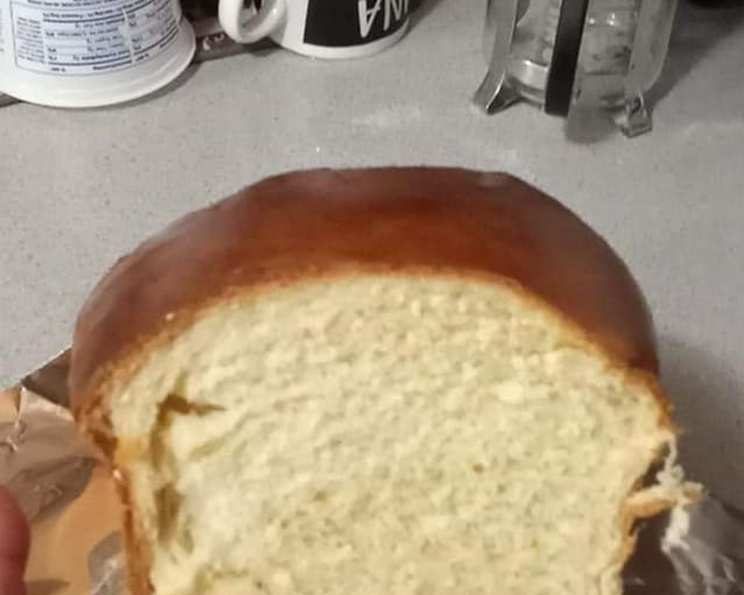
Portuguese Sweet Bread (Pão Doce): A Taste of Childhood
The aroma alone transports me back to my grandmother’s kitchen, a warm, inviting space filled with the comforting sounds of sizzling garlic and the gentle hum of her ancient stand mixer. I can still picture her, hands dusted with flour, meticulously kneading the dough for her famous Pão Doce. This bread, a staple at every family gathering, was more than just food; it was a symbol of love, connection, and the enduring strength of our heritage. Each bite was a sweet reminder of laughter, shared stories, and the unbreakable bonds that held us together.
Recipe Overview
- Prep Time: 2 hours
- Cook Time: 35-45 minutes
- Total Time: 4 hours 35 minutes
- Yield: 2 loaves
- Servings: 10-12
- Dietary Type: Not specified
Ingredients
- 2 tablespoons active dry yeast
- 1/4 cup warm water
- 1 cup lukewarm milk (scalded, then cooled)
- 3/4 cup sugar
- 1 teaspoon salt
- 3 eggs
- 1/2 cup butter, softened
- 5-6 cups all-purpose flour
- 1 egg (for glaze)
- 1 teaspoon sugar (for glaze)
Equipment Needed
- Large bowl
- Mixer (optional, but recommended)
- Lightly floured surface
- Greased bowl
- Two 9″ x 1 1/2″ round pans
- Oven
- Pastry brush
Instructions
-
Begin by activating the yeast. In a large bowl, dissolve the active dry yeast in warm water. Let it sit for about 5-10 minutes, or until it becomes foamy. This indicates the yeast is alive and ready to work its magic.
-
Next, add the wet ingredients. Stir in the lukewarm milk (make sure it’s cooled after scalding, as hot milk can kill the yeast), 3/4 cup sugar, 3 eggs, salt, and softened butter to the yeast mixture.
-
Incorporate the flour gradually. Add 3 cups of all-purpose flour to the wet ingredients and beat until smooth. You can use a stand mixer with a dough hook or mix by hand.
-
Continue adding flour until a dough forms. Stir in enough of the remaining flour to make the dough easy to handle. You might not need all 6 cups; add it gradually until the dough pulls away from the sides of the bowl.
-
Knead the dough. Turn the dough out onto a lightly floured surface and knead until it becomes smooth and elastic, about 5 minutes. This develops the gluten, giving the bread its characteristic texture.
-
First rise. Place the kneaded dough in a greased bowl, turning to coat. Let rise in a warm place until it doubles in size, about 1 to 1 1/2 hours. Covering the bowl with plastic wrap or a damp cloth can help keep the dough from drying out.
-
Punch down and divide. Once the dough has doubled, punch it down to release the air. Divide the dough in half.
-
Shape the loaves. Shape each half into a round, slightly flattened loaf.
-
Second rise. Place each loaf into a well-greased 9″ x 1 1/2″ round pan. Cover and let rise until doubled again, about an hour.
-
Preheat and prepare for baking. While the loaves are rising for the second time, preheat the oven to 350°F (175°C). In a small bowl, beat 1 egg for the glaze.
-
Glaze and bake. Brush the tops of the loaves with the beaten egg and sprinkle with 1 teaspoon of sugar per loaf. Bake for 35-45 minutes, or until the loaves are golden brown. A toothpick inserted into the center should come out clean.
-
Cool and serve. Let the loaves cool in the pans for a few minutes before transferring them to a wire rack to cool completely.
Expert Tips & Tricks
- Temperature is key: Ensure the milk and water are lukewarm, not hot, to avoid killing the yeast.
- Don’t over-knead: Over-kneading can result in a tough bread. Knead until the dough is smooth and elastic, but not excessively.
- Proper proofing: A warm, humid environment is ideal for proofing. Place the dough in a slightly warmed oven (turned off!) or near a sunny window.
- Check for doneness: If the tops of the loaves are browning too quickly, tent them with foil during the last 15 minutes of baking.
- Soft butter is crucial: Ensure that your butter is truly softened; this will greatly affect the final texture.
Serving & Storage Suggestions
Pão Doce is best enjoyed warm, either on its own or with a smear of butter. It pairs perfectly with a cup of coffee or tea. For a truly Portuguese experience, try it with a strong espresso.
To store, wrap the bread tightly in plastic wrap or place it in an airtight container. It will last for 2-3 days at room temperature, up to a week in the refrigerator, or can be frozen for up to 2 months. To reheat, wrap in foil and warm in a 350°F (175°C) oven for 10-15 minutes, or until heated through. You can also microwave slices for a quick warm-up.
Nutritional Information
| Nutrient | Amount per Serving | % Daily Value (Approximate) |
|---|---|---|
| Calories | 420 | 21% |
| Total Fat | 12.8g | 16% |
| Saturated Fat | 7.1g | 36% |
| Cholesterol | 102mg | 34% |
| Sodium | 357mg | 15% |
| Total Carbohydrate | 65.4g | 24% |
| Dietary Fiber | 2.3g | 8% |
| Sugars | 15.6g | N/A |
| Protein | 10.8g | 22% |
Note: Nutritional information is an estimate and may vary based on specific ingredients and serving size.
Variations & Substitutions
- Citrus zest: Add the zest of one orange or lemon to the dough for a brighter flavor.
- Spice it up: Incorporate a pinch of ground cinnamon or nutmeg for a warm, comforting twist.
- Sweet potato: Mix in 1/2 cup of mashed sweet potato for a slightly sweet and moist bread.
- Vegan Pão Doce: Substitute the butter with a vegan butter alternative, the milk with a non-dairy milk like almond or soy milk, and use a flax egg (1 tbsp flaxseed meal mixed with 3 tbsp water) in place of the chicken eggs.
- Gluten-Free: Replace the all-purpose flour with a high-quality gluten-free all-purpose flour blend. You may need to adjust the amount of liquid depending on the blend.
FAQs (Frequently Asked Questions)
Q: Why is my dough not rising?
A: Several factors can affect rising. Make sure your yeast is fresh, the water/milk isn’t too hot (which can kill the yeast), and the environment is warm enough.
Q: Can I make the dough ahead of time?
A: Yes, you can prepare the dough, let it rise once, then refrigerate it overnight. Allow it to come to room temperature before shaping and baking.
Q: How do I prevent the bread from drying out?
A: Store the bread in an airtight container or wrapped tightly in plastic wrap. Avoid overbaking it, and consider brushing it with melted butter after baking for added moisture.
Q: Can I freeze this bread?
A: Absolutely! Wrap the cooled bread tightly in plastic wrap, then foil, and freeze for up to 2 months. Thaw completely before reheating.
Q: What if I don’t have active dry yeast?
A: You can substitute with instant yeast, but you may not need to proof it in water first. Add it directly to the dry ingredients.
Final Thoughts
This Pão Doce recipe is more than just a set of instructions; it’s an invitation to connect with tradition, create cherished memories, and experience the simple joy of baking. Don’t be intimidated by the process – embrace the imperfections, experiment with flavors, and most importantly, have fun! I encourage you to try this recipe, share it with your loved ones, and savor the delightful taste of Portuguese heritage. Enjoy a slice warm with a dusting of powdered sugar or a simple pat of butter. And please, share your experiences and any creative twists you add along the way! Bom apetite!