
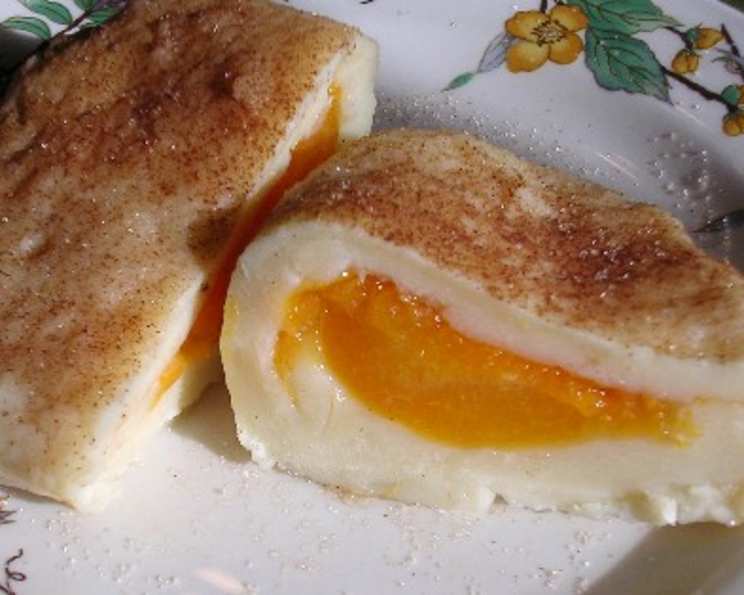
Potato Apricot Dumplings: A Czech Delight
The aroma of simmering dumplings always takes me back to my grandmother’s kitchen. I remember watching her, a whirlwind of flour and focused energy, as she crafted these delicate parcels. Although her version featured plums, the sweet and tangy dance of fruit nestled in a pillowy potato dough is a flavor memory etched in my heart. These Potato Apricot Dumplings, hailing from the Czech Republic, offer a similar comforting embrace, a testament to the timeless appeal of simple, honest ingredients transformed into something truly special.
Recipe Overview
- Prep Time: 20 minutes
- Cook Time: 35 minutes (including chilling time)
- Total Time: 55 minutes
- Servings: 6
- Yield: 12 dumplings
- Dietary Type: Vegetarian
Ingredients
- 7 medium potatoes
- 2 large eggs, slightly beaten
- Salt and pepper to taste
- 3 cups unbleached all-purpose flour, plus more for dusting
- 1 teaspoon baking powder
- 12 small apricots, halved and pitted
- 12 teaspoons lumps of sugar (or 1/2 teaspoon granulated sugar per apricot)
- 1/2 cup butter, melted (optional)
Equipment Needed
- Large pot
- Potato ricer or grater
- Large mixing bowl
- Slotted spoon
- Platter
Instructions
- Begin by preparing the potatoes. Place them in a large pot of water and bring to a boil. Cook until tender, about 15-20 minutes. Drain the potatoes thoroughly and refrigerate for at least 12 hours, or preferably overnight. This step is crucial as it allows the potatoes to dry out, resulting in a less sticky dough.
- Once the potatoes are thoroughly chilled, peel them and grate or rice them into a large bowl. Using a ricer will produce the lightest, fluffiest dumplings.
- Add the slightly beaten eggs, salt, pepper, flour, and baking powder to the bowl with the grated potatoes.
- Knead the dough until it comes together and is firm but still pliable. Be careful not to overwork the dough, as this can make the dumplings tough. If the dough is too sticky, add a little more flour, a tablespoon at a time, until it reaches the desired consistency. Set the dough aside briefly.
- Prepare the apricots. If using fresh apricots, halve them and remove the pits. Place a lump of sugar (or 1/2 teaspoon granulated sugar) where the pit was. The sugar will caramelize slightly during cooking, adding a delicious sweetness to the filling.
- Divide the potato dough into 12 equal pieces.
- Take one piece of dough and flatten it slightly in the palm of your hand. Place an apricot half, sugar-side up, in the center of the dough. Carefully wrap the dough firmly around the apricot, ensuring that the edges are well sealed. This is important to prevent the filling from leaking out during cooking. Repeat with the remaining dough and apricots.
- Bring 4-6 quarts of water to a rolling boil in a large pot. Gently drop the dumplings into the boiling water, being careful not to overcrowd the pot. Work in batches if necessary.
- Cook the dumplings for 15-20 minutes, or until they float to the surface and are cooked through. The dough should be tender and the apricots soft.
- Use a slotted spoon to remove the dumplings from the water and transfer them to a platter.
- If desired, sprinkle the dumplings with melted butter before serving. This adds a lovely richness and shine.
Expert Tips & Tricks
- Potato Choice: Use starchy potatoes like Russets or Yukon Golds for the best texture. Waxy potatoes tend to make the dough too sticky.
- Chilling is Key: Don’t skip the chilling step for the potatoes! This is crucial for achieving the right dough consistency.
- Dough Consistency: The dough should be firm but pliable. If it’s too sticky, add flour gradually. If it’s too dry, add a teaspoon of water at a time until it comes together.
- Sealing the Dumplings: Ensure the dumplings are well sealed to prevent the filling from leaking out during cooking. Pinch the edges firmly to create a secure seal.
- Cooking in Batches: Avoid overcrowding the pot when cooking the dumplings. Cook them in batches to ensure they cook evenly.
- Test for Doneness: To check if the dumplings are cooked through, remove one from the pot and cut it open. The dough should be cooked through and not doughy in the center.
Serving & Storage Suggestions
These Potato Apricot Dumplings are best served warm, immediately after cooking. They can be enjoyed as a main course or a side dish. A simple sprinkling of melted butter is a classic accompaniment, but you can also serve them with a dollop of sour cream or a dusting of powdered sugar.
Leftover dumplings can be stored in an airtight container in the refrigerator for up to 3 days. To reheat, gently pan-fry them in butter until heated through, or steam them until warm. You can also freeze the cooked dumplings for up to 2 months. To freeze, spread them out on a baking sheet and freeze until solid. Then, transfer them to a freezer bag or container. Reheat them directly from frozen by simmering them in water or steaming them.
Nutritional Information
| Nutrient | Amount per Serving | % Daily Value |
|---|---|---|
| Calories | 450 kcal | 23% |
| Total Fat | 12g | 18% |
| Saturated Fat | 7g | 35% |
| Cholesterol | 80mg | 27% |
| Sodium | 150mg | 7% |
| Total Carbohydrate | 75g | 25% |
| Dietary Fiber | 5g | 20% |
| Sugars | 15g | |
| Protein | 10g | 20% |
Note: Nutritional information is an estimate and may vary based on specific ingredients and preparation methods.
Variations & Substitutions
- Other Fruits: Feel free to experiment with other fruits, such as plums, peaches, or cherries. Just make sure the fruit is firm enough to hold its shape during cooking.
- Sweet Filling: Instead of a lump of sugar, you can use a small piece of chocolate or a spoonful of jam for the filling.
- Gluten-Free: To make gluten-free dumplings, use a gluten-free all-purpose flour blend instead of regular flour. You may need to adjust the amount of liquid to achieve the right dough consistency.
- Dairy-Free: Omit the butter or substitute it with a dairy-free alternative, such as olive oil or coconut oil.
- Savory Version: For a savory twist, omit the sugar and add herbs and spices to the dough, such as thyme, rosemary, or garlic powder. Fill with cheese or cooked vegetables.
FAQs (Frequently Asked Questions)
Q: Why are my potato dumplings sticky?
A: The most common reason for sticky potato dumplings is too much moisture. Make sure to use starchy potatoes, chill them thoroughly after boiling, and avoid overworking the dough. Adding a bit more flour can also help.
Q: Can I use frozen apricots?
A: While fresh apricots are ideal, you can use frozen apricots in a pinch. Be sure to thaw them completely and pat them dry before using them to prevent excess moisture in the dumplings.
Q: How do I prevent the dumplings from sticking to the bottom of the pot?
A: Make sure the water is at a rolling boil before adding the dumplings. Stir them gently after adding them to the pot to prevent them from sticking together or to the bottom.
Q: Can I make the dough ahead of time?
A: Yes, you can make the dough ahead of time and store it in the refrigerator for up to 24 hours. Wrap it tightly in plastic wrap to prevent it from drying out.
Q: What’s the best way to reheat leftover dumplings?
A: The best way to reheat leftover dumplings is to gently pan-fry them in butter until heated through and slightly browned. You can also steam them until warm.
Final Thoughts
I hope you’ll embark on this culinary adventure and create your own batch of Potato Apricot Dumplings. They are surprisingly simple to make and incredibly rewarding to eat. Don’t be afraid to experiment with different fillings and toppings to create your own signature version. As you savor each bite, may these dumplings bring you a taste of Czech tradition and a warm, comforting feeling reminiscent of cherished family memories. Share your creations and feedback – I’d love to hear about your culinary journey!