
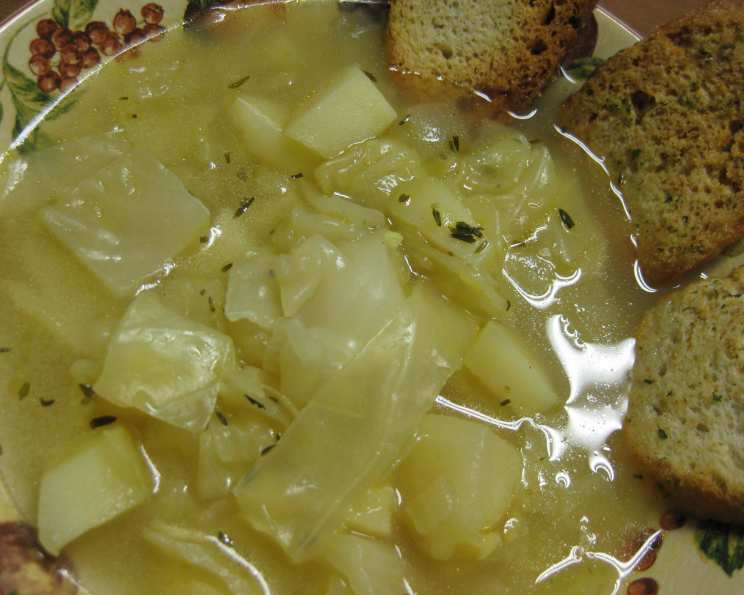
Hearty Potato Cabbage Soup: A Taste of Simple Comfort
I can still remember the aroma that would fill our tiny kitchen every fall. It was the smell of my grandmother’s potato cabbage soup, a humble dish that somehow managed to warm us from the inside out, chasing away the autumn chill. The simple ingredients, simmered to perfection, created a symphony of flavors that spoke of home, family, and the enduring power of a good, honest meal. This recipe is my attempt to capture that feeling and share it with you.
Recipe Overview
- Prep Time: 15 minutes
- Cook Time: 25 minutes
- Total Time: 40 minutes
- Servings: 8
- Dietary Type: Vegetarian
Ingredients
- 1 large onion, chopped
- 2 tablespoons butter
- 10 cups water
- 6 cups chopped cabbage
- 4 cups diced potatoes
- 4 tablespoons chicken bouillon (for a vegetarian option, use vegetable bouillon)
- 1 tablespoon minced garlic
- 1⁄2 teaspoon pepper
- 1⁄2 teaspoon thyme
- 1⁄8 teaspoon marjoram
- 1⁄8 teaspoon celery seed
Equipment Needed
- Large pot or Dutch oven
- Knife
- Cutting board
- Measuring cups and spoons
Instructions
-
In a large pot or Dutch oven, sauté the chopped onion in butter over medium heat until the onion is tender and translucent. This usually takes about 5-7 minutes. Be careful not to burn the butter; reduce the heat if necessary. The softened onion is the aromatic base of your soup, so don’t rush this step.
-
Add the remaining ingredients: water, chopped cabbage, diced potatoes, chicken bouillon (or vegetable bouillon), minced garlic, pepper, thyme, marjoram, and celery seed.
-
Bring the mixture to a boil, then reduce the heat to low.
-
Cover the pot and simmer for 25 minutes, or until the potatoes are tender and the cabbage is softened. The simmering time might vary slightly depending on the size of your potato dice and the type of cabbage you use.
-
Taste and adjust seasoning as needed. You may want to add a pinch more salt (especially if using vegetable bouillon, which can be less salty than chicken bouillon) or pepper to your liking.
Expert Tips & Tricks
- Get the Aromatics Right: Don’t skimp on sautéing the onions. A well-sautéed onion provides a depth of flavor that is essential to the soup’s overall taste.
- Use Good Quality Bouillon: The bouillon is a key flavor component. Opt for a high-quality bouillon, or even better, use homemade stock for a richer flavor.
- Don’t Overcook the Cabbage: Overcooked cabbage can become mushy and release a sulfurous smell. Simmering for the specified time should result in perfectly tender cabbage.
- Add Some Heat: For a spicier soup, add a pinch of red pepper flakes along with the other spices.
- Thicken the Soup (Optional): If you prefer a thicker soup, you can mash a portion of the potatoes with a fork or potato masher before serving. Alternatively, you can whisk together a tablespoon of cornstarch with two tablespoons of cold water and stir it into the simmering soup during the last 5 minutes of cooking.
Serving & Storage Suggestions
This potato cabbage soup is delicious served hot. For a heartier meal, consider adding cooked sausage, ham, or bacon. A dollop of sour cream or plain yogurt can also add a touch of richness. A crusty loaf of bread or some crackers are perfect for soaking up the flavorful broth.
Leftover soup can be stored in an airtight container in the refrigerator for up to 3-4 days. It can also be frozen for up to 2-3 months. To reheat, simply bring the soup to a simmer on the stovetop or microwave until heated through. Frozen soup should be thawed in the refrigerator overnight before reheating.
Nutritional Information
| Nutrient | Amount per Serving | % Daily Value |
|---|---|---|
| Calories | 106 kcal | N/A |
| Calories from Fat | 27 kcal | N/A |
| Total Fat | 3g | 4% |
| Saturated Fat | 1.9g | 9% |
| Cholesterol | 7.6mg | 2% |
| Sodium | 79.4mg | 3% |
| Total Carbohydrate | 18.4g | 6% |
| Dietary Fiber | 3.4g | 13% |
| Sugars | 3.1g | N/A |
| Protein | 2.5g | 5% |
Note: Nutritional information is an estimate and may vary based on specific ingredients and serving sizes.
Variations & Substitutions
- Vegan Potato Cabbage Soup: Replace the butter with olive oil or another plant-based butter alternative. Substitute the chicken bouillon with vegetable bouillon to make a completely vegan dish.
- Add Protein: Incorporate cooked and diced ham, sausage, kielbasa, or bacon for a meatier soup. For a vegetarian protein boost, add cooked lentils or chickpeas.
- Different Vegetables: Experiment with adding other vegetables such as carrots, celery, parsnips, or turnips for added flavor and nutrition.
- Herb Variations: Feel free to adjust the herbs according to your preference. Bay leaf, dill, or parsley can also be added to the soup.
- Spicy Version: Add a pinch of red pepper flakes or a dash of hot sauce for a spicy kick.
- Creamy Soup: For a richer, creamier soup, stir in a splash of heavy cream or half-and-half at the end of cooking (this will affect the dietary type). For a dairy-free option, use coconut milk or cashew cream.
FAQs (Frequently Asked Questions)
Q: Can I use different types of potatoes?
A: Absolutely! Yukon Gold, Russet, or red potatoes all work well in this soup. Just be mindful that different potato varieties may cook at slightly different rates.
Q: Can I make this soup ahead of time?
A: Yes, this soup is a great make-ahead dish. In fact, the flavors often meld together even better after a day or two in the refrigerator.
Q: Can I freeze this soup?
A: Yes, potato cabbage soup freezes well. Allow it to cool completely before transferring it to freezer-safe containers or bags.
Q: What can I serve with this soup?
A: This soup pairs well with crusty bread, crackers, a grilled cheese sandwich, or a side salad.
Q: Is this soup gluten-free?
A: Yes, this recipe is naturally gluten-free, as long as you use gluten-free bouillon.
Final Thoughts
This potato cabbage soup is more than just a recipe; it’s an invitation to create a comforting and nourishing meal that will warm you from the inside out. Whether you’re looking for a simple weeknight dinner or a way to use up leftover vegetables, this soup is sure to please. Don’t be afraid to experiment with different variations and make it your own. I encourage you to try this recipe and share your feedback. Bon appétit!